
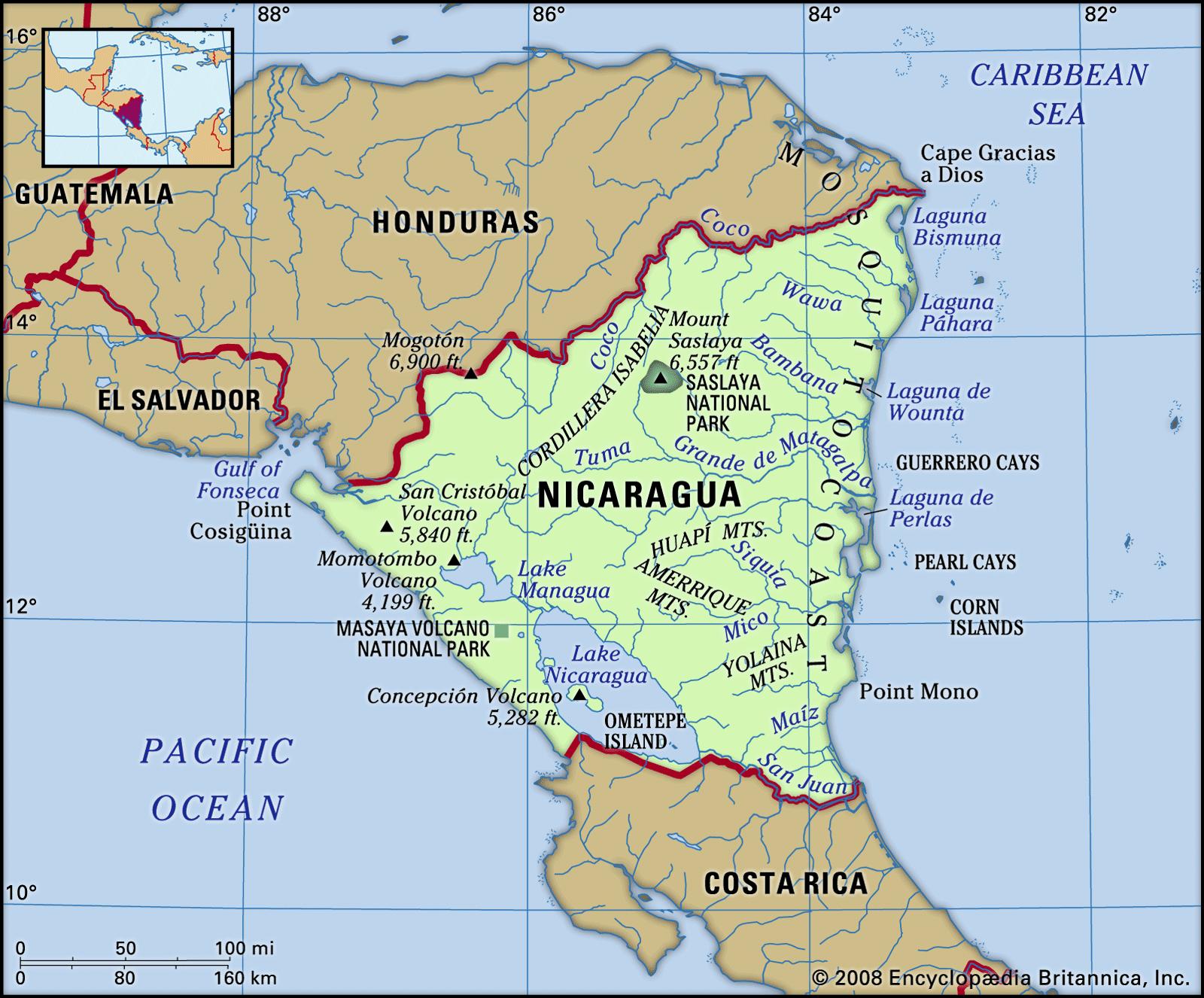
Nicaragua: The Emerging Hub of Russian Propaganda in Central America
In recent years, Nicaragua has increasingly positioned itself as a focal point of Russian influence in Central America, stirring concerns among regional analysts and global observers alike. Under the leadership of President Daniel Ortega, who has nurtured a close relationship with Moscow, the country has become a strategic platform for disseminating Russian narratives and propaganda throughout the region. As Western powers grapple with the implications of this growing partnership, the impact of Russian media operations in Nicaragua raises critical questions about the shaping of public opinion, the erosion of democratic norms, and the potential for increased geopolitical tensions. This article delves into the intricacies of Nicaragua’s role as a propaganda hub, exploring how the collaboration with Russian state media is not just an ideological endeavor but a calculated strategy with far-reaching implications for Central America and beyond.
Nicaragua’s Strategic Role in Amplifying Russian Influence in Central America
Nicaragua has emerged as a pivotal player in the geopolitical landscape of Central America, acting as a bridge for Russian influence in the region. Under the leadership of President Daniel Ortega, the country has fostered a close relationship with Moscow, creating a conducive environment for the dissemination of Russian propaganda and ideology. This collaboration is facilitated through various channels, allowing for the amplification of pro-Russian narratives across Central America. The synergy between Nicaraguan authorities and Russian entities has raised concerns among neighboring countries and the broader international community regarding the implications for regional stability and security.
The strategic posture adopted by Nicaragua encompasses a variety of initiatives aimed at cementing Russian presence in the region. Key elements include:
- Military Cooperation: Nicaraguan military exercises involving Russian troops.
- Media Partnerships: Establishing local outlets that promote Russian viewpoints.
- Economic Ties: Agreements that favor Russian investments in Nicaraguan infrastructure and energy sectors.
- Cultural Exchange: Programs promoting Russian culture to build public goodwill.
By enhancing these ties, Nicaragua not only strengthens its own position but also serves as a catalyst for Russian ambitions in Latin America, potentially reshaping alliances and fostering an environment that favors geopolitical adversaries in the Western hemisphere.
Exploring the Mechanisms of Russian Propaganda in Nicaraguan Media
The intricate relationship between Russian propaganda and Nicaraguan media reveals a systematic approach to influence public opinion and promote geopolitical narratives. Through a combination of strategic broadcasting, social media outreach, and partnership with local media outlets, Russian actors have successfully established a foothold in Central America. The mechanisms employed include:
- State-Controlled Messaging: Utilization of media channels aligned with the Nicaraguan government to disseminate pro-Kremlin narratives.
- Disinformation Campaigns: Spreading false information and conspiracy theories, particularly concerning U.S. foreign policy and interventions.
- Cultural Appeal: Promoting content that resonates with local culture and governance issues, thus gaining trust among audiences.
Moreover, the use of social media platforms has amplified the reach of these messages, allowing them to penetrate deeper into the consciousness of the Nicaraguan populace. Russian-sponsored content often exploits existing societal divisions and dissatisfaction, framing alternative narratives that challenge the mainstream. The effectiveness of this strategy can be illustrated in the following table:
| Campaign Focus | Target Audience | Medium | Impact |
|---|---|---|---|
| Anti-American Sentiment | Urban Youth | Social Media | Increased skepticism towards U.S. influence |
| Support for Local Government | Rural Communities | Radio Broadcasts | Enhanced perception of legitimacy |
| Promoting Russian Culture | General Public | TV Programs | Fostering a favorable view of Russia |
Recommendations for Counteracting Disinformation in the Region
The rise of disinformation in Nicaragua, particularly as a result of Russian propaganda efforts, calls for a multifaceted approach to counteract its influence. Community engagement is essential; grassroots movements that educate the public about recognizing misinformation can significantly reduce its traction. Local leaders and organizations should prioritize workshops and seminars that raise awareness about the signs of propaganda and offer critical thinking skills. Collaboration with digital platforms to improve content moderation policies is also vital, ensuring that misleading narratives do not spread unchecked. Furthermore, fostering an environment of media literacy within schools will equip younger generations with the tools they need to discern credible information from falsehoods.
Another key strategy involves international partnerships to share best practices and resources aimed at combating disinformation. Regional alliances with neighboring Central American countries can create a united front against external propaganda efforts. Establishing a fact-checking network across the region, supported by independent journalists and experts, would help verify claims and disseminate accurate information swiftly. To effectively communicate these initiatives, it is essential to leverage social media platforms-targeted campaigns aimed at debunking false claims can reach a broader audience. Finally, it is critical to involve youth in these efforts, allowing them to take active roles in promoting truth and transparency through creative and engaging content.
Insights and Conclusions
In conclusion, Nicaragua’s increasing role as a hub for Russian propaganda in Central America raises significant concerns about the geopolitical landscape of the region. As Moscow seeks to expand its influence, the country serves as a strategic platform for disseminating narratives that align with Russian interests, challenging democratic values and fostering division. This troubling trend not only impacts local populations but also has broader implications for stability in Central America and the Western Hemisphere. As the situation evolves, it will be crucial for regional governments and international watchdogs to remain vigilant, countering disinformation and promoting transparency to safeguard democratic integrity. The interplay of foreign influence in Nicaragua demands attention and action, underscoring the intricate dynamics of modern geopolitics.











