Nicaragua’s New Volunteer Police Force: A Cause for Concern
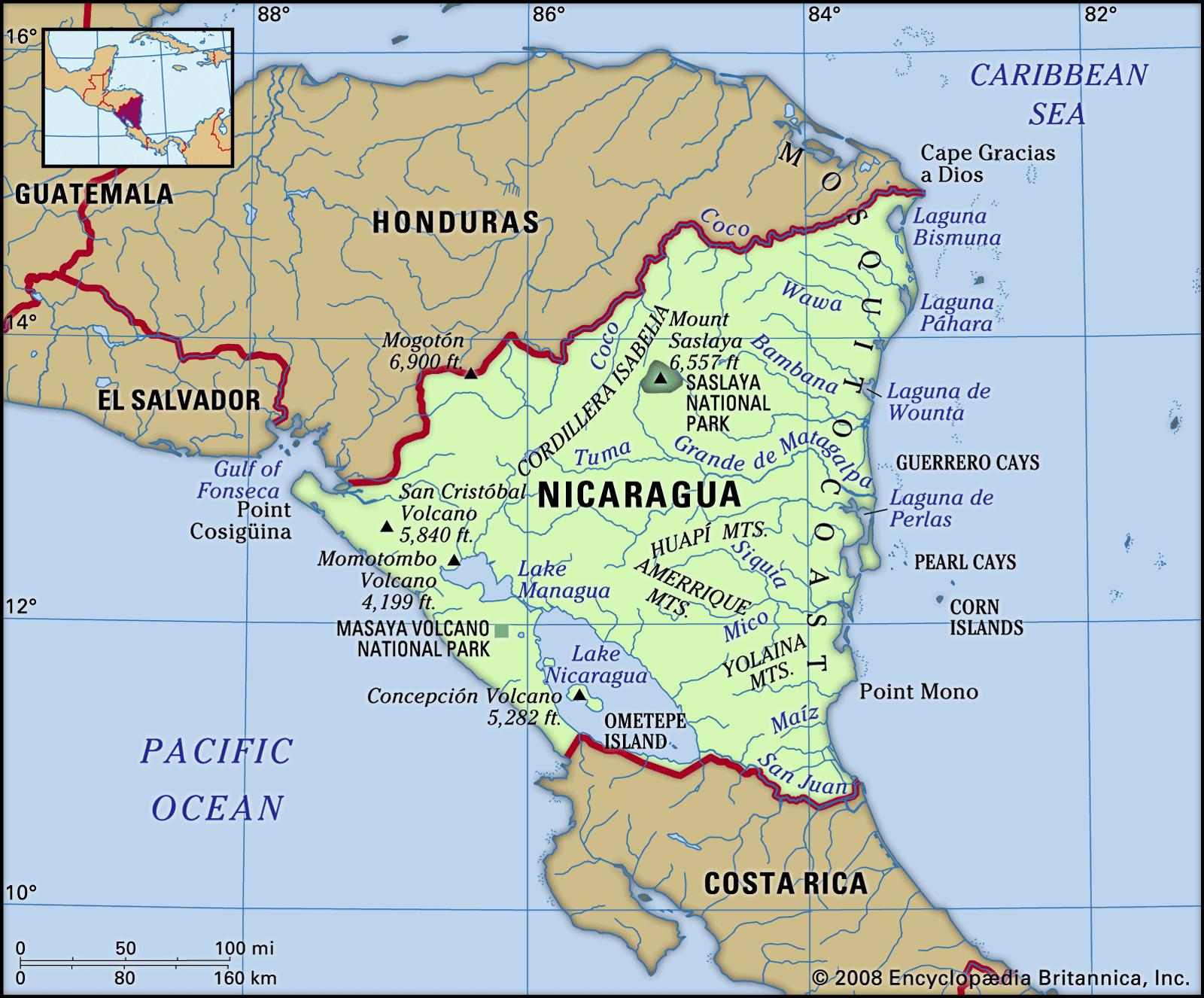
In a move that has sparked significant global attention, Nicaragua has officially inaugurated approximately 30,000 members of a newly established “volunteer police” unit, all wearing distinctive hooded attire. This bold increase in law enforcement comes against the backdrop of ongoing worries regarding human rights violations and the government’s tightening authoritarian control. While the Nicaraguan administration promotes this initiative as a strategy to enhance public safety, it raises serious concerns among human rights advocates and activists who fear it may further institutionalize state violence and stifle dissenting voices. As developments unfold, analysts are scrutinizing not only the potential impact on national stability but also the wider implications for civil liberties within this Central American nation.
Nicaragua’s Volunteer Police Initiative Under Fire for Human Rights Concerns
The recent integration of 30,000 “volunteer police” into Nicaragua’s security apparatus has alarmed human rights defenders both locally and globally. Detractors contend that these individuals often operate without formal training or oversight while frequently donning masks, which heightens the risk of abuse and infringement on citizens’ rights. Since its launch, there have been increasing allegations of intimidation tactics and unwarranted aggression directed at opposition factions, prompting calls from human rights organizations for urgent investigations and accountability measures.
The ambiguity surrounding these volunteer officers is especially troubling. Reports indicate occurrences such as:
- Extrajudicial arrests along with illegal searches that disregard due process.
- Targeted harassment against those critical of government policies.
- Aggressive force usage during peaceful protests.
This wave of criticism is exacerbated by Nicaragua’s historical context marked by repression; where governmental responses to dissent have frequently leaned towards authoritarianism. As demands for reform intensify, civil society groups are urging both local entities and international organizations to closely monitor developments while advocating for basic human rights amidst expanding state-sanctioned policing initiatives.
The Impact of Hooded Forces on Nicaragua’s Political Landscape
The recent induction of 30,000 volunteer police forces—often referred to as “hooded units”—has heightened fears regarding how the government manages order amid persistent political turmoil. This controversial group operates largely in a paramilitary fashion and faces accusations related to human rights abuses alongside excessive force request.Their masked appearance allows them to evade accountability while engaging in actions perceived as intimidating toward opposition groups and suppressing dissenting opinions. The government’s backing raises critical questions about legitimizing state-sponsored violence alongside diminishing democratic principles.
Civil society organizations along with various human rights groups have expressed their deep concerns over an observable trend towards increased governmental oppression facilitated by these hooded forces. Reports suggest that their presence fosters an atmosphere rife with fear among citizens who may hesitate to participate openly in public discussions or protests due to potential repercussions from these units’ operations which include:
- Pursuit of activists: Specifically targeting individuals opposing government narratives.
- Dismantling peaceful protests: Actively confronting nonviolent demonstrations with hostility.
- No due process detentions: Arresting individuals arbitrarily without legal justification.
The international community remains vigilant regarding Nicaragua’s evolving political dynamics; thus far raising significant concerns about how this militarization affects rule-of-law principles alongside civil liberties within society already grappling with division and unrest.
Strategies for International Oversight & Civil Liberties Support in Nicaragua
The inauguration of 30,000 hooded volunteer police officers has raised pressing issues concerning human rights violations; therefore it is crucial that global stakeholders enhance oversight mechanisms while supporting civil liberties across the region.
Key players such as United Nations agencies along with regional bodies must adopt complete strategies aimed at ensuring clarity coupled with accountability through initiatives like:
- Status Monitoring Missions:Create ground-level missions tasked specifically with evaluating how these volunteer officers affect civil liberties across communities.
- Reporting Channels : Establish user-kind platforms enabling citizens report abuses safely without fearing retaliation.
- Diplomatic Engagement : Maintain ongoing dialogues between Nicaraguan authorities promoting adherence towards recognized international standards .
Additonally , providing financial assistance targeted at empowering autonomous Nicaraguan NGOs can counterbalance state actions effectively . By nurturing robust civic engagement , grassroots advocacy efforts can flourish exponentially . Consider implementing strategies such as :
Approach Expected Outcome
Grant Opportunities Strengthen local NGOs focused on safeguarding individual freedoms . Training Initiatives Equip activists proficiently navigate advocacy landscapes including legal frameworks . Awareness Campaigns Amplify visibility around challenges faced by Nicaraguans internationally . Final Thoughts
The swearing-in ceremony involving 30k masked “volunteer policemen� signifies an alarming shift within President Daniel Ortega’s consolidation efforts amidst rising apprehensions surrounding fundamental freedoms.The administration presents this initiative under pretexts aimed at enhancing public safety ; though critics argue it reflects deeper trends toward militarization coupled repression against dissidents.As scrutiny mounts from abroad , implications concerning personal freedoms remain pivotal focal points drawing attention both domestically & globally.With escalating tensions ahead , forthcoming months will prove crucial determining governance trajectories impacting citizen autonomy throughout this complex juncture shaping history.Nicaragua stands poised under watchful eyes navigating uncertain waters ahead.
ADVERTISEMENTTravelers Trapped in Paradise: How a US Military Operation is Shaking Up Airline Schedules
Travelers in the Caribbean are facing unexpected challenges due to a US military operation, prompting airlines to quickly adjust their...
Read more
- Diplomatic Engagement : Maintain ongoing dialogues between Nicaraguan authorities promoting adherence towards recognized international standards .