
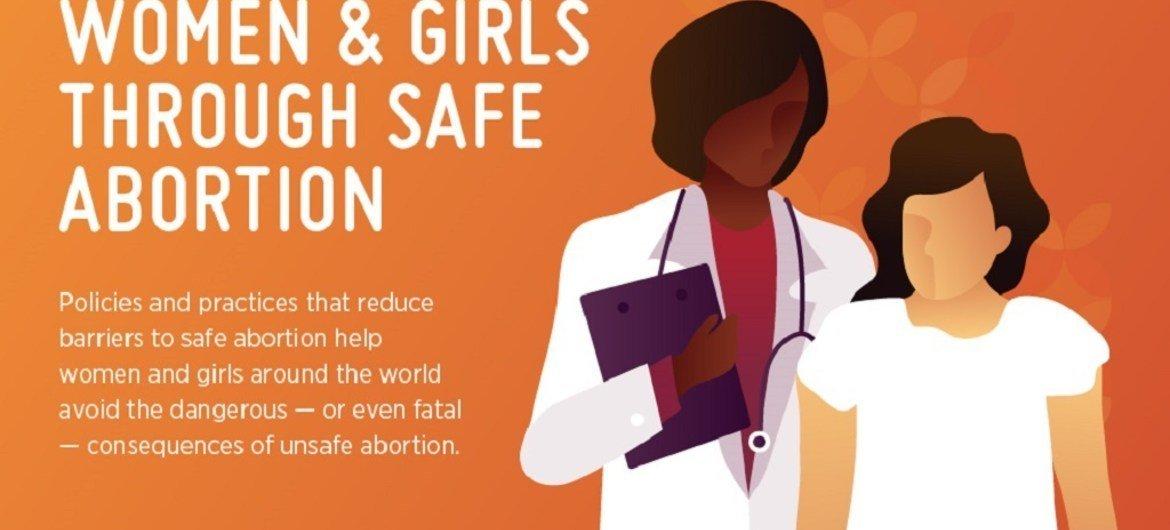
In a landmark decision with far-reaching implications, the United Nations has delivered a crucial ruling on the issue of abortion in Ecuador and Nicaragua, countries where restrictive laws have long endangered the health and rights of women. This ruling not only challenges existing legal frameworks but also sets a precedent in international human rights discourse. As global calls for reproductive justice gain momentum, the UN’s stance could influence policy changes beyond Latin America, igniting debates in regions where abortion remains a contentious issue. This article explores the nuances of the UN’s ruling, its impact on women in Ecuador and Nicaragua, and the potential ripple effect on reproductive rights conversations across the globe.
UN Ruling on Abortion in Ecuador and Nicaragua: Implications for Global Reproductive Rights
The recent ruling by the United Nations regarding abortion laws in Ecuador and Nicaragua has sparked discussions worldwide about the importance of reproductive rights. This landmark decision underscores the international community’s growing acknowledgment that access to safe and legal abortion is a fundamental human right. The ruling specifically highlights the need for governments to dismantle barriers that prevent individuals from exercising autonomy over their bodies. It calls upon nations to implement comprehensive laws that protect reproductive rights and improve healthcare services for women and people of diverse gender identities. As countries worldwide grapple with their own abortion laws, this ruling serves as a pivotal reference point for activists and policymakers alike.
As the implications of this ruling unfold, several key factors emerge that may influence the global landscape of reproductive rights:
- Increased Advocacy: Enhanced efforts by reproductive rights organizations to mobilize support and challenge restrictive laws.
- Legal Precedents: The ruling could inspire similar decisions in other jurisdictions, promoting legislative reforms.
- International Pressure: Enhanced scrutiny from global bodies on nations with stringent abortion laws, prompting discussions on human rights obligations.
- Global Solidarity: A unified front among countries advocating for women’s rights, fostering international collaboration.
To further illustrate the impact of this UN ruling, consider the following table, which outlines the current state of abortion laws in selected Latin American countries:
| Country | Abortion Status | Legal Framework |
|---|---|---|
| Ecuador | Legal under certain conditions | Revised in 2021, allows abortion in cases of rape and serious health risks |
| Nicaragua | Strictly illegal | Complete prohibition, even in cases of rape or health risks |
| Argentina | Legal | Decriminalized abortion up to 14 weeks in 2020 |
| Mexico | Varies by state | Legal in some states under varying conditions |
This ruling not only has the potential to reshape policies in these nations but also serves as an important reminder of the ongoing struggle for reproductive rights globally. As the conversation evolves, it becomes clear that the fight for safe and legal abortion extends beyond borders
and requires concerted efforts from individuals, organizations, and governments alike. The UN’s bold stance on reproductive rights shines a spotlight on the disparities in access to safe abortion services and underscores the need for a unified approach to address these issues.
As we navigate the evolving landscape of reproductive rights, here are some additional reflections on the potential consequences of the UN ruling:
- Cultural Shifts: The ruling may catalyze a cultural shift within societies where strict abortion laws prevail. Increased public discourse and highlighting of women’s rights could lead to greater acceptance and understanding of reproductive autonomy.
- Education and Awareness: With the international community taking a firmer stance on reproductive rights, there might be increased funding and support for educational campaigns about sexual and reproductive health, emphasizing informed choices.
- Support Networks: Advocacy for safe and legal abortion can lead to the establishment of more support networks for individuals facing unplanned pregnancies, ensuring they have access to the necessary resources and information.
Overall, this recent ruling is a significant step toward advancing reproductive rights. It invites not only legal reforms but also a reevaluation of societal attitudes toward women’s health and autonomy. As communities rally together across borders, the hope is to create a safer, more equitable world for all individuals to have control over their reproductive choices. The fight for reproductive rights may be complex and multifaceted, but it is essential in the pursuit of justice and equality for marginalized populations.
Understanding the Legal and Ethical Landscape: What This Means for Women’s Health Worldwide
The recent UN ruling on abortion in Ecuador and Nicaragua underscores critical shifts in the legal and ethical framework surrounding women’s health, not just in Latin America, but globally. Countries with restrictive abortion laws often face high rates of maternal mortality and morbidity. As this ruling advocates for a woman’s right to make decisions about her body, it resonates with broader movements aimed at enshrining reproductive rights into law. This call for progress encourages countries to reevaluate their laws to reflect respect for women’s autonomy and well-being. The implications of this ruling can lead to significant changes in how healthcare systems prioritize and implement women’s health services.
In the wake of this landmark decision, several key factors emerge that could influence international responses to women’s health issues:
- Increased Advocacy: Activists and NGOs may gain momentum in their efforts to push for legal reforms in countries with stringent abortion laws.
- Policy Reforms: Countries might be prompted to consider legislative changes that better align with human rights standards and public health goals.
- Global Collaboration: Nations might engage in knowledge-sharing regarding best practices in maternal healthcare, informed by more permissive legal environments.
To illustrate the disparity in women’s health outcomes related to abortion access, the following table summarizes maternal mortality rates in select countries with varying abortion laws:
| Country | Abortion Law Status | Maternity Mortality Rate (per 100,000 live births) |
|---|---|---|
| Ecuador | Abortion permitted under certain circumstances | 48 |
| Nicaragua | Abortion completely banned | 110 |
| United States | Legal, but varying access | 23 |
| Sweden | Legal and accessible | 4 |
These figures reflect the stark reality that access to safe and legal abortion is a crucial component of comprehensive healthcare. As the global community responds to the implications of the UN ruling, there is an opportunity to reshape the conversation around women’s health, emphasizing the necessity for ethical practices that prioritize the rights and health of women everywhere.
Recommendations for Policymakers: Supporting Reproductive Rights in the Wake of the UN’s Decision
In light of the recent UN ruling affirming the necessity to protect reproductive rights in Ecuador and Nicaragua, it is imperative for policymakers across the globe to take proactive measures to support and enhance access to reproductive healthcare. Key recommendations include:
- Legislative Frameworks: Develop comprehensive laws that safeguard reproductive rights, ensuring that they are in line with international human rights standards.
- Public Awareness Campaigns: Implement educational initiatives to inform citizens about their reproductive rights and available healthcare options.
- Quality Healthcare Access: Increase funding for healthcare services to improve access and affordability for all individuals, particularly marginalized communities.
Furthermore, it is crucial for nations to collaborate and share best practices on reproductive health policies. Establishing international coalitions can facilitate this exchange and promote a unified approach to reproductive rights. A table summarizing these global efforts could prove beneficial:
| Action | Expected Outcome |
|---|---|
| Form International Coalitions | Enhanced collaboration on reproductive rights |
| Conduct Global Workshops | Sharing best practices among policymakers |
| Develop Cross-National Research | Data-driven policies based on evidence |
Concluding Remarks
As the dust settles on the United Nations’ landmark ruling regarding abortion laws in Ecuador and Nicaragua, the implications of this decision extend far beyond the borders of these two nations. The UN’s stance represents a significant step in the global conversation around reproductive rights, underscoring the pressing need for comprehensive access to safe and legal abortion services.
For countries grappling with restrictive abortion laws, this ruling serves as both a benchmark and a rallying cry for advocates of women’s health and autonomy. The UN’s intervention highlights the necessity of aligning national policies with international human rights standards, emphasizing that access to reproductive health care is not merely a local issue, but a fundamental right that deserves universal protection.
As the world watches how Ecuador and Nicaragua respond to this ruling, the outcomes could set precedent for similar cases in other nations. Advocates hope this will inspire a global movement towards decriminalizing abortion and ensuring that women’s rights are prioritized in policy-making. The road ahead will undoubtedly be complex, intertwined with cultural, ethical, and political challenges-yet the UN’s directive ignites a renewed commitment to fostering secure environments for women to make autonomous choices about their bodies.
In the coming months and years, the reverberations of this ruling will be keenly observed by nations and activists alike, marking a crucial moment in the ongoing struggle for reproductive rights worldwide. As the dialogue continues, it becomes increasingly clear that the fight for reproductive justice is far from over, and this significant ruling may very well serve as a catalyst for change on a global scale.









