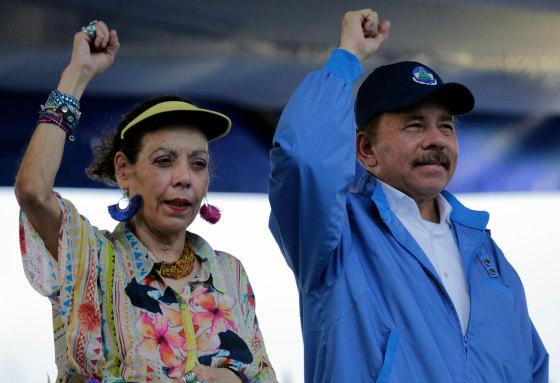
In a significant move aimed at addressing human rights abuses and corruption in Nicaragua, Senator Marco Rubio announced that the U.S. State Department is set to impose restrictions on visas for at least 250 Nicaraguan officials. This development comes in response to ongoing reports of repression and violence against dissenters under the regime of President Daniel Ortega. By targeting high-ranking officials who are implicated in such actions, the U.S. government aims to hold accountable those responsible for undermining democratic principles and violating the rights of Nicaraguans. The decision highlights a continued commitment by U.S. lawmakers to support political reform and protect human rights in Central America amidst a climate of increasing authoritarianism.
Rubio Advocates for Visa Restrictions on Nicaraguan Officials Amid Ongoing Political Crisis
Senator Marco Rubio has emphasized the urgent need for the U.S. State Department to impose visa restrictions on a significant number of Nicaraguan officials in light of the ongoing political unrest in Nicaragua. The proposed restrictions target at least 250 individuals associated with the government of President Daniel Ortega, whom many criticize for undermining democratic processes and human rights violations. Rubio argues that these measures are essential to hold the regime accountable and signal to both the international community and Nicaraguan citizens that oppressive actions will not go unpunished.
As Nicaragua grapples with heightened tensions and civil discontent, the potential visa restrictions are seen as a crucial step in exerting diplomatic pressure on Ortega’s administration. Rubio highlighted the importance of coordinated efforts with key allies to enforce similar measures, thereby increasing their impact. The ramifications of such actions may include:
- Isolation of the Ortega regime
- Support for democratic movements
- Encouragement for international scrutiny
Through these proposed restrictions, advocates hope to not only deter further authoritarianism but also promote a pathway towards a more democratic and transparent governance in Nicaragua.
Implications of State Department’s Visa Policy on U.S.-Nicaragua Relations
The recent announcement by Senator Marco Rubio regarding the State Department’s decision to impose visa restrictions on at least 250 Nicaraguan officials signals a significant shift in U.S. foreign policy towards Nicaragua. This move aims to hold accountable those involved in human rights abuses and undemocratic practices under President Daniel Ortega’s regime. By limiting access to the U.S. for these officials, the Biden administration expresses its commitment to democracy and human rights, adding to a growing list of measures that could impact diplomatic relations and bilateral engagement between the two nations.
Such restrictions not only affect the targeted individuals but also have broader implications for U.S.-Nicaragua relations. The potential for increased isolation of Nicaragua on the international stage may lead to further entrenchment of Ortega’s government and exacerbate tensions within the region. Among the possible effects are:
- Heightened Diplomatic Tensions: The sanctions may provoke a hostile response from the Nicaraguan government, undermining potential avenues for dialogue.
- Impact on Citizens: The restrictions could inadvertently affect ordinary Nicaraguans seeking legitimate reasons to travel to the U.S., such as education and family reunifications.
- Regional Influence: Nicaragua’s alignment with other authoritarian regimes may strengthen as it seeks new allies in the face of U.S. pressure.
Strategies for Supporting Democratic Movements in Nicaragua Following Visa Limitations
As Visa restrictions tighten against Nicaraguan officials, it becomes imperative for both international actors and local activists to recalibrate their strategies to bolster democratic movements within the country. These limitations can be seen as an opportunity to strengthen domestic coalitions and networks, fostering unity among civic groups, opposition parties, and grassroots organizations. Creating platforms for dialogue-between citizens, activists, and the international community-can enhance the visibility of human rights abuses and democratic infringements while galvanizing public support. Additionally, leveraging social media and digital campaigns can amplify local voices, effectively circumventing government censorship and fostering international solidarity.
Beyond online advocacy, strategic partnerships with NGOs and foreign governments committed to democracy promotion are essential. Establishing training programs for local leaders can provide essential tools in civic engagement, advocacy, and self-organization. Consider supporting community-based initiatives that emphasize education on civil rights and nonviolent resistance. Below is a table showcasing potential partnerships focused on strengthening democratic governance in Nicaragua:
| Partner Organization | Focus Area | Potential Contribution |
|---|---|---|
| Human Rights Watch | Legal advocacy | Documenting abuses, providing legal expertise |
| Amnesty International | Civic Engagement | Campaigns for political prisoners and fostering awareness |
| International Republican Institute | Political Training | Workshops on electoral processes and party building |
| Freedom House | Media Support | Resources for independent journalism and expression |
Insights and Conclusions
In conclusion, Senator Marco Rubio’s announcement regarding the State Department’s decision to restrict visas for over 250 Nicaraguan officials marks a significant step in the U.S. government’s ongoing response to human rights abuses and anti-democratic actions in Nicaragua. As the Biden administration faces increasing pressure to hold authoritarian regimes accountable, this policy may serve not only as a warning to those in power in Nicaragua but also as a manifestation of the United States’ commitment to supporting democracy and human rights in the region. The implications of these restrictions will likely resonate throughout Central America, raising questions about the future of U.S.-Nicaragua relations and the broader impact on regional stability. As developments unfold, stakeholders will be closely watching to see how these measures affect the political landscape in Nicaragua and the response from its government.