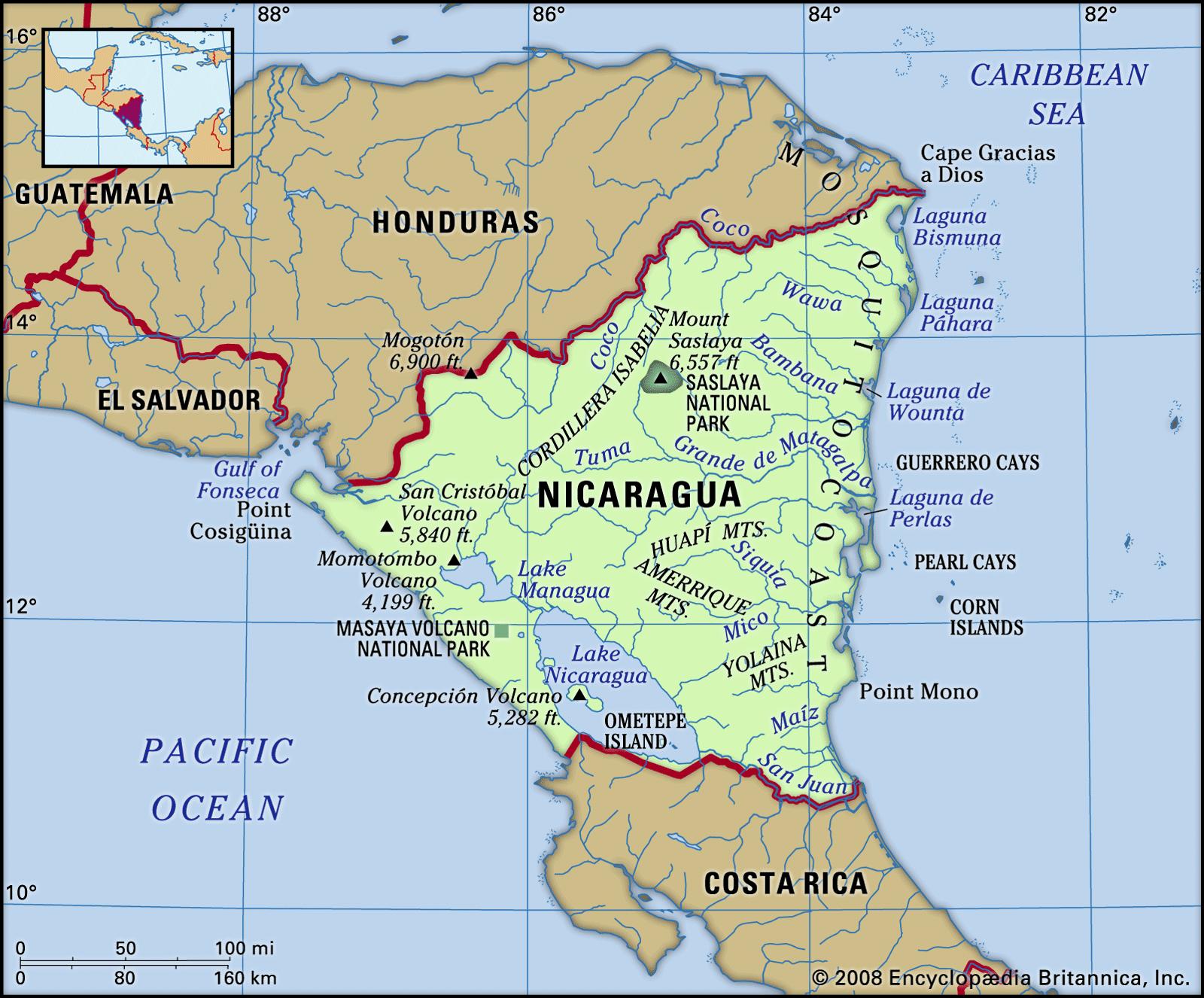
In recent years, Nicaragua has emerged as a focal point of international concern regarding human rights abuses and governance issues. As the country grapples with deep political turmoil, the question of accountability looms large: Can international law intervene effectively to break the cycle of impunity that has long plagued the region? This inquiry gains urgency in light of mounting reports of state-sanctioned violence against dissenters and systematic erosion of democratic institutions. In an era where global norms are tested, the potential role of international legal frameworks and institutions becomes crucial. As Nicaraguans seek justice and demand a reckoning, the international community finds itself at a crossroads-faced with the challenge of translating legal principles into meaningful action. In this article, we explore the complexities of Nicaragua’s situation, assess the mechanisms available under international law, and examine whether they can serve as a catalyst for change amidst a climate of fear and repression.
Nicaragua’s Struggle with Impunity: The Current Legal Landscape
Nicaragua’s legal landscape is suffused with a sense of urgency as the nation grapples with a pervasive culture of impunity, particularly in cases involving human rights violations. Amidst political unrest and government crackdowns, numerous activists, journalists, and opposition figures find themselves ensnared in a web of judicial manipulation. The ruling party’s systematic efforts to undermine the judiciary create an environment where the rule of law is not just questioned but outright disregarded. To better understand this troubling situation, consider the following developments:
- Manipulated Justice System: Many trials lack transparency and fairness, effectively serving the interests of the government rather than justice.
- Intimidation of Legal Professionals: Legal practitioners face threats and harassment, deterring them from acting in the best interest of their clients.
- Victims’ Voices Silenced: A chilling effect has settled over civil society as potential witnesses fear retribution for speaking out.
In this challenging context, international law may pose a crucial counterbalance to Nicaragua’s impunity. The international community has begun to advocate for accountability measures, emphasizing the role of global norms in challenging domestic abuses. Moreover, various international treaties that Nicaragua has ratified, such as the International Covenant on Civil and Political Rights (ICCPR), can be leveraged to hold perpetrators accountable. A few pivotal elements include:
| Element | Description |
|---|---|
| International Scrutiny | Increased attention from global human rights organizations can pressure the Nicaraguan government. |
| Legal Reforms | Implementation of legal frameworks aligned with international standards can provide a pathway to justice. |
| Transnational Advocacy | Collaboration between local and international NGOs is vital to amplify victims’ demands. |
International Legal Mechanisms: Pathways to Accountability in Nicaragua
In the face of escalating human rights violations in Nicaragua, international legal mechanisms have increasingly become essential tools for holding perpetrators accountable. Various jurisdictions and forums can play a critical role in addressing the ongoing crisis. Key instruments include the International Criminal Court (ICC), regional human rights bodies such as the Inter-American Court of Human Rights, and mechanisms established by the United Nations. These entities possess the authority to investigate and adjudicate cases of crimes against humanity, torture, and extrajudicial killings, providing a framework for redress and justice for victims.
Additionally, international advocacy has mobilized around the need for comprehensive sanctions and diplomatic pressure on Nicaragua’s government. By leveraging universal jurisdiction, countries can prosecute individuals suspected of serious crimes, even if those acts occurred outside their borders. Furthermore, collaboration among nations and non-governmental organizations can enhance the effectiveness of these mechanisms. For instance, bolstering the International Commission on Jurists and supporting initiatives like the Nicaragua Accountability Project can amplify the demand for justice and accountability. The pathways outlined above offer hope for breaking the cycle of impunity that has long plagued Nicaragua and for restoring faith in the rule of law.
Recommendations for Strengthening Justice and Human Rights Enforcement in Nicaragua
To address the systemic issues surrounding justice and human rights in Nicaragua, it is crucial for both national and international entities to adopt a multi-faceted approach that prioritizes accountability and victim support. International bodies, such as the United Nations and the Organization of American States, should enhance their monitoring mechanisms to ensure rigorous documentation of human rights abuses. Additionally, strengthening legal frameworks through the adoption of international treaties and conventions can provide a robust basis for legal action against violators. Establishing independent commissions that include a diverse range of stakeholders will also facilitate transparent investigations and foster public trust in the justice system.
Furthermore, nurturing local human rights organizations is essential to empower communities and provide them with the tools needed to advocate for their rights. Training programs that focus on legal literacy and civic education can equip citizens to engage effectively with the justice system. Building partnerships between international NGOs and local advocacy groups can enhance resource sharing and collaborative strategies in the pursuit of justice. A comprehensive strategy should also incorporate a victim-centered approach, ensuring that those affected by human rights violations receive the necessary support and reparations, thereby breaking the cycle of impunity and fostering a culture of accountability.
Insights and Conclusions
In conclusion, the question of whether international law can disrupt the persistent cycle of impunity in Nicaragua remains a pivotal concern for both domestic and global observers. As the nation grapples with political unrest, human rights violations, and a diminishing space for dissent, the comprehensive engagement of international legal frameworks may offer a pathway toward accountability. However, the efficacy of these mechanisms is contingent on a robust response from the international community and a sincere commitment from Nicaraguan authorities. From the findings of international investigations to potential sanctions, every step taken could shape not only Nicaragua’s future but also the broader fight for justice across regions plagued by similar challenges. As the world watches, the stakes are high, and the call for justice has never been more pressing. The question remains: will Nicaragua finally break free from the shackles of impunity, or will the cycle continue? Only time will tell.