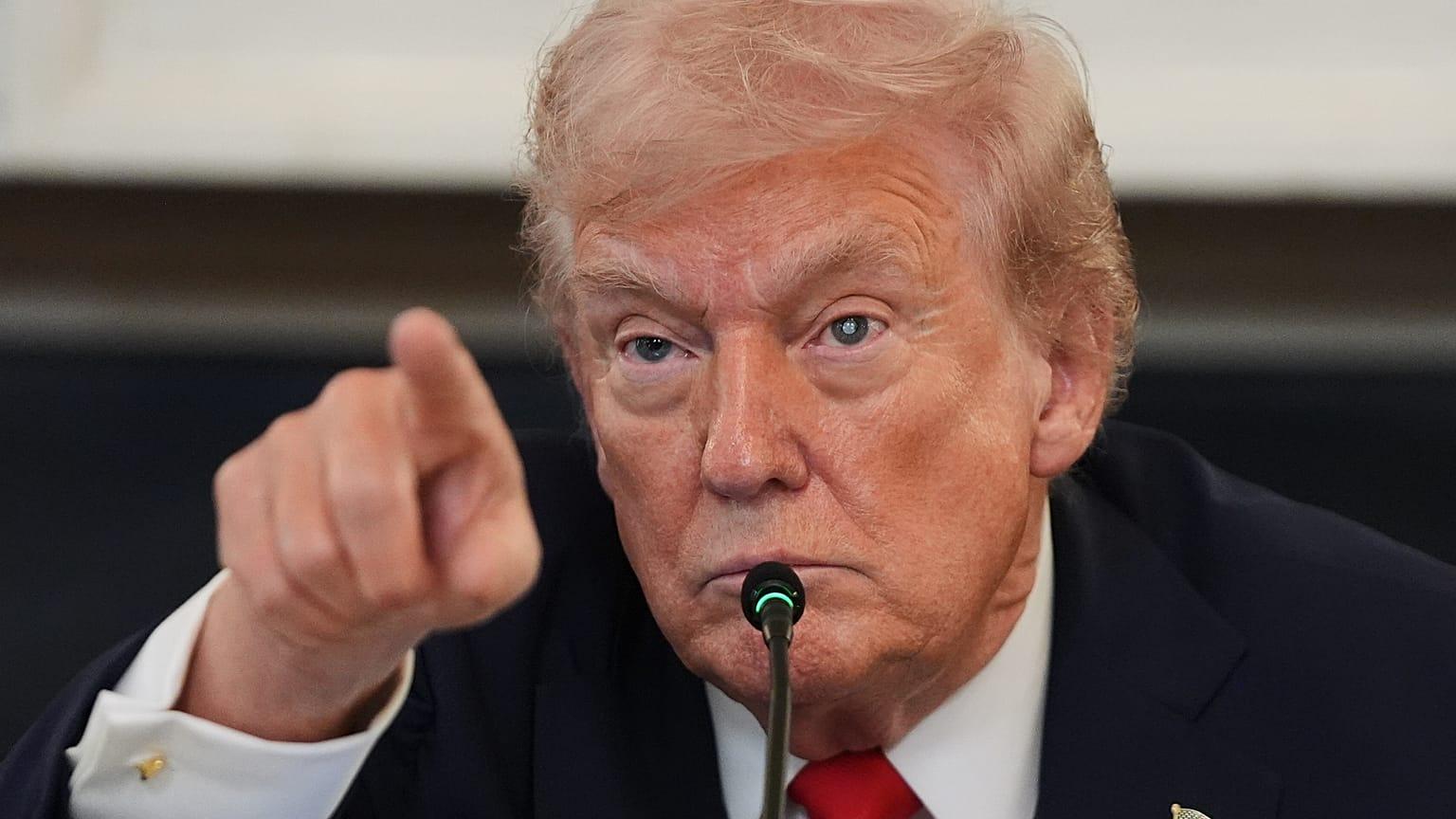
In a significant turn of events that could reshape economic relations in Central America, the Trump administration has announced the imposition of an 18% tariff on Nicaraguan textile and auto harness exports. This decision, reported by Confidencial Nicaragua, is poised to impact thousands of workers in a country where the textile industry is a key driver of economic stability and employment. As Nicaragua grapples with the potential repercussions of these tariffs, industry leaders are raising concerns about the long-term effects on trade, economic growth, and regional cooperation. The tariffs, stemming from a broader push to protect American manufacturers, have ignited debate over their implications for Nicaraguan exporters who rely heavily on the U.S. market. As lawmakers and business stakeholders respond, the unfolding situation presents a critical moment for both nations as they navigate the complexities of international trade policy amidst evolving geopolitical dynamics.
Impact of Trump’s Tariffs on Nicaraguan Textile Industry and Economic Stability
The recent imposition of Trump’s 18% tariffs on imports from Nicaragua is poised to have significant repercussions on the country’s textile and auto harness export sectors. As Nicaragua’s economy heavily relies on these industries, analysts predict a series of challenges that could further destabilize an already delicate economic environment. The tariffs are expected to increase production costs, reduce profit margins, and jeopardize jobs within a sector that employs thousands of Nicaraguans. With U.S. manufacturers facing higher cost structures, there may be a shift towards sourcing materials from other countries that offer more favorable tariff conditions, placing additional pressure on local producers.
In light of these tariffs, key stakeholders in the Nicaraguan textile industry must respond strategically to mitigate adverse effects. Potential strategies could include:
- Exploring new markets outside the U.S. to diversify export destinations
- Enhancing production efficiencies to offset increased costs
- Collaborating with government entities to advocate for trade agreements that could buffer tariff impacts
While the government hopes to buffer the economic fallout, the question remains: will Nicaraguan industries adapt quickly enough to withstand the pressures of the new trade landscape? The coming months will be crucial as businesses navigate this turbulent terrain.
Strategies for Nicaraguan Exporters to Mitigate the Effects of Elevated U.S. Tariffs
Nicaraguan exporters face significant challenges in light of the recently imposed 18% tariffs by the U.S. government on textiles and auto harness products. To navigate this turbulent landscape, it is crucial for exporters to adopt proactive measures that not only cushion the financial blow but also enhance their competitive edge. Diversifying markets is one of the most effective strategies; reaching out to new regions or countries can mitigate over-reliance on the U.S. market. Establishing trade relationships within Central America, Europe, or Asia may provide alternative revenue streams, thereby diluting the impact of tariffs. Additionally, exploring value-added services or products can attract new clientele who are willing to pay a premium, thus maintaining profit margins.
Furthermore, investment in technological advancements can streamline production processes and reduce operational costs, allowing exporters to compete more effectively even with the tariffs in place. By fostering collaborative partnerships with local businesses and international buyers, exporters can also create bundled offerings that enhance attractiveness and underline a commitment to value. Leveraging supply chain efficiencies and optimizing logistics can ensure timely deliveries and cost reductions. As the landscape shifts, firms that remain adaptable and forward-thinking will be best positioned to navigate the tariff-induced challenges while continuing to thrive in the global marketplace.
Future Outlook for Auto Harness Exports and Possible Policy Adjustments in Nicaragua
The recent enactment of an 18% tariff on imports by the Trump administration poses significant challenges for Nicaragua’s textile and auto harness export sectors. As these tariffs rise, manufacturers in Nicaragua are likely to encounter decreased competitiveness in the U.S. market. The textile industry, which relies heavily on exports for revenue, faces substantial pressure to adapt swiftly. Key stakeholders must now consider alternative strategies for maintaining profitability, such as:
- Diversifying Export Markets: Exploring opportunities in other countries or regions to mitigate reliance on the U.S.
- Enhancing Production Efficiency: Implementing cost-cutting measures and optimizing supply chain logistics to maintain margins.
- Investing in Innovation: Adopting new technologies or materials that may reduce production costs.
In light of these challenges, potential policy adjustments by the Nicaraguan government may be necessary to support the affected industries. Policymakers could explore options such as:
- Subsidizing Affected Industries: Offering financial incentives or tax breaks to textiles and auto harness manufacturers.
- Improving Trade Agreements: Seeking to negotiate favorable terms with other trade partners to offset U.S. tariffs.
- Supporting Workforce Development: Investing in skills training for workers to enhance productivity.
| Strategy | Description |
|---|---|
| Diversifying Markets | Identify and enter new markets outside of the U.S. |
| Production Efficiency | Streamlining operations to cut costs. |
| Policy Support | Government incentives to aid struggling sectors. |
In Summary
In conclusion, the implementation of 18% tariffs on Nicaraguan textile and auto harness exports under the Trump administration represents a significant development in international trade relations. As these tariffs take effect, the potential economic ramifications for Nicaragua and its export-driven industries could be profound, affecting local manufacturers, employment rates, and the overall economic landscape. Stakeholders are now faced with the challenge of adapting to this new trade reality while seeking avenues for negotiation and compromise. The evolution of this situation will require close monitoring, as the long-term impacts on both Nicaraguan exports and U.S. trade policy continue to unfold. As the global marketplace reacts to these changes, the ripple effects may be felt far beyond Central America, highlighting the intricate interconnectedness of today’s economies.