
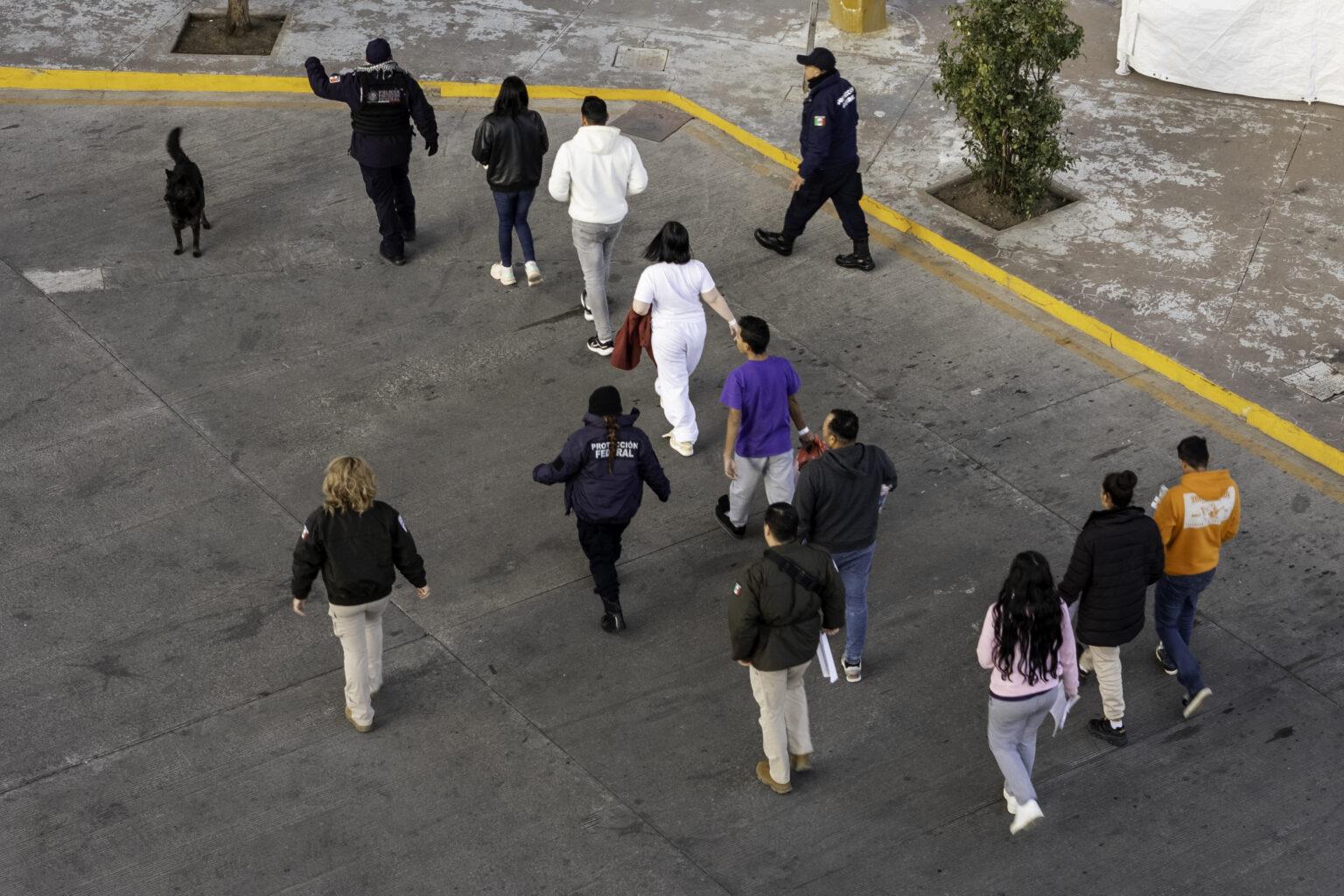
In a significant shift in U.S. immigration policy, the Trump administration has announced an end to deportation protections for thousands of individuals from Honduras and Nicaragua. This decision impacts beneficiaries of Temporary Protected Status (TPS), which had allowed individuals from these Central American nations to remain in the country due to unsafe conditions stemming from natural disasters and political instability. Advocates and affected communities are bracing for the consequences of this policy reversal, fearing the potential for widespread deportations and further destabilization for families already facing uncertainty. As the administration’s stance on immigration continues to evolve, the implications of this decision are likely to reverberate both domestically and across the border regions.
Impact of Policy Shift on Central American Communities
The recent decision to terminate deportation protections for individuals from Honduras and Nicaragua has reverberated throughout Central American communities, sparking widespread concern and unrest. Many families that have relied on Temporary Protected Status (TPS) now face the harsh reality of potential deportation, which could not only disrupt their lives but also place significant burdens on communities already grappling with economic instability. The implications are profound:
- Increased Family Separation: Many residents fear being torn from their families, adding to the emotional and psychological toll on children and relatives.
- Economic Impact: Loss of income from those who are now at risk could lead to increased poverty in communities that depend on their contributions.
- Community Mobilization: Advocacy groups are mobilizing to fight against this policy change, stressing the need for solidarity among immigrant communities.
Local leaders and organizations have expressed urgent calls for action to protect vulnerable populations facing deportation. As the legal and social ramifications unfold, the need for comprehensive immigration reform has never been more evident. The potential consequences are highlighted in the following table, which underscores the varying impacts across the region:
| Impact Area | Description |
|---|---|
| Legal Challenges | Increase in cases as individuals seek legal recourse. |
| Public Health | Potential decline in access to health services for undocumented immigrants. |
| Education | Fear among children, affecting their academic performance and attendance. |
Legal Implications and Advocacy Responses
The recent decision to end deportation protections for individuals from Honduras and Nicaragua raises significant legal questions about the treatment of these vulnerable populations in the United States. Critics argue that the revocation of Temporary Protected Status (TPS) places thousands at risk of deportation and disrupts established community ties. Legal experts caution that this move conflicts with longstanding humanitarian principles and international obligations regarding the protection of refugees and asylum seekers. Moreover, challenges are likely to arise in court as affected individuals and advocacy groups mobilize to contest the decision, citing potential violations of their rights and procedural missteps in the administration’s actions.
In response, various advocacy groups and non-profit organizations are gearing up to provide legal assistance and raise public awareness about the implications of this policy change. They aim to highlight the urgent need for legislative reform to protect immigrant communities, focusing on the following strategies:
- Litigation: Initiatives to file lawsuits challenging the decision and seeking to uphold TPS protections.
- Community Outreach: Educating impacted individuals about their rights and available resources.
- Political Advocacy: Lobbying for Congressional action to restore and expand protections for affected nations.
This coordinated effort underscores a growing consensus that immigrant rights must be defended in the face of shifting political landscapes, as activists work to ensure that the voices of those most affected are heard in ongoing debates about immigration reform.
Recommendations for Supporting Affected Immigrants
In light of the recent decision to end deportation protections for individuals from Honduras and Nicaragua, it is essential to mobilize resources and support mechanisms for those affected. Community organizations and nonprofits play a critical role in assisting immigrants during such tumultuous times. They should focus on offering services such as:
- Legal Assistance: Provide access to knowledgeable immigration attorneys who can navigate the complexities of the changing legal landscape.
- Mental Health Services: Address the psychological impact of the policy change through counseling and support groups.
- Resource Centers: Establish hubs where affected individuals can obtain information on their rights and available services.
- Advocacy: Engage in lobbying efforts to encourage local and federal governments to reconsider harsh policies and offer pathways to legalization.
Additionally, individuals and community members can take decisive steps to stand in solidarity with affected immigrants. Actions could include:
- Preparing Educational Workshops: Organize sessions that educate immigrants about their rights and options moving forward.
- Fundraising Initiatives: Set up campaigns to raise funds for legal fees and aid those who may face unforeseen costs.
- Creating Networks: Establish local support networks that connect immigrants with established community members and resources.
In Summary
In conclusion, the decision to end deportation protections for individuals from Honduras and Nicaragua marks a significant shift in U.S. immigration policy under the Trump administration. Advocates for immigrant rights decry the potential humanitarian consequences, emphasizing that many of those affected fled their home countries due to dire economic conditions and violence. As the situation develops, stakeholders on both sides of the debate are grappling with the implications of this reversal. The futures of thousands hang in the balance as legal battles and policy responses unfold in the coming weeks. As the nation navigates this complex issue, the calls for a comprehensive immigration reform and a compassionate approach to those seeking safety in the U.S. grow increasingly urgent.











