Nicaragua’s Evolving Role in Global Geopolitics: The China Factor
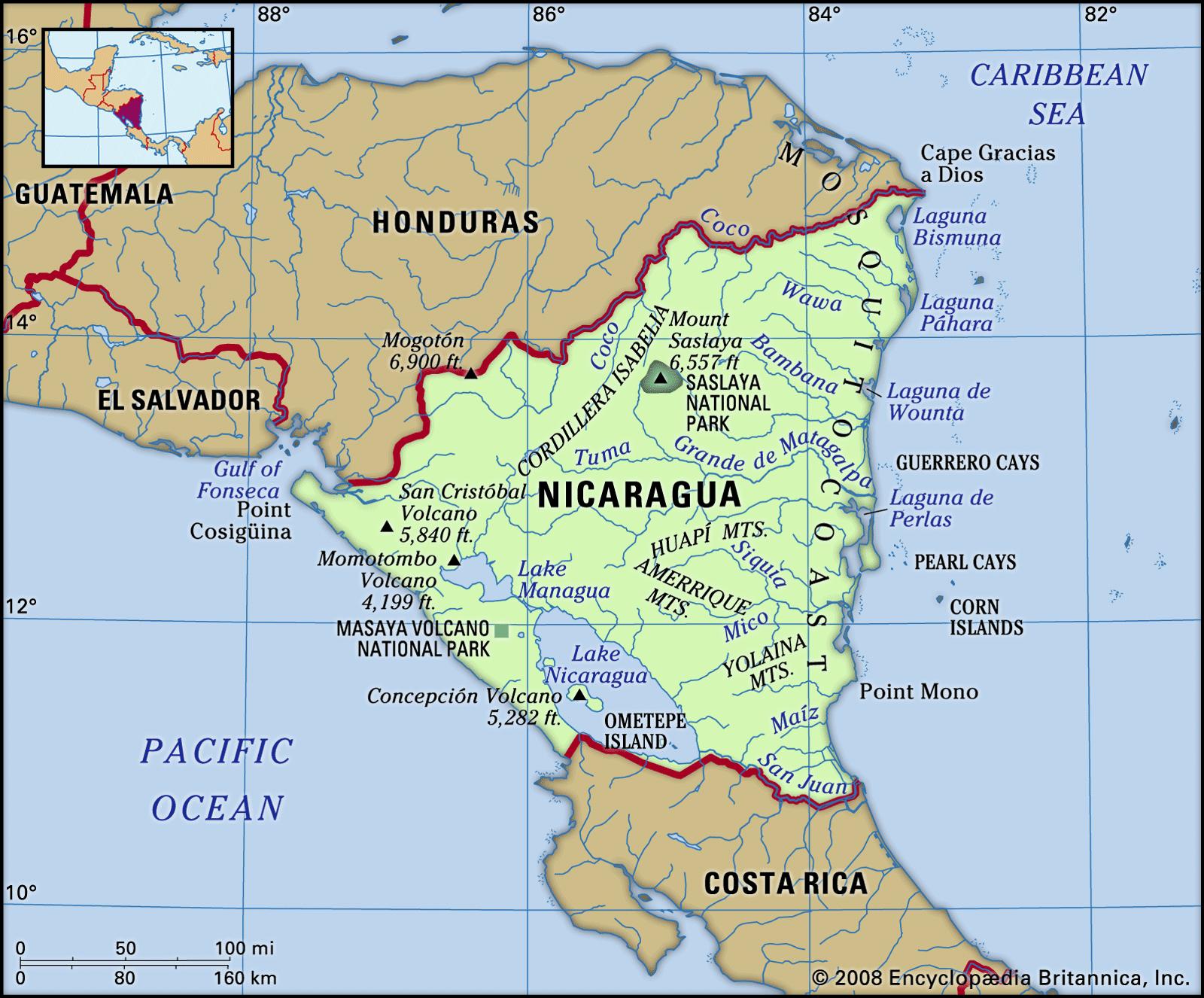
Situated in the heart of Central America, Nicaragua is emerging as a pivotal player in the geopolitical dynamics between the United States and China. Amidst economic difficulties and political turbulence, an exploration of its resources reveals a nuanced relationship between foreign powers and local ambitions. The recent influx of Chinese investments across various sectors—including infrastructure, agriculture, and telecommunications—has begun to transform Nicaragua’s economic framework, prompting essential discussions about national sovereignty, dependency issues, and future U.S.-Nicaragua relations. This article delves into the intricate ties between Nicaragua and China while highlighting how these developments not only uncover valuable resources but also indicate a significant shift in regional power structures.
Nicaragua’s Alliance with China: Regional Geopolitical Implications
The strengthening partnership between Nicaragua and China represents a notable shift within Central America’s geopolitical landscape.This collaboration transcends mere bilateral agreements; it signifies deeper integration into China’s Belt and Road Initiative (BRI),which seeks to enhance trade routes across Asia,Africa,and Latin America. With major infrastructure projects like the proposed interoceanic canal, Nicaragua has become an attractive destination for Chinese investment that could redefine regional trade patterns.
The ramifications of this alliance extend beyond mere economic advantages; they also disrupt customary power balances historically dominated by U.S.influence. As Nicaragua increasingly relies on Chinese funding expertise, neighboring nations may feel compelled to reassess their foreign policy approaches—especially those closely aligned with Washington.
This partnership brings both opportunities for growth and also challenges related to stability within the region.Concerns regarding national sovereignty arise alongside fears of becoming overly dependent on external financial support from China. Critics caution that such investments often come with conditions that could compromise local governance structures while increasing tensions within existing economies due to competition from Chinese state-owned enterprises.Key implications include:
- Economic Dependency Shifts: Nations may find themselves more reliant on Chinese trade partnerships.
- Geopolitical Strain: The U.S.’s response may involve countermeasures aimed at preserving its influence over Central America.
- Erosion of Local Governance: External influences might undermine local decision-making processes.
| Aspect | Implication |
|---|---|
| Economic Growth | Increased investment can drive growth but poses debt risks. |
| Political Landscape | Potential threats to democratic integrity due to rising external influence. |
| Social Dynamics | Local communities might experience disruptions from large-scale projects. |
The ongoing relationship between Nicaraguaand Chinacontinues to yield significant consequences—not just for Nicaraguabut for surrounding regions too.As Nicaraguadeepensits cooperationwith Chinathe potentialfor substantialeconomicadvancementexists,yetconcernsregardinggovernance,sustainability,andsovereignty must be prioritizedto ensurethatthese partnerships do not incur excessive costs.
Economic Prospects & Challenges:EvaluatingChinese InvestmentsinNicaragua
The recent surgeofChineseinvestmentshas dramatically alteredNicaragua’seconomiclandscape,presentingboth considerable opportunitiesandrisks.TheBeltandRoadInitiative(BRI)has positionedNicaraguaforstrategicimportanceamidCentralAmerica’sgrowingrole.Thisrelationshiphasresultedininvestmentsacrossdiverse sectorsincludinginfrastructureenergy,andagriculturewhichhavepotentialtostimulatelocal economieswhilecreatingjobs.Noteworthyprojects,suchastheplannedinteroceaniccanalandrenewableenergyinitiativesillustratetheambitionbehindtheseinvestments.Yet,thefinancialburdenassociatedwithsuchprojectsraisesquestionsaboutdebt sustainabilityandlong-termfinancialdependency.
Additionally,increasingChineseparticipationoffersgrowthpossibilitiesbutalsointroducesrisksrequiringcarefulmanagement.Theagreementsunderlyingtheseinvestmentsoftenlacktransparencyhighlightingtheneedforrobustregulatoryframeworkstoensureaccountability.Keyissuesinclude:
- EnvironmentalConcerns:Large-scaledevelopmentsmayendangerlocalecosystems
- LaborPractices:Chinesefirmsfrequentlyimporttheirownworkforcepotentiallymarginalizinglocals.
- GeopoliticalStrains:CloseconnectionswithChinamaydeteriorateNicaraguanrelationswithtraditionalalliesespeciallytheUnitedStates.
Acomparisonofrecentkeyprojectsoffersinsightintothecommitmentlevelandsourcesofpotentialconflict:
Project Investment(USD) Sectors Status <InteroceanicCanal</ td ><50billion</ td ><Infrastructure</ td ><InDevelopment</ tr > <RenewableEnergyProjects</ td ><$1 .5billion& lt/dt>&l tEnergy& lt/dt>&l tOperational& lt/dt>&l tOperational& lt/dt>& l tOperational & l tOperational & l tOperational & l tOperational & l tOperational & l
Nicaraguafacesacomplexlandscapeasittakesonthisnewreality.Thegovernmentmusteffectivelyleverageforeigninvestmentwhileprotectingnationalintereststo determinehowChineseengagementwillultimatelyaffectits economy.
Bolstering National Sovereignty:StrategiesforNicaraguanLeaders
Nicoláscontinuesnavigatingthroughanewglobalparadigm,itbecomescrucialforpolicymakerstoimplementstrategiesthatfortifythenation’ssovereignty.Firstly,fosteringeconomicresilienceshouldbeapriority.DiversifyingtradepartnershipscanreduceoverdependenceonanysingleforeignentityparticularlygivenrisingSino-Americanfrictions.Keyrecommendationsinclude:
- Diversifyinglocalindustriesbyfocusingoninnovationtechnologydevelopment.
ADVERTISEMENT
Bad Bunny Champions Puerto Rico’s Vital Role in America!
In a compelling recent statement, global superstar Bad Bunny fervently highlighted the profound connection between Puerto Rico and the United...
Read more