
Introduction:
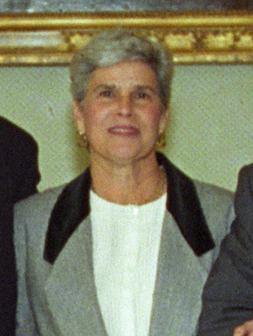
In a significant moment for both the United States and Nicaragua, Violeta Chamorro, the celebrated leader known as the “President of Peace,” has passed away at the age of 94 while living in exile. Chamorro, who rose to prominence as the first female president of Nicaragua in the early 1990s, is revered for her pivotal role in ushering in a period of peace and democratic reform following years of civil conflict. Her death, reported by Agenzia Fides, not only marks the end of an era for Nicaraguan politics but also serves as a poignant reminder of the challenges faced by political figures who oppose authoritarian regimes. As tributes pour in from around the globe, the legacy of Chamorro’s courageous leadership and unwavering commitment to democracy continues to resonate amidst ongoing struggles for freedom in Nicaragua.
Violeta Chamorro’s Legacy: A Beacon of Democracy in Nicaragua
Violeta Chamorro’s enduring legacy as a champion of democracy in Nicaragua is marked by her relentless pursuit of peace and justice amid the nation’s tumultuous history. Elected in 1990 as the first female president of Nicaragua, she played an instrumental role in dismantling the authoritarian regime of the Sandinistas, symbolizing hope for many Nicaraguans longing for democratic governance. Chamorro’s presidency was characterized by her commitment to pluralism and dialogue, fostering a political landscape in which diverse voices could be heard and respected. Her ability to bridge divides and promote reconciliation earned her the title of “President of Peace,” a reflection of her dedication to building a more inclusive society.
Throughout her life, Chamorro faced numerous challenges and adversities, including exile during periods of political unrest. Despite these obstacles, her influence extended beyond Nicaragua’s borders, inspiring women and activists worldwide. Key components of her legacy include:
- Advocacy for Human Rights: Chamorro stood firm in her support for human rights, setting a standard for future leaders.
- Promotion of Women’s Empowerment: As a trailblazer, she encouraged women’s participation in politics and governance.
- Commitment to Education: Chamorro prioritized educational reform as essential for the country’s development.
In recognition of her contributions, numerous organizations and governments have honored her, acknowledging her pivotal role in shaping Nicaragua’s democratic trajectory. Her unwavering resolve serves as a beacon of hope for those continuing the fight for democracy in the face of authoritarianism. As Nicaraguans remember Chamorro’s legacy, her influence will undoubtedly inspire future generations to uphold the values of democracy, peace, and resilience.
Reflections on Exile: The Impact of Chamorro’s Leadership Journey
The legacy of Violeta Chamorro, Nicaragua’s first female president, transcends the tumultuous periods she endured during her leadership journey and subsequent exile. Known as the “President of Peace,” she championed democracy and reconciliation in a country beset by political strife. Following years of civil war and authoritarian rule, Chamorro’s leadership was emblematic of hope for many Nicaraguans, showcasing the resilience of a nation yearning for harmony. As she navigated the complex landscape of power, her commitment to peace and justice marked a pivotal shift in the country’s trajectory, emphasizing the critical role of inclusive governance and diplomatic relations.
Exile profoundly shaped Chamorro’s perspective and resolve, with her experiences serving as a poignant reminder of the price of political dissent. Throughout her years away from Nicaragua, she remained a symbol of resistance against oppression. Her influence extended beyond national boundaries, inspiring global conversations about human rights and democratic freedoms. As we reflect on her life’s work, it is essential to recognize the lessons gleaned from her leadership journey, including the importance of empowerment, unity, and the relentless pursuit of peace in the face of adversity. The spirit of her endeavors continues to resonate, leaving an indelible mark on both Nicaragua and the broader international community.
The Path Forward: Recommendations for Upholding Democratic Values in Nicaragua
As Nicaragua mourns the loss of a pivotal figure in its history, Violeta Chamorro, now is the time for a renewed commitment to democratic principles. The international community plays a crucial role in supporting Nicaraguans striving for change. Recommendations for bolstering democratic values include:
- Strengthening Civil Society: Empower local organizations and grassroots movements that advocate for human rights and democracy.
- Promoting Free and Fair Elections: Advocate for transparent election processes, ensuring that all voices can be heard.
- International Monitoring: Encourage foreign observers to monitor elections and political activities to uphold accountability.
- Supporting Exiled Leaders: Provide resources and platforms for Nicaraguans in exile to share their perspectives and engage with global audiences.
The path forward must also prioritize dialogue between various political factions to foster understanding and reconciliation. Establishing a framework for discussions can lead to:
| Approach | Goal |
|---|---|
| Inclusive National Dialogue | Fostering unity among diverse political groups |
| Human Rights Advocacy | Protecting basic freedoms for all citizens |
| Community Engagement Programs | Building trust among local communities |
Implementing these strategies will not only honor Chamorro’s legacy but also pave the way for a more democratic future for Nicaragua, ensuring that the voices of its citizens are respected and heard.
The Way Forward
In conclusion, Violeta Chamorro’s legacy as a champion for democracy and peace in Nicaragua will endure long after her passing. Though she spent her final years in exile, her contributions to the nation, particularly during her presidency in the 1990s, remain a pivotal chapter in the history of Nicaraguan politics. As the nation reflects on the life of its first female president, many will remember her unwavering commitment to reconciliation and democratic governance in a time of turmoil. As tributes pour in from around the world, it is clear that Chamorro’s spirit will continue to inspire future generations in their pursuit of justice and unity. The challenges facing Nicaragua today serve as a poignant reminder of the work left to be done, and her life’s mission will resonate for years to come.











