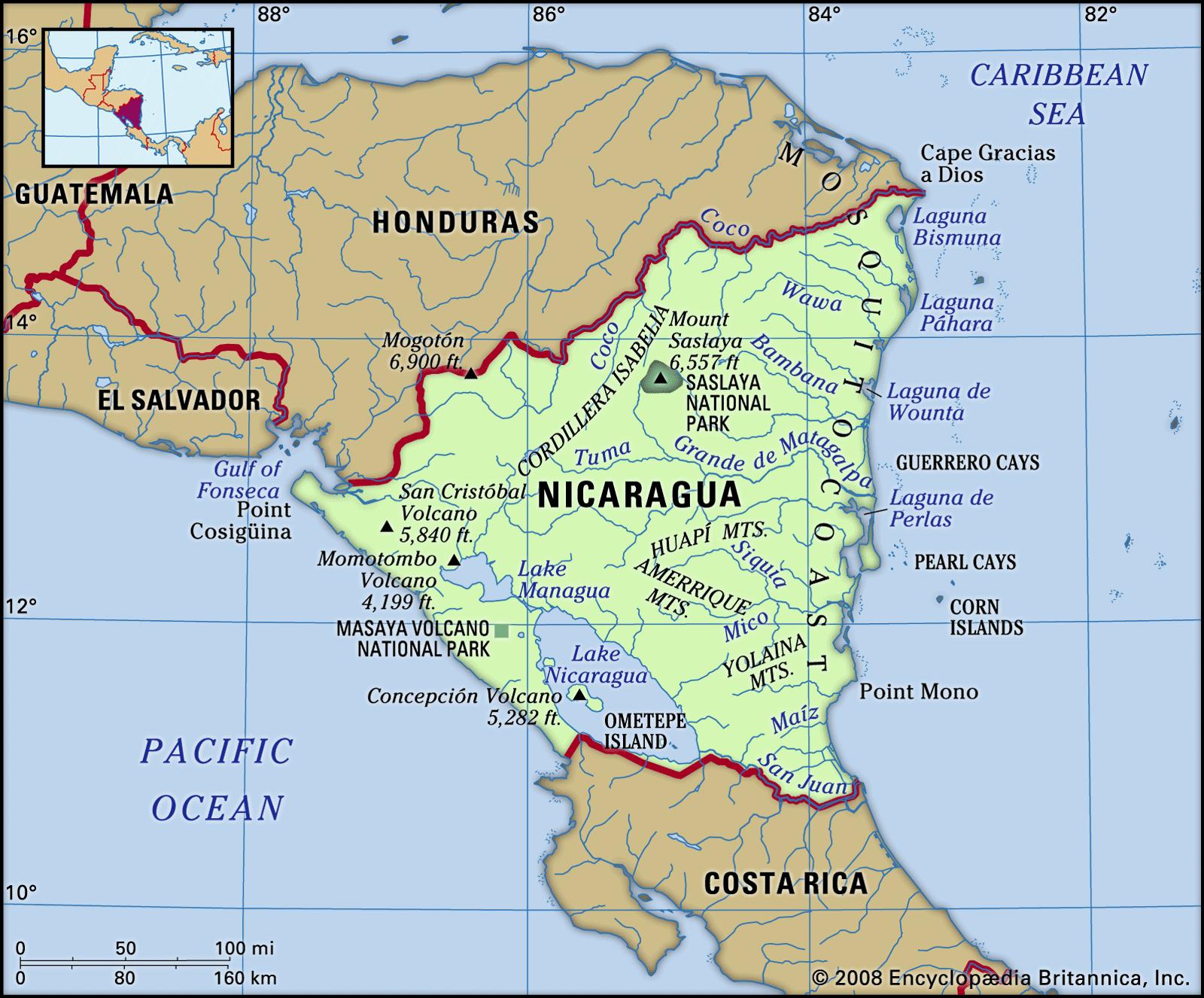
In a stark advisory reflecting escalating concerns over authoritarian governance, the U.S. Department of State has issued a warning urging American citizens to reconsider travel plans to Nicaragua. This directive comes amid a backdrop of increasing political repression and civil unrest in the Central American nation, where President Daniel Ortega’s government has faced widespread criticism for its crackdown on dissent and erosion of democratic institutions. The announcement serves as a critical reminder of the challenges posed to personal safety in regions where political contexts are shifting dramatically. In this article, we will explore the implications of this advisory, the current political climate in Nicaragua, and the broader repercussions for travelers and the international community.
U.S. Alert: Rising Authoritarian Threats Prompt Travel Warning for Nicaragua
The U.S. State Department has issued a stark travel warning, advising Americans to reconsider travel to Nicaragua due to escalating authoritarianism and deteriorating political conditions. With the current regime’s tightening grip on power, human rights abuses, and suppression of dissent have surged, leading to a climate of fear and uncertainty for both locals and foreign visitors alike. Travelers may encounter increased surveillance and arbitrary detentions, making conditions perilous for those who advocate for democratic freedoms.
Key factors contributing to the travel advisory include:
- Increased Government Repression: The Nicaraguan government has intensified its crackdown on political opponents and independent media.
- Public Safety Concerns: Rise in civil unrest and protests can turn violent, with unpredictable outcomes for bystanders.
- Limitations on Freedom of Movement: Authorities may restrict access to certain areas, particularly those associated with opposition activities.
For those considering travel, it’s essential to stay informed of the evolving situation. Below is a summary of the current travel advisories:
| Travel Advisory Level | Description |
|---|---|
| Level 4: Do Not Travel | All travel to Nicaragua is strongly discouraged due to safety risks. |
| Safety Risks | Violence, government crackdowns, and lack of emergency services. |
| Recommendations | Consider alternative destinations until the political situation stabilizes. |
Understanding the Risks: Political Instability and Human Rights Concerns in Nicaragua
Nicaragua is currently grappling with a turbulent political landscape that poses significant risks to both locals and visitors alike. The government’s increasingly authoritarian measures have raised alarms over the erosion of democratic institutions, leading to widespread concerns about safety and security. Recent incidents emphasize the deteriorating situation, marking a worrying trend of repression against dissenters. Americans planning to travel to Nicaragua should be acutely aware of the potential for arbitrary detention, harassment, and limited freedom of expression. Many travelers report feeling uneasy when expressing political opinions or engaging with local communities concerned about their government’s actions.
In light of these developments, it’s crucial to recognize the human rights implications stemming from the current regime. Reports from various human rights organizations indicate a troubling rise in abuses, including:
- Suppression of Political Opposition: Intimidation and violence against activists and opposition leaders.
- Media Restrictions: Censorship and closure of independent news outlets, limiting access to information.
- Judicial Manipulation: Usage of the judicial system to target critics and dissenters through unfair trials.
The following table summarizes key events related to the political unrest and human rights situation in Nicaragua:
| Date | Event | Implications |
|---|---|---|
| April 2018 | Mass protests erupt against social security reforms | Government response escalates into violence, leading to increased repression. |
| November 2021 | Controversial presidential election | International condemnation of electoral process as illegitimate. |
| July 2023 | Closure of independent media outlets | Significant restrictions on freedom of speech and press. |
Essential Precautions: Guidance for Americans Considering Travel to Nicaragua
Traveling to Nicaragua has become increasingly complex due to the rising concerns over authoritarianism and civil unrest. Before making any travel plans, it is essential to consider key safety precautions to ensure your well-being. Americans are advised to stay updated on the political climate, as demonstrations and government crackdowns can occur unexpectedly. It is prudent to monitor reliable news sources and the U.S. Embassy’s announcements regarding travel advisories and security incidents.
Furthermore, travelers should adopt a proactive safety strategy, including the following measures:
- Limit travel to rural areas where access to emergency assistance may be restricted.
- Avoid large gatherings or protests, which could escalate into violent confrontations.
- Share your travel itinerary with friends or family members back home.
- Utilize secure transportation options and avoid driving at night.
For quick access to essential resources, refer to the table below:
| Resource | Contact Information |
|---|---|
| U.S. Embassy in Nicaragua | (505) 2252-7100 |
| Emergency Services | 911 |
| Travel Advisory Website | travel.state.gov |
In Conclusion
In summary, the U.S. government’s advisory against travel to Nicaragua highlights the growing concerns over authoritarianism and the potential risks faced by American citizens in the region. As political tensions escalate and civil liberties are increasingly threatened, travelers are urged to remain vigilant and informed. With escalating incidents of government crackdowns on dissent, the situation in Nicaragua serves as a critical reminder of the importance of understanding the political landscape before embarking on international travel. As conditions continue to evolve, it is essential for Americans to prioritize their safety and stay updated on the latest travel recommendations.