
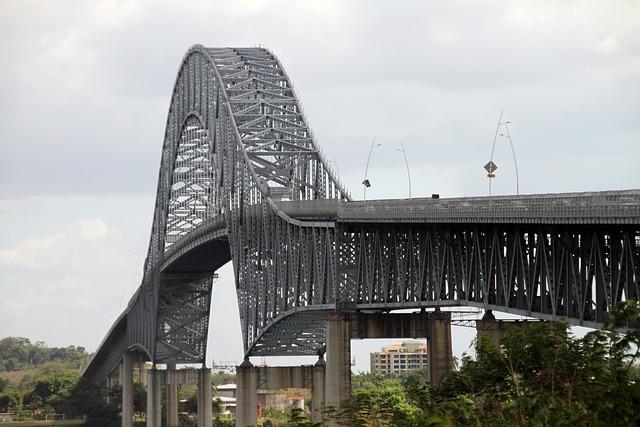
The Panama Canal: America’s Strategic Hinge that Captivates Trump’s Attention
In the annals of global infrastructure, few feats stand as monumental as the Panama Canal-a narrow waterway that has long served as a vital artery for international trade and maritime navigation. As the world becomes increasingly interconnected, the significance of this engineering marvel continues to resonate, drawing the interest of influential leaders and policymakers. Among them, former President Donald Trump has expressed renewed fascination with the canal’s potential for enhancing America’s geopolitical leverage. This article delves into the historical importance of the Panama Canal, its strategic implications in contemporary geopolitics, and the implications of Trump’s vision for a renewed American engagement with this crucial global conduit. As America’s role on the world stage evolves, understanding the canal’s multifaceted significance becomes essential for navigating the complexities of 21st-century diplomacy and commerce.
The Strategic Importance of the Panama Canal in Global Trade Dynamics
The Panama Canal remains a pivotal artery of global trade, acting as a crucial link between the Atlantic and Pacific Oceans. With over 14,000 vessels transiting its waters annually, the canal not only shortens travel time but also reduces shipping costs significantly. Key reasons for its strategic importance include:
- Trade Efficiency: The canal reduces the distance ships must travel by nearly 8,000 nautical miles, making it possible for cargo to reach markets faster.
- Global Supply Chains: By facilitating the movement of goods, the canal plays a vital role in connecting production centers in Asia with consumers in North America and Europe.
- Economic Impact: The revenues generated from tolls significantly contribute to Panama’s economy, emphasizing the canal’s role in national development.
As geopolitical tensions rise and competition for strategic waterways intensifies, the future of the canal could dictate trade routes and alliances. The following table illustrates the increasing volume of cargo transiting the canal over the past decade:
| Year | Number of Transits | Cargo Volume (in million tons) |
|---|---|---|
| 2013 | 12,080 | 313 |
| 2018 | 13,200 | 366 |
| 2022 | 14,000 | 402 |
This trend underscores the canal’s growing significance in a world where every minute-and every ton-counts in the race for economic supremacy. In this context, policies and negotiations surrounding the canal will continue to attract global attention as nations vie for control over these critical maritime routes.
Assessing Trump’s Vision for Canal Expansion and Economic Implications
Donald Trump’s vision for the expansion of the Panama Canal underscores a strategic pivot towards enhancing U.S. interests in global trade routes. The proposed initiatives aim to modernize infrastructure and increase capacity at this vital transit point, which has long been perceived as a linchpin in international commerce. Advocates of the project argue that improvements could lead to significant economic benefits, including:
- Increased Shipping Efficiency: Reducing transit times for vessels traveling between the Atlantic and Pacific Oceans.
- Boost to American Exports: Facilitating easier access for U.S. goods to growing markets in Asia.
- Job Creation: Generating thousands of jobs in construction and related sectors in Panama and the U.S.
However, critics raise concerns about the potential environmental impact and socio-economic implications for local populations. They point to the rich biodiversity of the surrounding areas and emphasize the need for an inclusive dialogue with Panamanian stakeholders before proceeding. A recent survey illustrates some of these concerns, as shown in the table below:
| Concern Category | Percentage of Respondents |
|---|---|
| Environmental Impact | 65% |
| Economic Displacement | 45% |
| Infrastructure Strain | 38% |
As decisions loom, the balance between economic advancement and environmental stewardship remains delicate, prompting a call for transparent policies and sustainable practices in future developments along this strategic channel.
Navigating Diplomatic Waters: Recommendations for U.S.-Panama Relations
Strengthening the bilateral relationship between the United States and Panama is crucial, especially given the strategic importance of the Panama Canal. To foster mutual benefits, both nations should focus on several key recommendations that encompass economic cooperation, security collaboration, and cultural exchange:
- Trade Expansion: Enhance trade agreements to facilitate the export of U.S. goods while promoting Panamanian products in American markets.
- Infrastructure Investment: Invest in Panama’s infrastructure projects, specifically those that maximize the Canal’s potential, ensuring that the logistics network is efficient and modern.
- Joint Security Initiatives: Collaborate on security measures to combat transnational crime and enhance maritime safety in the Canal region.
- Educational Programs: Establish academic exchange programs that allow Panamanian students to study in the U.S. while promoting American educational institutions in Panama.
Furthermore, diplomacy must go beyond economics and security. Engaging the Panamanian populace through cultural initiatives will help ensure a robust relationship. Suggested actions include:
| Recommendation | Outcome |
|---|---|
| Cultural Festivals | Increase mutual understanding and respect through shared traditions. |
| Art Exhibitions | Highlight the importance of Panamanian creativity in enhancing soft power. |
| Sports Diplomacy | Foster friendship and collaboration through sports events and exchanges. |
Closing Remarks
In conclusion, the Panama Canal remains a pivotal artery of global trade and geopolitical strategy, a legacy of American engineering marvel that continues to shape international relations. As the Trump administration expresses a renewed interest in the Canal, the implications are far-reaching. With its strategic location at the crossroads of the Americas, the Canal not only facilitates maritime commerce but also serves as a symbol of American influence in the region. As tensions rise and alliances shift, the future of the Panama Canal may hinge upon the delicate interplay of diplomacy, trade, and national interest. The world will be closely watching how these dynamics unfold as we move forward, with the Canal poised to reinforce its status as a vital link in the world economy.









