
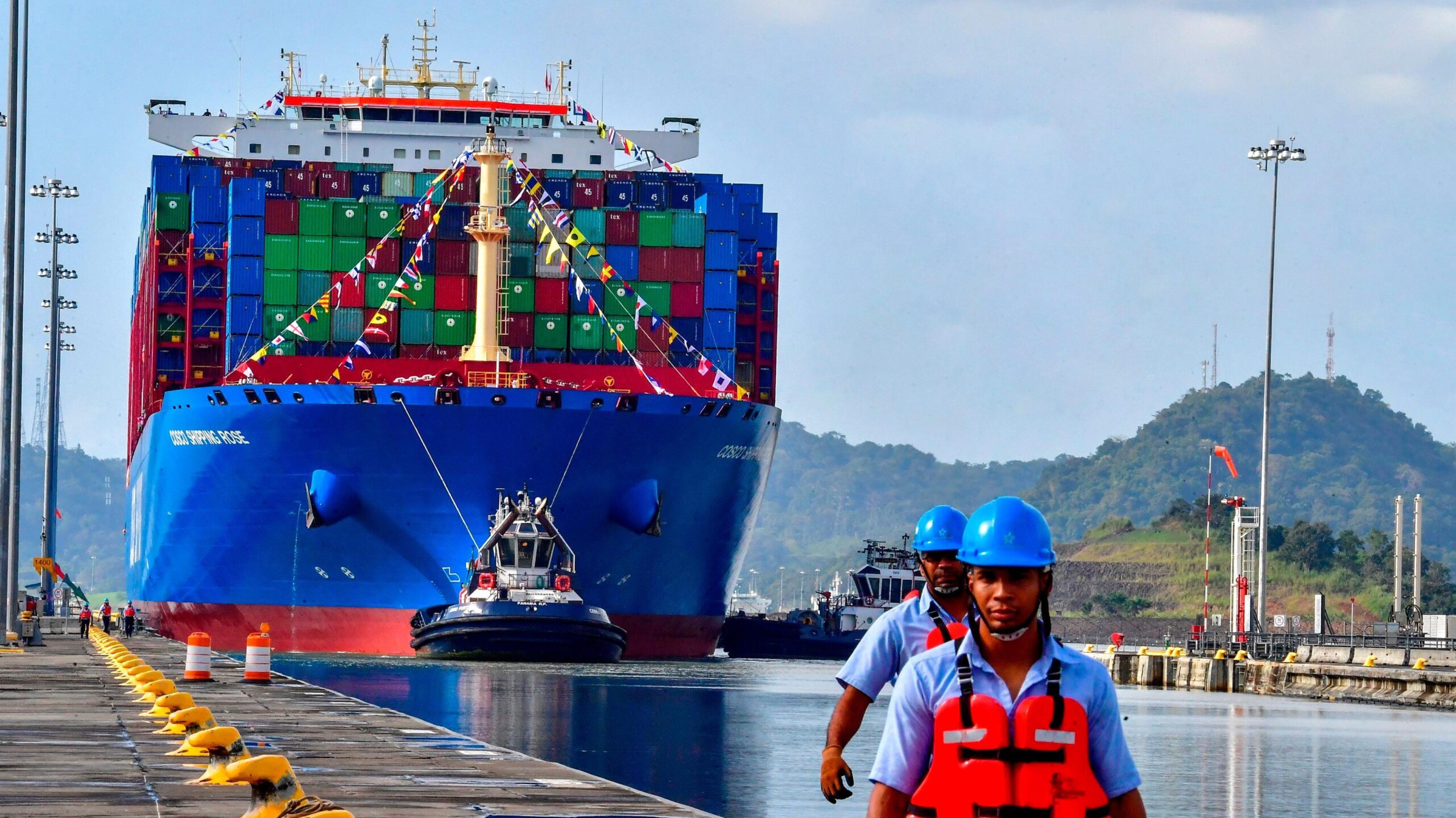
In a significant strategic move, China is advancing its influence in Latin America by constructing a massive infrastructure project akin to the Panama Canal. This ambitious endeavor raises critical questions about the balance of power in the region and signals a potential shift in geopolitical dynamics. As China seeks to secure vital trade routes and strengthen its economic ties with Latin American countries, the implications for U.S. dominance are profound. This article explores the motivations behind China’s investment, the potential benefits for Latin American nations, and what this means for the future of U.S. influence in an area traditionally seen as its sphere of influence. As global power structures evolve, the repercussions of China’s project could reverberate far beyond the Isthmus, heralding a new era of international relations in the Americas.
China’s Strategic Expansion in Latin America: Implications for US Influence
In recent years, China has made significant strides in establishing its presence in Latin America, particularly through infrastructure investments that mirror the historical significance of the Panama Canal. The Chinese government has actively pursued partnerships and financing arrangements that not only facilitate trade routes but also enhance China’s geopolitical influence in the region. Key initiatives, such as the Belt and Road Initiative, aim to create a network of transportation and economic corridors, strengthening ties with nations that have often felt sidelined by traditional powers like the United States. This strategic maneuvering raises critical questions about the implications for U.S. influence, as countries in Latin America increasingly turn towards Beijing for investment and development.
As these developments unfold, several factors are contributing to a shifting power dynamic:
- Infrastructure Development: China’s investment in ports, railways, and energy projects solidifies its role as a key player in Latin America’s economic landscape.
- Debt Diplomacy: Many Latin American governments have turned to Beijing for loans, creating dependency that may compromise their political autonomy.
- Bilateral Agreements: China is signing trade deals that bypass traditional U.S. alliances, allowing it to access vital resources and markets with fewer restrictions.
The table below illustrates the growing Chinese investment in key Latin American countries:
| Country | Investment Goals | Key Projects |
|---|---|---|
| Brazil | Energy and Agriculture | Sinopec Oil Refinery |
| Argentina | Infrastructure Development | Railway Expansion |
| Chile | Mining and Copper | Construction of New Mining Facilities |
| Mexico | Telecommunications | 5G Network Implementation |
These initiatives not only highlight Beijing’s ambition but also underscore the urgency for the U.S. to reassess its foreign policy and engagement strategies in the region. The reliance of Latin American countries on Chinese financing may lead to a decline in traditional U.S. influence, necessitating a more proactive approach to fostering relationships that promote mutual respect and bilateral benefits.
Analyzing the Economic Impact of China’s Canal Project on Regional Trade
The ambitious canal project initiated by China in Latin America has the potential to radically reshape regional trade dynamics. By facilitating smoother and more efficient maritime routes, this large-scale infrastructure investment could enhance connectivity between the Pacific and Atlantic Oceans. Key economic implications include:
- Reduced shipping times: The new canal is expected to slash transportation times for goods, boosting overall trade efficiency.
- Increased trade volumes: Enhanced capacity will likely attract more vessels, leading to a surge in import and export activities across borders.
- Regional integration: Countries in Latin America may discover new trading partners as export routes diversify, fostering deeper economic ties.
In addition to its operational benefits, the canal project serves as a strategic leverage point in global geopolitics. Potential outcomes of the initiative can significantly influence the balance of power in the region and beyond:
- Shift in supply chains: Businesses might reconsider their supply chain logistics, moving away from traditional hubs in favor of new routes offered by the canal.
- Foreign investment influx: The promise of improved infrastructure may attract foreign capital, further stimulating local economies.
- U.S. strategic response: As China asserts its influence, the U.S. may need to recalibrate its foreign policy and economic strategies in response to the changing landscape.
Recommendations for US Policy Response to Counter China’s Growing Presence
In response to China’s expanding influence in Latin America, the United States must recalibrate its foreign policy to safeguard its strategic interests. As China’s investment in infrastructure projects like canals increases, the need for proactive engagement with Latin American nations becomes critical. This could involve increasing diplomatic outreach to strengthen political ties and create economic partnerships that align with U.S. values. Additionally, enhancing trade agreements can incentivize regional cooperation, focusing on sustainable development and employment opportunities, thereby reducing the allure of Chinese investments that may come with debt traps.
Moreover, the U.S. should bolster its funding for initiatives that promote democratic governance and human rights in the region. Establishing a support framework for countries navigating interactions with China can empower them to make informed decisions about their economic partnerships. Key strategies might include:
- Increased Diplomatic Visits: Regular summits with Latin American leaders to discuss shared goals.
- Development Assistance: Direct investments in local infrastructure to give an alternative to Chinese projects.
- Educational Exchange Programs: Boosting understanding and collaboration between U.S. and Latin American youth.
In Conclusion
In conclusion, China’s ambitious initiative to construct a canal in Latin America, akin to the historic Panama Canal, marks a significant shift in the geopolitical landscape. This venture not only underscores China’s growing influence in the region but also raises critical questions about the future of U.S. dominance in global trade and diplomacy. As infrastructure projects like these come to fruition, the implications for economic partnerships, regional stability, and international relations could be profound. Observers will be watching closely to see how the United States responds to this emerging challenge and what it means for the balance of power in the Americas and beyond. As the global narrative evolves, the dynamics between these two major powers remain a key area of focus for policymakers and analysts alike.











