
Introduction:
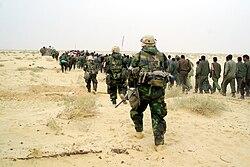
In December 1989, the United States launched a military operation in Panama that would escalate geopolitical tensions and reshape the dynamics of power in Central America. Known as Operation Just Cause, this invasion aimed to depose the Panamanian leader Manuel Noriega, a figure whose controversial alliances and illicit drug trafficking had drawn increasing ire from Washington. As American troops descended upon the country, the operation was presented by U.S. officials as a necessary intervention to restore democracy and safeguard American lives. Yet, the implications of this military action reverberated far beyond Panama’s borders, raising questions about U.S. interventionism, sovereignty, and the moral complexities of foreign policy. In this article, we delve into the events surrounding the invasion, its key players, and the enduring impact it has had on U.S.-Latin American relations.
U.S. Strategic Interests Behind the Invasion of Panama
The invasion of Panama in December 1989, codenamed Operation Just Cause, was motivated by several strategic interests of the United States beyond the surface rationale of capturing Manuel Noriega. The U.S. aimed to safeguard its geopolitical influence in Latin America, an area where Cold War tensions made the U.S. sensitive to foreign adversaries establishing footholds. This operation also aimed to protect American citizens residing in Panama, as rising tensions and Noriega’s increasingly authoritarian regime posed significant risks to their safety and well-being.
Moreover, controlling the Panama Canal was a pivotal concern for the U.S., given its strategic importance for international maritime trade. The canal served as a crucial conduit for naval and commercial vessels, and any instability in the region threatened American access to this vital passage. The U.S. government outlined its interests through key objectives, including:
- Restoring democratic governance: The U.S. sought to replace Noriega with a government more aligned with American democratic ideals.
- Combatting drug trafficking: Noriega’s connections to drug cartels presented a challenge to U.S. domestic and international drug enforcement efforts.
- Regional Stability: The U.S. aimed to prevent further chaos in Central America, where other conflicts threatened to spill over.
The Human and Political Costs of Operation Just Cause
The U.S. invasion of Panama, known as Operation Just Cause, resulted in profound human and political repercussions that continue to resonate today. It is estimated that thousands of Panamanian civilians lost their lives during the operation, with estimates varying widely. Furthermore, the conflict resulted in widespread destruction of infrastructure, leading to long-term challenges for the country in terms of rebuilding and recovery. The invasion not only displaced thousands of people but also created a climate of fear and mistrust among civilians and military personnel alike. The following points highlight the significant human costs associated with the operation:
- Deaths of Civilians: Official reports suggest anywhere from 200 to over 4,000 civilian casualties, depending on the source.
- Displacement: Thousands were forced to flee their homes, creating a refugee crisis that strained local resources.
- Infrastructure Damage: Key buildings, including hospitals and schools, were severely damaged or destroyed.
- Psychological Impact: The trauma of war left lasting scars on the mental health of the survivors.
Politically, Operation Just Cause marked a significant shift in U.S.-Latin America relations, ushering in a new era of interventionist policies. Critics argue that the operation undermined Panama’s sovereignty and set a precedent for future U.S. interventions in the region under the guise of promoting democracy and stability. The aftermath of the invasion led to mixed results, as Manuel Noriega was ousted but not without significant consequences for the political landscape. The long-term impacts include:
| Impact | Description |
|---|---|
| Government Instability | The removal of Noriega led to a struggle for power among competing factions. |
| U.S. Image | The operation damaged the credibility of the U.S. as a champion of democracy. |
| Human Rights Issues | Allegations of human rights violations persisted in the aftermath. |
| Regional Relations | Created tensions between the U.S. and various Latin American governments. |
Lessons Learned: Implications for Future U.S. Military Interventions
The U.S. military intervention in Panama in 1989 offers several critical lessons that can guide future military engagements. One notable aspect was the quick decision-making process, which allowed for a swift response to escalating tensions. This suggests that future interventions could benefit from having clear objectives and flexible planning, allowing for rapid adaptation to changing circumstances on the ground. However, the aftermath of the invasion raised questions regarding nation-building efforts and the effective management of post-conflict scenarios, highlighting the necessity for a robust strategic framework that considers not only military success but also the political and social landscapes of the affected regions.
Additionally, public perception and international relations must be prioritized in any future U.S. military action. The Panama invasion, while largely successful in its immediate objectives, strained relations with several Latin American countries. To mitigate potential diplomatic fallout, it is essential to engage in diplomatic outreach prior to intervention and foster a broader consensus among international allies. This can be enhanced by implementing a multi-national coalition approach, where applicable, to distribute the burden of intervention and alleviate any perceptions of unilateralism. The implications indicate a need for a well-rounded strategy that balances military goals with the broader context of long-term peace and stability.
To Conclude
In conclusion, the U.S. invasion of Panama in December 1989 marked a significant turning point in the realm of international relations and U.S. foreign policy. Officially dubbed Operation Just Cause, the military action aimed to restore democratic governance and apprehend former Panamanian leader Manuel Noriega, amidst allegations of drug trafficking and human rights abuses. The operation, which resulted in both immediate military victory and long-term geopolitical consequences, continues to evoke debate over interventionist strategies and their implications for sovereignty and democracy. As we reflect on this pivotal moment in history, the complexities surrounding U.S. involvement serve as a reminder of the delicate balance between national interests and the pursuit of global stability. In examining these events, we gain not only insight into a crucial chapter of Panama’s past but also a deeper understanding of the enduring ramifications that shape U.S.-Latin American relations today.











