
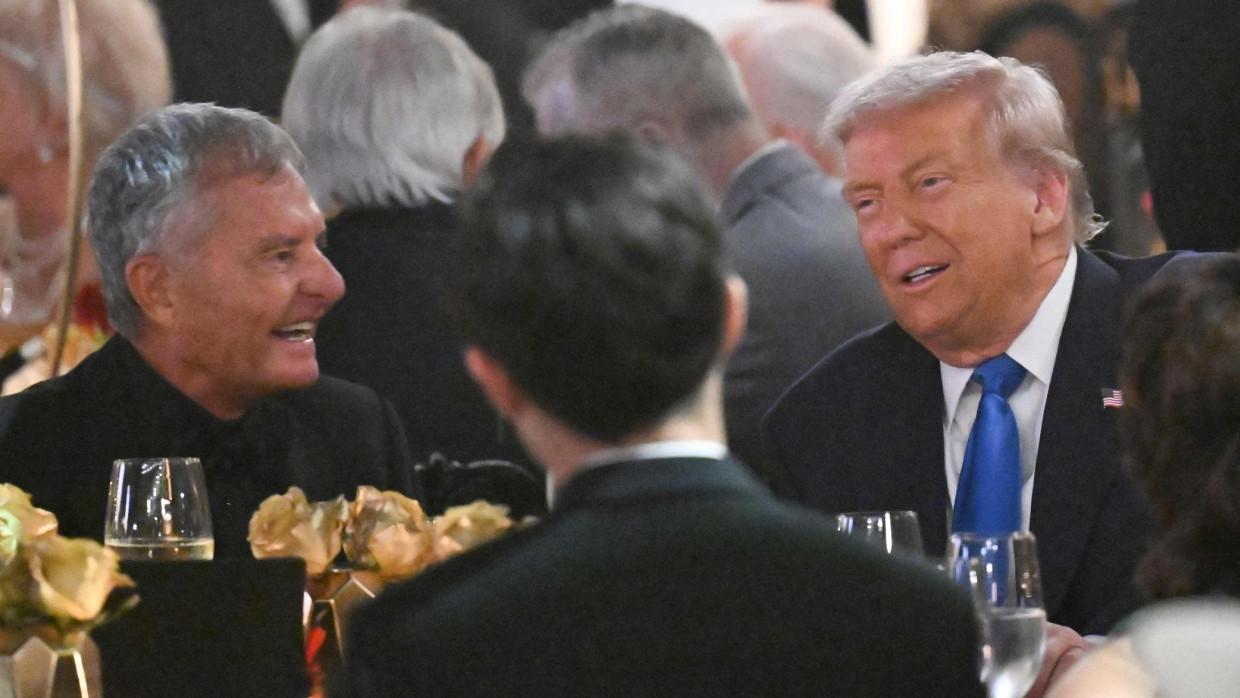
In a move that has stirred considerable geopolitical concern, former President Donald Trump has suggested the possibility of reasserting U.S. control over the Panama Canal, an integral maritime route crucial to global trade. This provocative statement has reopened discussions about sovereignty, international relations, and America’s role in Central American affairs. With tensions rising in a region where Chinese influence has been expanding, Trump’s remarks raise questions about the implications for both U.S. foreign policy and canal governance. In this explainer, we delve into the historical context, the current geopolitical dynamics, and the underlying motivations behind Trump’s controversial assertion regarding the Panama Canal.
Understanding Trump’s Motivations Behind Panama Canal Claims
In recent statements, former President Donald Trump has reignited discussions surrounding the Panama Canal, claiming that the United States should reconsider its stance on the administration and control of this critical waterway. Trump’s motivations appear to be multi-faceted, influenced by both historical sentiments regarding U.S. supremacy in global trade and a distinct desire to assert American dominance in the region. By emphasizing themes of sovereignty and control, he connects with a base that views foreign agreements, particularly those made during the Carter administration, as detrimental to national interests.
Furthermore, Trump’s rhetoric emphasizes the economic implications of the canal, suggesting that American businesses have suffered due to perceived mismanagement or foreign misappropriation of the canal’s resources. His stance can be summarized in several key points:
- Advocacy for restored U.S. oversight in international waterways, underlining its impact on trade.
- Promotion of a narrative that emphasizes national pride, which resonates with his supporters.
- Reinforcement of an America First ideology, suggesting that prioritizing U.S. interests overseas is vital for the country’s future.
Geopolitical Implications of U.S. Involvement in the Panama Canal
The U.S. involvement in the Panama Canal has long been a complex story of national interests, regional stability, and international relations. Following the transfer of control of the canal to Panama in 1999, there have been ongoing discussions about the implications of American influence in the region. The strategic importance of the canal as a vital trade route continues to shape U.S. foreign policy, particularly in light of rising competition from global maritime powers and regional instability. This recent rhetoric from Trump pointing towards a potential takeover raises questions about the implications for U.S.-Panama relations and the broader geopolitical landscape in Central America.
With tensions surrounding trade routes and security interests on the rise, the impact of U.S. actions could resonate far beyond the borders of Panama. The potential for increased American military or economic presence could lead to:
- Heightened Regional Tensions: Countries like China may perceive U.S. involvement as a direct threat to their interests.
- Impact on Trade Agreements: Regional allies may reassess their trade partnerships with the U.S. in light of aggressive maneuvers.
- Domestic Political Ramifications: Changes in U.S. foreign policy could evoke varied responses from Panamanian and American citizens alike.
| Key Players | Stance |
|---|---|
| United States | Proactive control over strategic assets |
| Panama | Desire for sovereignty and management independence |
| China | Increasing interests in Latin America |
| Regional Allies | Potential for shift in diplomatic relations |
Strategic Recommendations for U.S. Foreign Policy in Central America
In light of recent developments regarding U.S. foreign policy in Central America, a comprehensive approach must prioritize several key strategies to bolster regional stability and partnerships. First, the United States should enhance diplomatic engagement with Central American nations to address shared challenges such as migration, drug trafficking, and economic development. Strengthening bilateral dialogues and fostering multilateral collaborations, especially with organizations like the Central American Integration System (SICA), can create a unified front in tackling systemic issues affecting the area.
Additionally, an investment strategy focusing on economic assistance and development projects will be essential. Implementing targeted initiatives that promote education, job creation, and infrastructure development can help mitigate the root causes of instability. Moreover, the U.S. should encourage public-private partnerships to stimulate local economies. These measures can include:
- Infrastructure investments to improve transportation and logistics.
- Support for small and medium enterprises to foster entrepreneurship.
- Educational programs aimed at enhancing vocational skills.
Collaboration with international allies will be vital to ensure that these efforts align with broader geopolitical objectives and sustainable progress in the region.
Final Thoughts
In summary, the ongoing discourse surrounding former President Donald Trump’s remarks about potentially asserting control over the Panama Canal highlights a complex interplay of historical grievances, geopolitical strategies, and national pride. As the global landscape continues to evolve, the repercussions of such statements resonate beyond the boundaries of Central America, stirring debates over sovereignty, international relations, and the legacy of U.S. intervention in foreign territories. The implications of Trump’s threats not only underscore the significance of the Panama Canal in global trade but also call into question the future of U.S. influence in the region. As the situation develops, stakeholders across the political spectrum will be closely monitoring the responses and strategies that unfold in response to this provocative rhetoric. The conversation is far from over, and the international community remains watchful.









