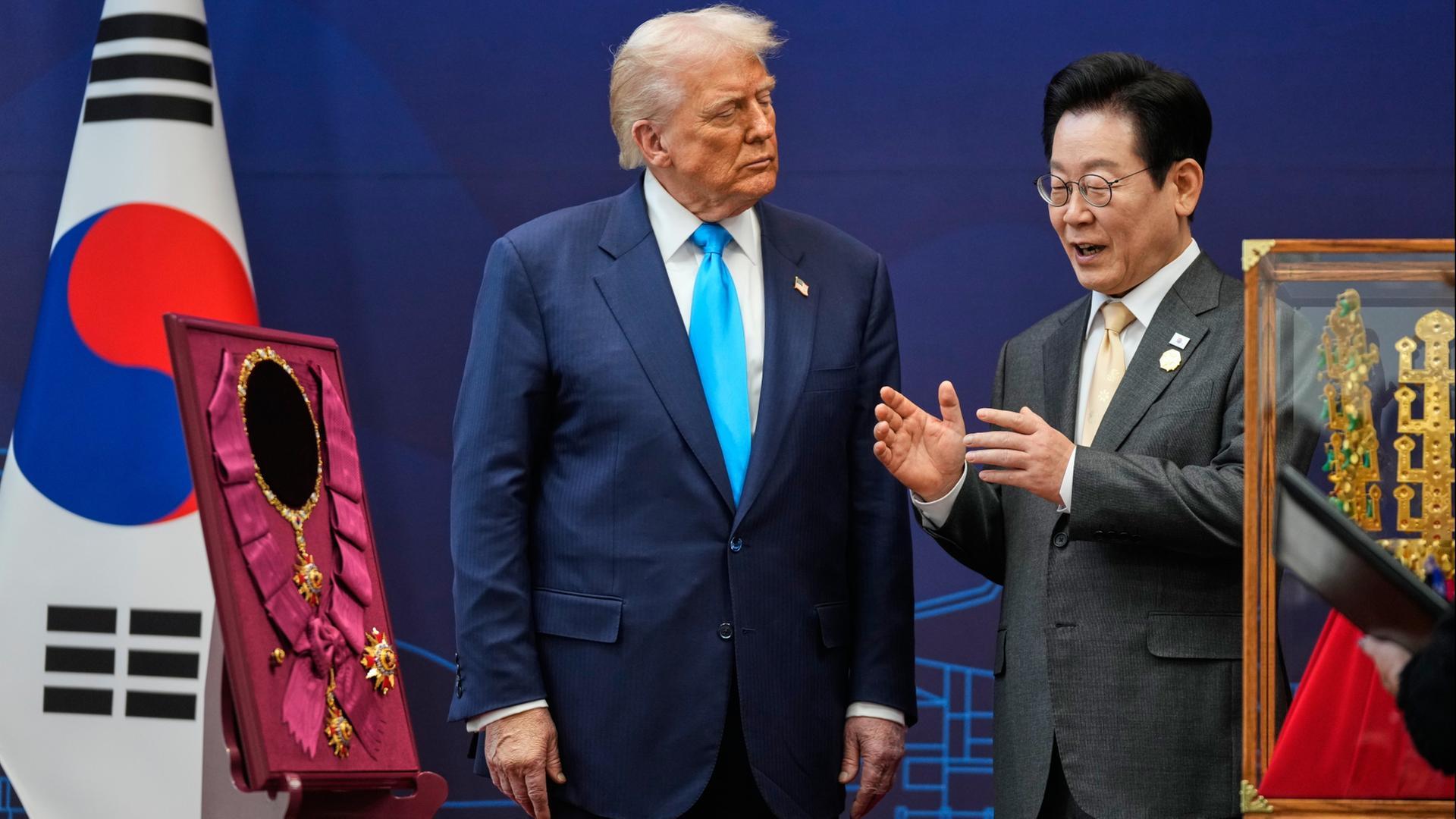
In the complex landscape of international relations, few figures evoke as much scrutiny and speculation as former President Donald Trump. His recent ventures into Panama have sparked intrigue and raised questions about his true intentions in a country often overshadowed by its strategic significance in global trade. In this article, we delve into the motivations behind Trump’s interest in Panama, examining the intersection of business, politics, and diplomacy. As Panama navigates its own challenges and aspirations, understanding what Trump really wants in this Central American nation provides a critical lens through which to view his ongoing influence in the region and beyond.
Understanding Trump’s Strategic Interests in Panama
Donald Trump’s interest in Panama can be viewed through a multifaceted lens, encompassing economic, geopolitical, and personal dimensions. Foremost among these is the strategic importance of the Panama Canal, a crucial shipping route that facilitates global trade. Trump, with his keen business acumen, recognizes the potential opportunities for infrastructural investments and tourism development. By engaging with Panama, he seeks to enhance trade relationships, potentially leading to favorable business agreements that could benefit U.S. corporations. Moreover, the prospect of greater control over trade routes aligns with his broader agenda of prioritizing American economic interests on a global scale.
Additionally, Trump’s focus on Panama encompasses a desire to strengthen U.S. influence in Latin America amid increasing competition from China and Russia. Key factors underpinning his strategy include:
- Bolstering security partnerships to combat drug trafficking and organized crime.
- Enhancing diplomatic relations through strategic visits and trade deals.
- Promoting investment opportunities for American businesses in emerging sectors.
These elements frame a comprehensive vision that goes beyond mere economic gains, aiming to solidify America’s presence in a region historically seen as a geopolitical battleground. In the broader context of U.S.-Latin America relations, Trump’s moves in Panama reflect an intention to project strength and reassert influence in the face of shifting alliances.
Economic Implications of U.S.-Panama Relations
The economic ties between the U.S. and Panama have evolved significantly over the years, with the potential for further growth hinging on strategic partnership. As the U.S. administration seeks to strengthen its influence in Central America, Panama emerges as a critical ally. Key factors shaping this relationship include:
- Trade Agreements: Continued commitment to the U.S.-Panama Trade Promotion Agreement fosters mutual economic benefit.
- Investment Opportunities: Increased U.S. investment in infrastructure and technology sectors could bolster Panama’s economic landscape.
- Job Creation: Aligning policies may lead to job creation in both nations, enhancing economic stability.
Furthermore, Panama’s strategic geographic location and its well-established logistics and shipping industries make it a pivotal player in global trade networks. The development of the Panama Canal has not only solidified its role as a maritime hub but also attracted various multinational companies seeking efficient transit routes. To illustrate the economic impacts, consider the following table:
| Year | U.S. Exports to Panama ($ million) | Panama’s GDP Growth (%) |
|---|---|---|
| 2019 | 2,794 | 3.0 |
| 2020 | 2,141 | -17.9 |
| 2021 | 3,098 | 15.3 |
In conclusion, the economic landscape of U.S.-Panama relations is shaped not only by bilateral trade but also by broader regional stability and development initiatives. As both countries navigate the complexities of their partnership, focusing on sustainable practices and diversified economic interactions will be crucial for mutual prosperity.
Political Maneuvering and Its Impact on Regional Stability
The political landscape in Panama has become a chessboard, where strategic alliances and individual ambitions shape the stability of the region. Under the specter of U.S. involvement, the machinations of local leaders are often driven by a desire for support, whether through economic aid or military partnership. As Trump’s administration emphasizes national interests and security concerns, stakeholders in Panama are finding themselves at a crossroads. Key factors that influence these maneuvers include:
- Economic Investments: Increased U.S. investments could bolster local infrastructure but may also heighten dependency.
- Military Partnerships: Enhanced security cooperation can deter external threats but risks escalating tensions with neighboring nations.
- Political Pressure: Local leaders must balance U.S. expectations with domestic opposition, creating a precarious political environment.
This strategic interplay can ripple across the region, affecting everything from trade agreements to migration patterns. With Trump’s focus on asserting American influence, Panama’s leadership faces growing pressures to align closely with U.S. priorities, risking internal dissent and weakening regional alliances. The implications of this political maneuvering extend globally, impacting not just bilateral relations but the broader geopolitical climate in Latin America. A simplified overview highlights essential regional players:
| Player | Position | Potential Impact |
|---|---|---|
| Panama’s Government | Pro-U.S. Stance | Increased Foreign Investment |
| Neighboring Nations | Cautious Diplomacy | Heightened Tensions |
| U.S. Administration | Assertive Foreign Policy | Shifting Alliances |
To Wrap It Up
In conclusion, understanding what Donald Trump truly desires from Panama requires a nuanced examination of his broader geopolitical strategy and business interests. As America’s attention remains fixed on the shifting dynamics of international relations, the engagement with Panama emerges not only as a pursuit of economic opportunity but also as a potential pivot point in U.S.-Latin American relations. As Trump navigates his ambitions in the region, both political analysts and policymakers must remain vigilant to the implications of his maneuvers. With Panama positioned as a critical player in global trade and diplomacy, the coming months will reveal whether Trump’s objectives align more closely with economic gains or a deeper diplomatic agenda. As this narrative unfolds, the impact on Panama-and the U.S. role in the Americas-will only become clearer.