
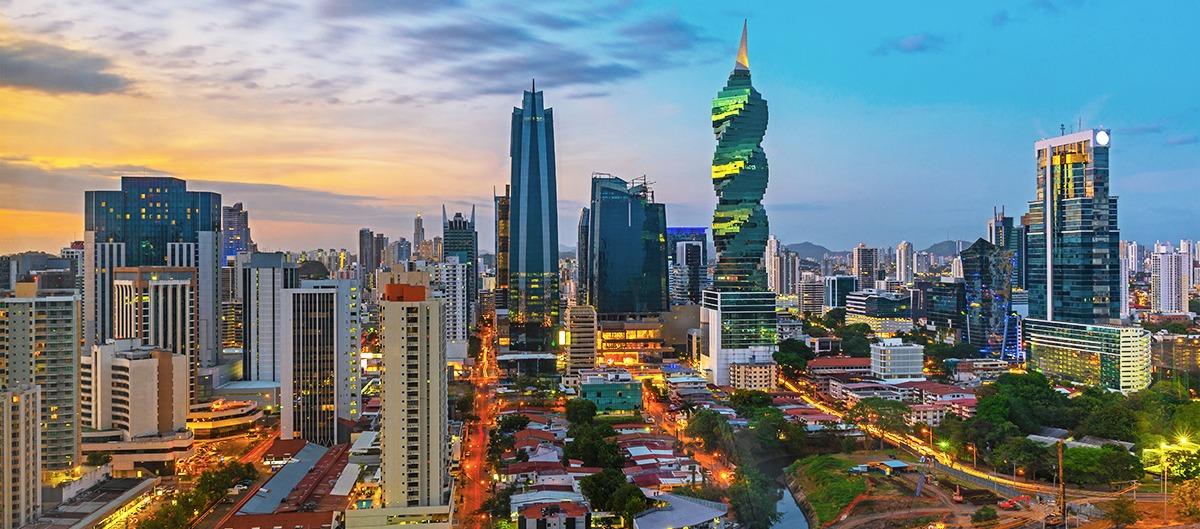
Dispatch from Panama City: What’s Behind the New Optimism in US-Panama Relations?
In recent months, a renewed sense of optimism has emerged in the diplomatic ties between the United States and Panama, signaling a potential shift in regional dynamics and collaboration. As both nations navigate a complex global landscape marked by economic uncertainties and geopolitical tensions, the resurgence of dialogue and partnership is noteworthy. This optimism follows a series of high-level meetings, strategic trade agreements, and shared interests in combating transnational issues such as climate change and security. In this article, we delve deeper into the factors fueling this positive momentum, the historical context of U.S.-Panama relations, and the implications for both countries and the broader Latin American region. Join us as we explore the transformative developments taking place in Panama City and what they mean for the future of bilateral cooperation.
Renewed Bilateral Engagement: Analyzing Strategic Initiatives Driving US-Panama Relations
Recent developments in US-Panama relations have sparked renewed optimism, marked by a series of strategic initiatives aimed at enhancing bilateral engagement. Key areas of focus include trade, security cooperation, and infrastructure development, which are essential to not only strengthen mutual interests but also address regional challenges together. The expansion of the Tariff Preference Level (TPL) is a notable step, enabling the increased export of goods that directly supports Panamanian agriculture and manufacturing sectors. Additionally, both nations are intensifying collaborative efforts against transnational crime, reflecting a shared commitment to improving security across the isthmus.
Furthermore, a significant aspect of this renewed partnership is the emphasis on sustainable development and climate action. The US is keen to support Panama’s ambitious goals for renewable energy and environmental protection. This includes investments in green technology and programs aimed at preserving biodiversity in the region. As part of these initiatives, the two governments are establishing a framework for ongoing dialogue that prioritizes inclusive economic growth and social equity. The combination of these strategic initiatives forms a robust foundation for fostering a resilient and prosperous future for both countries.
Economic Partnerships on the Rise: Exploring Trade Opportunities and Investment Potential
The recent surge in optimism surrounding US-Panama relations is largely attributed to a series of economic partnerships aimed at enhancing trade and investment between the two nations. The Panama Canal’s strategic significance remains a pivotal factor, facilitating a boost in maritime trade routes that connect North and South America. As both countries seek to solidify their economic ties, initiatives such as increased bilateral agreements, focused investments in infrastructure, and enhanced regulatory cooperation are being discussed. Key sectors of interest include technology, energy, and agriculture, all vital for fostering mutual growth.
As the landscape of international trade continues to evolve, various opportunities have emerged for investors looking to tap into Panama’s burgeoning economy. Recent discussions highlight several potential avenues for collaboration, including:
- Digital Economy: Investments geared towards innovation and technology infrastructure.
- Renewable Energy: Opportunities in solar and wind projects aimed at reducing reliance on fossil fuels.
- Tourism Development: Initiatives focusing on sustainable tourism to attract more visitors.
| Sector | Investment Potential | Projected Growth |
|---|---|---|
| Digital Economy | High | 15% annually |
| Renewable Energy | Medium | 10% annually |
| Tourism | Moderate | 8% annually |
Regional Stability and Security: How Collaborative Efforts Are Reshaping the Landscape in Central America
In recent months, a palpable shift in the dynamics between the U.S. and Panama has emerged, suggesting that regional stability is increasingly reliant on collaborative efforts that emphasize security cooperation and economic partnership. The renewed focus on joint initiatives signifies a commitment to tackling pressing issues, such as narcotrafficking and organized crime, which have posed significant threats to Central American nations. Both governments have engaged in a series of strategic dialogues, underscoring the importance of multilateral approaches to these challenges. Key areas of collaboration include:
- Intelligence Sharing: Enhanced communication channels between security agencies.
- Counter-narcotics Operations: Joint missions targeting drug trafficking routes.
- Economic Investment: U.S. initiatives aimed at strengthening Panama’s infrastructure and job creation.
- Disaster Response: Coordination in facing natural disasters, bolstering resilience.
This newfound cooperation extends beyond immediate security measures, reflecting a broader understanding that economic stability plays a critical role in sustaining peace. As Panama’s strategic location at the crossroads of global trade continues to attract U.S. investment, the two nations are exploring numerous opportunities for growth. Recent agreements are paving the way for collaborative infrastructure projects, which aim not only to bolster the economy but also to create a robust framework for long-term security. The optimism observed in U.S.-Panama relations is indicative of a wider trend where nations in Central America are coming together to forge a brighter, more secure future amidst evolving geopolitical challenges.
Wrapping Up
As we conclude our exploration of the renewed optimism in US-Panama relations, it is clear that a confluence of strategic interests, economic potential, and geopolitical shifts has fostered a promising dialogue between the two nations. With Panama situated at a crucial crossroads of trade and commerce, both countries stand to benefit from a collaborative approach that addresses shared challenges and opportunities. As leaders navigate this evolving landscape, the stakes remain high, underscoring the importance of fostering a partnership that not only bolsters economic ties but also strengthens democratic resilience and regional stability. The coming months will be pivotal in determining whether this newfound optimism translates into sustainable progress or remains a fleeting moment in the complex tapestry of international relations. As Panama asserts its role on the global stage, all eyes will be on how the US and Panama chart a course forward together.











