Get the world’s most fascinating discoveries delivered straight to your inbox.
Costa Rica has also seen an uptick in human cases, with one confirmed fatality earlier this year, according to the U.S. Embassy in Costa Rica.
Related: 32 scary parasitic diseases
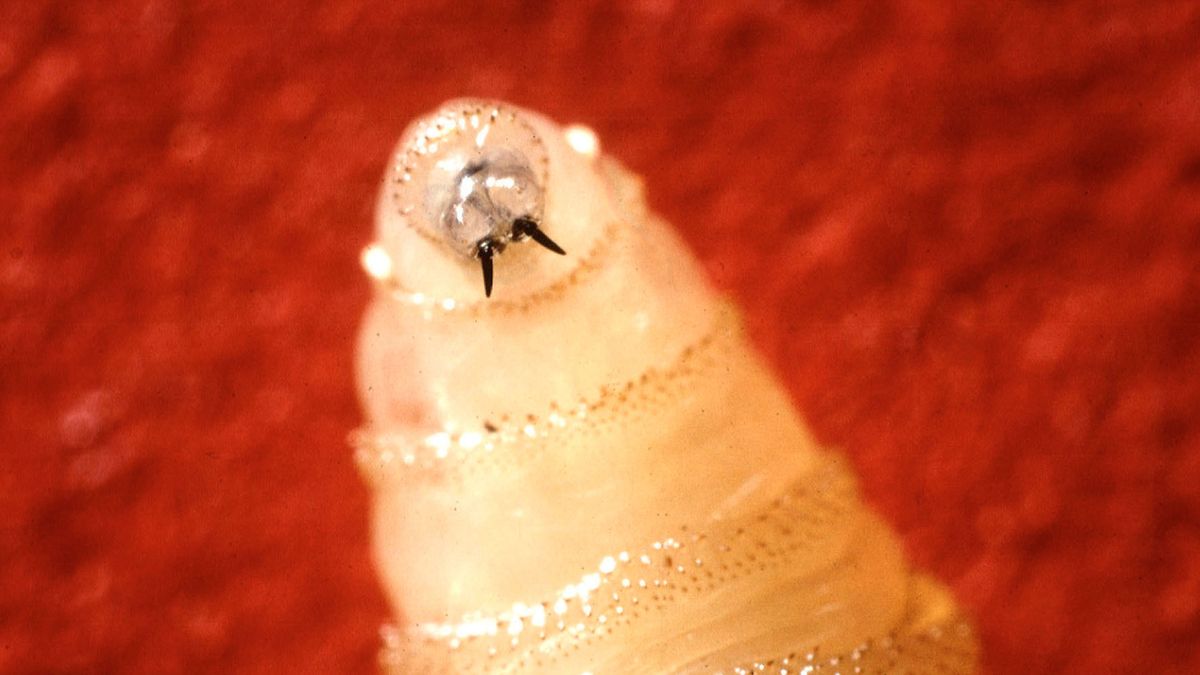
The parasite spreads when adult female screwworm flies lay their eggs in the wounds or open orifices of live, warm-blooded animals. According to the U.S. Centers for Disease Control and Prevention (CDC), these flies can lay up to 300 eggs in one go, potentially laying thousands during their 10- to 30-day lifespan.
Even a wound the size of a tick bite is big enough to attract the female flies to lay their eggs. These eggs then hatch into larvae, which burrow into the wound and feed on the surrounding flesh with their sharp, hooked mouths, essentially eating their hosts from the inside out. The wound becomes deeper and larger as more worm-like larvae hatch from their eggs..
These infestations are very painful. They also leave their hosts vulnerable to secondary infections.
Myiasis refers generally to infestations of live vertebrate animals with fly larvae, including screwworms. Mortality rates vary greatly between different species, but a large study by the World Health Organization found that mortality rates stood at around 3 percent for human cases.
Those living in rural areas who frequently work with livestock are most vulnerable to infestation, according to the CDC, although anyone with open sores or wounds, including from recent surgery, can be affected.
There is no approved treatment for screwworm infestations other than to physically remove the larvae from the infected tissue, according to the CDC. Instead, the agency notes that the best way to prevent screwworm myiasis is to avoid exposure. This includes cleaning and covering open wounds, especially when in contact with livestock and wild animals, and to use Environmental Protection Agency (EPA) registered insect repellents.
To prevent the spread of this parasite into the U.S., the USDA’s Animal and Plant Health Inspection Service (APHIS) is restricting the import of livestock, including horses, from Mexico into the U.S., “pending further information from Mexican veterinary authorities on the size and scope of the infestation.”
The USDA also advised pet owners to check for draining or enlarging wounds, as well as signs of screwworm eggs or larvae around open wounds and orifices.
This article is for informational purposes only and is not meant to offer medical advice.
Ever wonder why some people build muscle more easily than others or why freckles come out in the sun? Send us your questions about how the human body works to [email protected] with the subject line “Health Desk Q,” and you may see your question answered on the website!
Source link : http://www.bing.com/news/apiclick.aspx?ref=FexRss&aid=&tid=675b1b706deb42bdbb4cec7a34bf007f&url=https%3A%2F%2Fwww.livescience.com%2Fhealth%2Fviruses-infections-disease%2Fflesh-eating-human-parasite-sweeping-across-central-america-is-raising-concerns-in-us-what-to-know&c=9383606239428720263&mkt=en-us
Author :
Publish date : 2024-12-12 04:00:00
Copyright for syndicated content belongs to the linked Source.