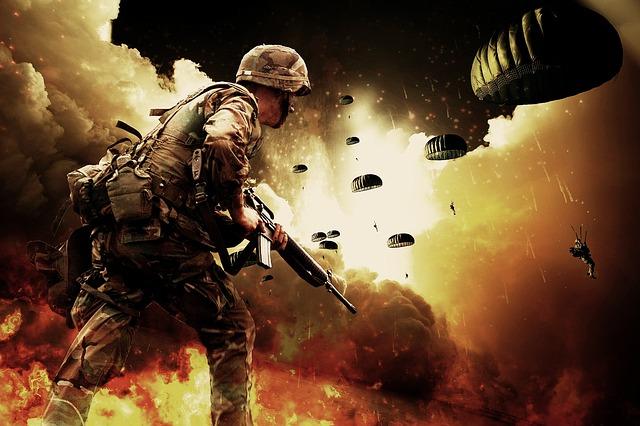
In a strategic move that underscores escalating regional tensions, the United States has reinitiated jungle warfare training exercises in Panama, a location steeped in military history and significance. This revival, aimed at bolstering the readiness of American forces in the face of growing threats in Central and South America, comes as various geopolitical currents shape the landscape of security and defense in the region. With a renewed focus on countering potential adversaries and improving partnerships with local military forces, the U.S. seeks to enhance its operational capabilities in the challenging environments of jungle warfare. This article delves into the implications of these training exercises, the historical context of U.S. military presence in Panama, and the broader ramifications for regional stability and security.
US Reinstates Jungle Warfare Training in Panama to Enhance Military Readiness
The recent decision to reinstate jungle warfare training in Panama highlights the U.S. military’s commitment to adapting its strategies in response to evolving geopolitical challenges. This revitalization of training exercises is seen as essential for maintaining operational readiness in environments that are often unpredictable and hostile. With growing regional tensions, increasing collaborations with Central American nations, and the need for specialized skills in jungle terrains, this strategic move aims to enhance the capabilities of U.S. forces and their allies.
Officials noted that the training will focus on a variety of essential skills, including:
- Survival skills: Techniques for navigating and thriving in dense jungle environments.
- Combat tactics: Specialized approaches tailored to the challenges presented by such terrains.
- Team cohesion: Building trust and coordination among soldiers during high-stress situations.
The initiative is expected to involve not only U.S. troops but also local military personnel, fostering international partnerships and enhancing cooperative defense strategies. The collaborative effort will emphasize shared knowledge and cultural exchange, which are critical for effective joint operations in the region.
Strategic Implications of Enhanced Training Amid Regional Security Challenges
The reinstatement of jungle warfare training in Panama carries significant ramifications for the U.S. military’s operational readiness and geopolitical posture in a region increasingly marked by uncertainty. As tensions rise in neighboring countries, particularly in the wake of a surge in organized armed movements and shifting alliances, enhancing combat prowess in challenging environments allows U.S. forces to maintain a strategic advantage. This renewed focus on specialized training not only equips troops with critical skills for diverse terrains but also reinforces diplomatic ties with Central American nations, positioning the U.S. as a proactive partner amid escalating threats.
Moreover, the training initiative reflects a broader strategy of adaptability and responsiveness to regional dynamics. It highlights the importance of cultivating a versatile military capable of addressing unconventional warfare, which may involve a combination of guerrilla tactics and humanitarian operations. Key strategic implications include:
- Improved Interoperability: Better collaboration with regional allies in joint exercises.
- Enhanced Counter-Insurgency Capabilities: Focused training tailored to local security challenges.
- Deterrence Measures: A clear signal to adversaries about U.S. commitment to regional stability.
Recommendations for Strengthening Collaborations with Latin American Allies
As the United States enhances its military presence and revives jungle warfare training in Panama, it becomes increasingly vital to fortify alliances with Latin American countries. Strengthening these collaborations can foster regional security and create a unified front against common threats. Key strategies include:
- Joint Military Exercises: Organizing regular joint drills with neighboring countries can improve readiness and promote interoperability.
- Cultural Exchange Programs: Facilitating programs that expose military personnel to local customs and languages can enhance communication and trust.
- Intelligence Sharing: Developing robust systems for sharing intelligence on security threats will build a strong network of information and resources.
- Economic Cooperation: Investing in joint infrastructure projects can solidify ties beyond military concerns, contributing to overall regional stability.
Moreover, fostering participation from various sectors is crucial for long-lasting partnerships. Governments should engage local industries, educational institutions, and non-governmental organizations in collaborative initiatives. A potential framework for enhanced engagement could include:
| Engagement Type | Description |
|---|---|
| Defense Cooperation Agreement | Formal agreements focusing on collaborative defense strategies and resource sharing. |
| Training Programs | Joint training initiatives aimed at enhancing military skills and operational strategies. |
| Community Engagement | Involvement of local communities in military initiatives to reinforce trust and support. |
In Conclusion
In conclusion, the revival of jungle warfare training by the U.S. military in Panama underscores the increasing focus on preparedness in a region marked by rising tensions and geopolitical uncertainties. As U.S. forces enhance their capabilities in challenging terrains, this resurgence not only reflects a strategic pivot towards potential conflict scenarios but also signals a commitment to fostering regional partnerships. As nations in Latin America navigate complex security dynamics, the implications of these training exercises could resonate beyond the rainforest, shaping the future of U.S. military engagement and influence in the hemisphere. Moving forward, all eyes will be on how this decision impacts relations with neighboring countries and their response to U.S. military activities in the region.