Caught Between the U.S. and China, the Panama Canal Remains Vital to World Trade
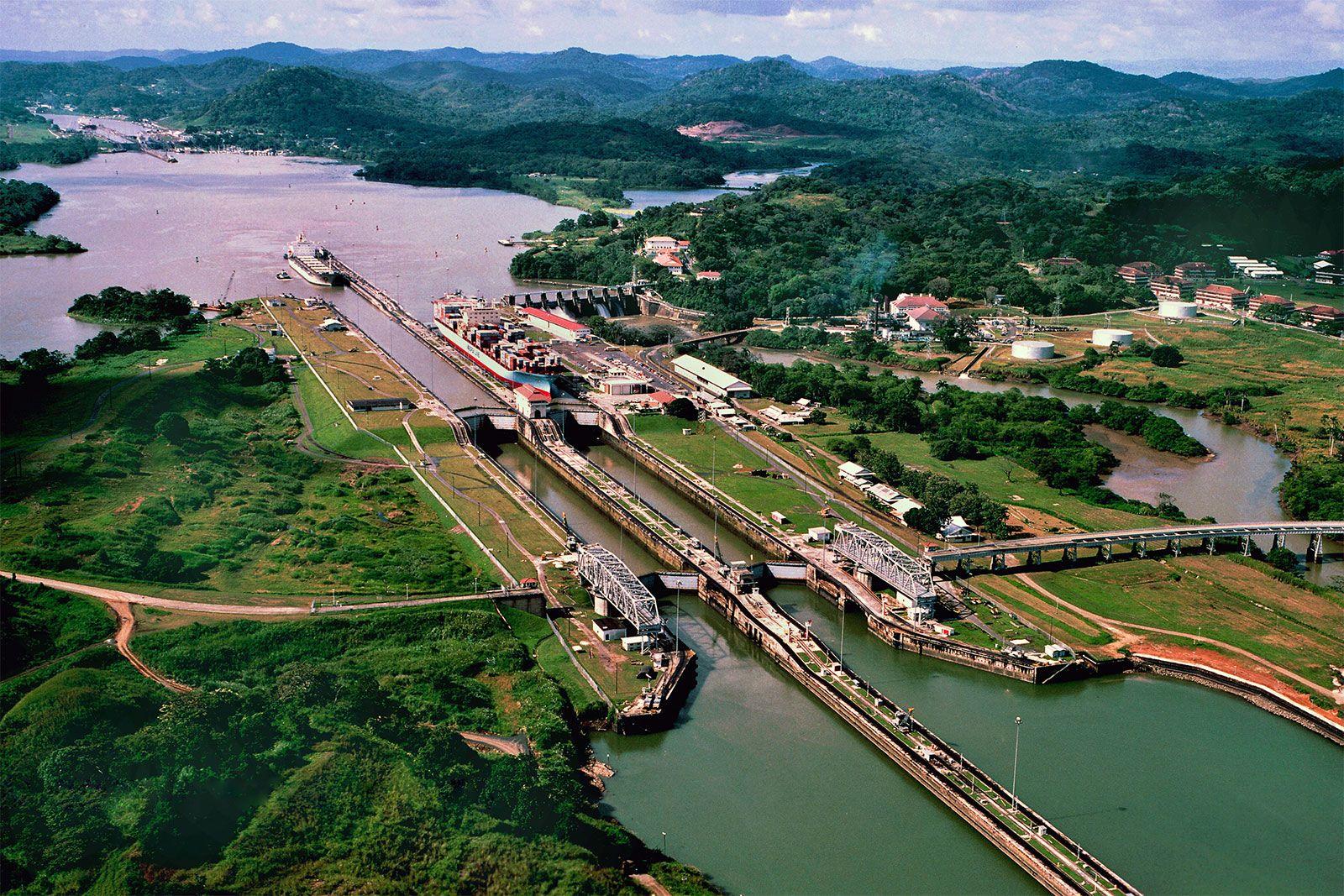
As global trade flows become increasingly intertwined with geopolitical tensions, the Panama Canal stands at a critical crossroads between two of the world’s largest economies: the United States and China. This man-made marvel, which revolutionized maritime transport when it opened in 1914, continues to play an essential role in facilitating the movement of goods and services across the globe. In recent years, however, the canal has found itself at the center of a complex power struggle, as both nations vie for influence and control over trade routes that impact economies worldwide. This article explores the intricate dynamics at play in the Panama Canal, examining its historical significance, current challenges, and the pivotal role it plays in the evolving landscape of international commerce. As tensions mount and competition escalates, understanding the Canal’s significance is more crucial than ever.
The Geopolitical Significance of the Panama Canal in U.S.-China Relations
The Panama Canal stands as a critical chokepoint in global trade, playing a pivotal role not only in the dynamics of maritime logistics but also in the broader context of U.S.-China relations. Control over the canal influences shipping routes, making it a focal point in the ongoing power tussle between these two superpowers. The canal enables ships traveling between the Atlantic and Pacific Oceans to save approximately 8,000 nautical miles, thereby enhancing trade efficiency and reducing costs. As China continues to expand its maritime reach through initiatives such as the Belt and Road Initiative (BRI), the strategic importance of the canal is magnified. American interests, historically protective of the canal, remain vigilant in response to China’s growing influence in Latin America, leading to heightened tensions between the two countries.
Furthermore, the geopolitical significance of the Panama Canal transcends mere economics; it represents a flashpoint of international diplomacy. Key factors influencing its relevance include:
- Trade Volume: A significant percentage of U.S. trade with Asia passes through the canal.
- Military Strategy: Control over maritime routes has direct implications for national security.
- Alliances and Partnerships: Countries in Latin America are being courted by both the U.S. and China.
The following table summarizes the implications of the Panama Canal for both the U.S. and China:
| Aspect | U.S. Position | China’s Approach |
|---|---|---|
| Influence | Maintaining historical control and partnerships | Expanding economic ties through investments |
| Strategic Importance | Key military shipping route | Enabling faster access to Western markets |
| Diplomatic Relations | Strengthening alliances with Central America | Building connections with Caribbean nations |
Challenges Facing the Panama Canal Amid Rising Global Trade Demands
The Panama Canal, a critical artery for global maritime commerce, is currently grappling with a series of challenges that threaten its operational efficiency and ability to meet rising trade demands. As the U.S. and China continue to compete for dominance in global markets, shipping routes through the canal have become increasingly congested. Factors contributing to this congestion include:
- Increased Container Ship Sizes: The advent of ultra-large container vessels has overwhelmed the existing infrastructure.
- Climate Change: Alterations in weather patterns are affecting water levels in Gatun Lake, which is essential for canal operations.
- Labor Disputes: Ongoing labor negotiations and strikes can disrupt shipping schedules and increase costs.
Moreover, investment in canal infrastructure has not kept pace with the burgeoning demand. With the growing trend of globalization and the rise of e-commerce, the necessity for faster and more reliable shipping routes is paramount. To illustrate the impact of these challenges, the following table displays the projected shipping volume through the canal over the next few years:
| Year | Projected Ships | Average Wait Time (Hours) |
|---|---|---|
| 2023 | 14,000 | 15 |
| 2024 | 15,500 | 18 |
| 2025 | 16,500 | 20 |
This projected increase underscores the urgency for the canal authorities to invest in upgrades and innovative solutions to alleviate congestion and enhance capacity. The viability of the Panama Canal as a pivotal conduit for international trade hangs in the balance as it navigates these complex challenges.
Strategic Recommendations for Strengthening the Canal’s Role in International Commerce
To fortify the Panama Canal’s critical position in global trade, stakeholders must adopt a multi-faceted approach focused on technological enhancement and infrastructure investment. Prioritizing the modernization of existing facilities will not only improve transit efficiency but also adapt the canal to the increasing demands of larger vessels. Initiatives such as investing in advanced navigational systems and expanding digital port management tools will streamline operations, reduce wait times, and enhance the overall user experience. Moreover, fostering partnerships with both U.S. and Chinese shipping companies can ensure a steady flow of traffic through the canal, benefiting all parties involved.
Additionally, strengthening diplomatic ties with key trading nations is essential for promoting the canal as a pivotal trade route. Establishing a coalition of stakeholders-including maritime authorities, shipping companies, and government entities-can facilitate discussions around capacity enhancements and tariff agreements that favor bilateral trade. Furthermore, implementing sustainable practices will not only heighten the canal’s appeal to environmentally conscious entities but also align with global initiatives aimed at reducing carbon footprints. This strategic positioning can solidify the canal’s relevance in international commerce, ensuring it remains a linchpin for global trade in an increasingly competitive environment.
In Retrospect
In conclusion, the Panama Canal stands as a critical nexus in the evolving landscape of global trade, navigating the complex dynamics between the United States and China. As supply chains shift and geopolitical tensions rise, the canal’s strategic importance cannot be overstated. It serves not only as a vital passage for maritime commerce but also as a reflection of the broader economic interplay between two of the world’s leading powers. As we move forward, the ongoing developments surrounding the Panama Canal will likely shape trade patterns and diplomatic relations for years to come, underscoring its pivotal role in the intricate web of international trade. Keeping a close watch on this essential waterway will be crucial as nations adapt to the challenges and opportunities of a rapidly changing global economy.