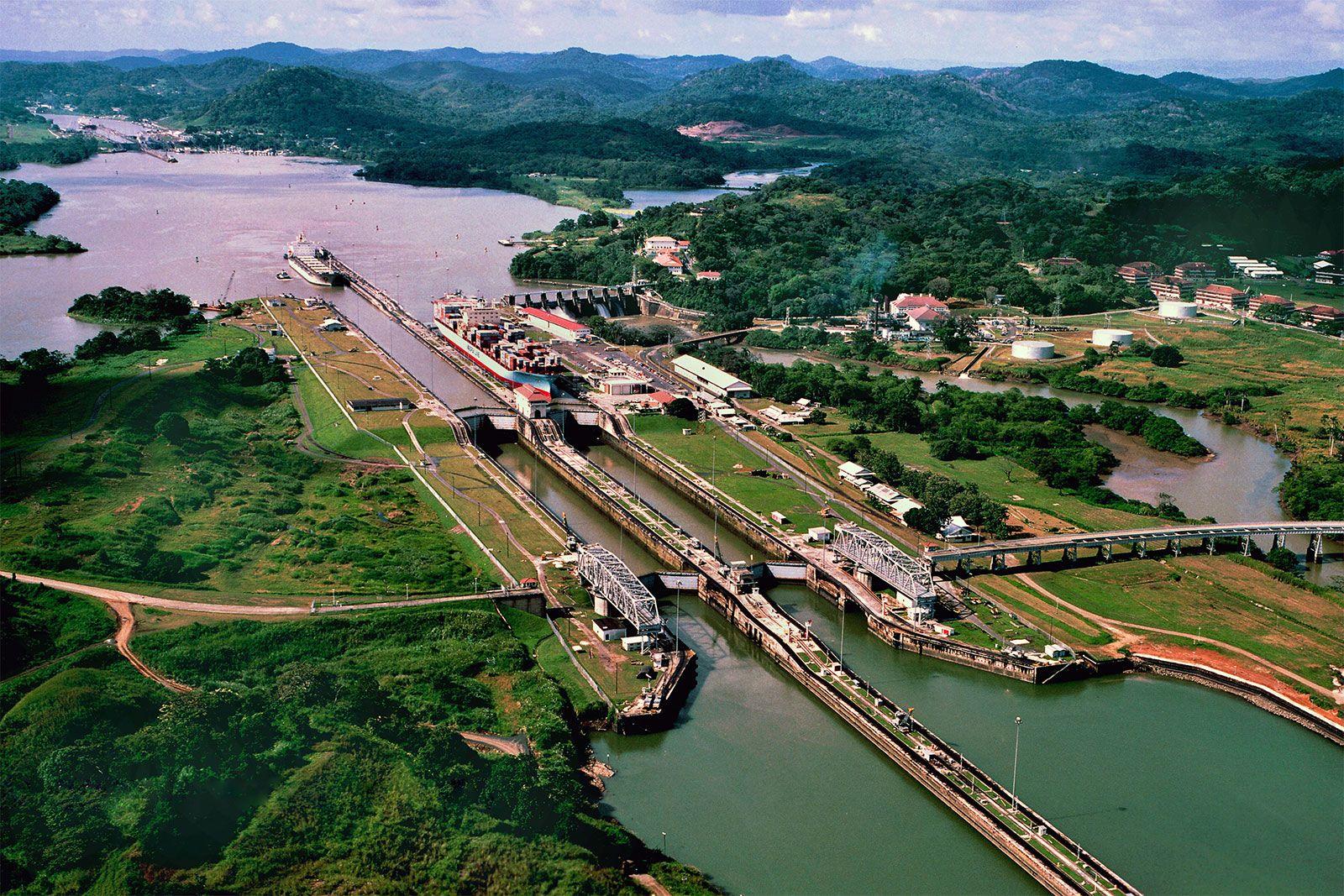
Securing the Panama Canal Requires Diplomacy: A Crucial Imperative for the Americas
As one of the most vital maritime corridors in the world, the Panama Canal stands at a crossroads of global trade, bridging the Atlantic and Pacific Oceans. However, increasing geopolitical tensions, environmental concerns, and the ongoing impacts of climate change have underscored the critical need for a robust diplomatic framework to safeguard its operations and security. In this article, we explore the multifaceted challenges facing the canal-a lifeline for economic activity in the Americas-and examine how nations can collaborate to ensure its continued functionality. From fostering international partnerships to addressing infrastructure vulnerabilities, the future of the Panama Canal depends not only on effective management but also on a concerted diplomatic effort that balances regional interests with global imperatives. This is not merely about maintaining a transport route; securing the Panama Canal is essential for the stability and prosperity of the entire hemisphere.
Strategies for Multilateral Engagement to Enhance Canal Security
Enhancing security for the Panama Canal demands a well-coordinated approach that emphasizes collaboration among key stakeholders. By fostering relationships with local and regional governments, international organizations, and private sector partners, several strategies can be implemented to fortify canal security. These could include:
- Joint Military Exercises: Regular drills to improve preparedness and coordination among involved nations.
- Intelligence Sharing: Establishing robust platforms for the exchange of critical information related to potential threats.
- Economic Incentives: Offering trade benefits to countries that actively participate in enhancing canal security measures.
- Conflict Resolution Mechanisms: Creating diplomatic channels to address disputes before they escalate into security threats.
In addition to these actions, establishing a comprehensive international security framework tailored for the canal is paramount. A multi-nation treaty could provide a foundation for long-term commitments while also addressing regional security concerns. Critical components of such a framework may consist of:
| Component | Description |
|---|---|
| Monitoring Systems | Deploying advanced surveillance technology to monitor maritime activities. |
| Risk Assessments | Conducting periodic assessments to identify new vulnerabilities. |
| Community Engagement | Involving local communities in security initiatives to foster cooperation. |
The Role of Regional Powers in Stabilizing Maritime Trade Routes
In the complex landscape of maritime trade, regional powers play a pivotal role in ensuring the stability and security of vital waterways such as the Panama Canal. These nations, equipped with strategic geographic advantages and regional influence, can foster collaborations aimed at safeguarding trade routes. Diplomatic engagements can enhance cooperative frameworks, focusing on issues such as anti-piracy efforts, environmental protection, and infrastructure development. By establishing agreements that bolster trade resilience, these powers not only enhance their own economic security but also contribute to the broader stability of global markets.
To effectively navigate the challenges presented by geopolitical tensions and economic competition, a multifaceted approach is essential. Regional powers can leverage their influence in the following ways:
- Facilitating Dialogue: Engaging in multilateral discussions with stakeholders to address security concerns and economic interests.
- Strengthening Alliances: Forming partnerships with neighboring countries to share intelligence and resources.
- Enhancing Infrastructure: Investing in port facilities and shipping technologies to improve efficiency and security.
Building a cooperative regional framework not only mitigates risks associated with maritime trade but also ensures that the vital functions of the Panama Canal remain uninterrupted, reflecting the importance of diplomacy in maintaining trade security.
Building Trust: The Importance of Transparent Communication in Diplomatic Efforts
In the intricate weave of international relations, transparent communication serves as the backbone of diplomatic initiatives, especially in contexts as critical as the Panama Canal. The management of such a vital waterway not only affects trade routes but also escalates geopolitical significance among nations. By fostering an environment where all stakeholders can openly discuss their needs and concerns, diplomatic dialogues become more effective in addressing the multifaceted challenges associated with the canal. This openness diminishes suspicion and reduces the potential for conflicts, paving the way for collaborative solutions that benefit all parties involved.
Moreover, a commitment to clear and honest dialogue helps in building mutual respect and understanding. Stakeholders can harness this trust to engage in joint initiatives, such as:
- Environmental Protection: Collaborating on sustainability efforts to protect the surrounding ecosystems.
- Security Measures: Coordinating maritime safety and security to enhance safe passage for international vessels.
- Economic Partnerships: Creating frameworks for investment that can foster growth in the region.
Ultimately, transparent communication stands as a crucial pillar that not only promotes harmony but also secures a future where the Panama Canal continues to thrive as a global trade conduit.
The Conclusion
In conclusion, securing the Panama Canal demands a multifaceted approach that prioritizes diplomacy over mere military might. As the strategic waterway continues to play a pivotal role in global trade and geopolitics, stakeholders must navigate the delicate balance of cooperation and competition. The future of the Canal, and by extension, the economies that depend on it, hinges on the ability of nations to engage in constructive dialogue and forge resilient partnerships. As we move into an increasingly interconnected world, the lessons drawn from the diplomatic efforts surrounding the Panama Canal will be crucial not only for regional stability but also for the broader international community. The task ahead is formidable, but through sustained diplomatic engagement, a secure and prosperous future for the Panama Canal is within reach.