
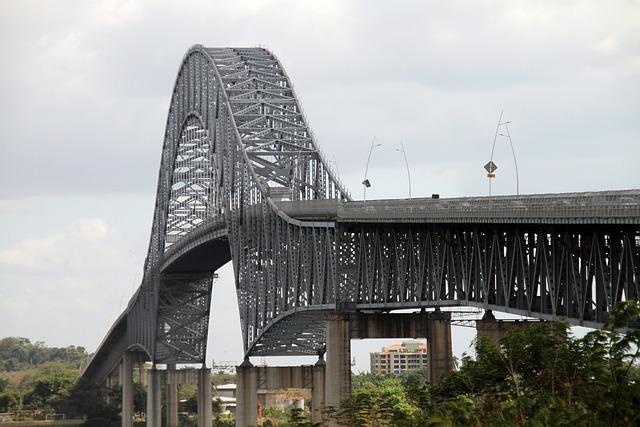
In the ever-evolving landscape of global geopolitics, the ongoing tensions between the United States and China have cast a sharp spotlight on pivotal maritime chokepoints, with the Panama Canal emerging as a focal point of strategic significance. As both superpowers vie for dominance in trade, technology, and influence, the canal-a crucial artery for international shipping-has become an indispensable asset that underscores broader concerns over supply chain security and geopolitical leverage. This article delves into how the escalating US-China tussle highlights the Panama Canal’s unparalleled importance in maintaining economic vitality and stability in the region, and examines the implications for global commerce as these two economic juggernauts navigate their fraught relationship.
US-China Rivalry Intensifies with Panama Canal at the Center of Geopolitical Tensions
The Panama Canal, a pivotal maritime conduit, has taken center stage in the escalating competition between the United States and China. As both nations vie for influence in Central America, the strategic importance of this waterway cannot be underestimated. China’s investments in the region, exemplified by their partnerships and infrastructure projects, have raised concerns in Washington. The U.S. fears that a strengthening Chinese presence in Panama might lead to greater control over the canal, which is not only essential for global trade but also for military logistics. The geopolitical implications are profound, as this tension could alter the balance of power in the Western Hemisphere.
In response, the U.S. is recalibrating its foreign policy strategies, highlighting the need for renewed engagement with Latin American nations. The American administration has initiated efforts such as bilateral trade agreements and investment initiatives aimed at countering China’s growing influence. Key strategies include:
- Enhanced diplomatic presence in Central America
- Development assistance programs focused on infrastructure
- Security partnerships to bolster regional stability
As the rivalry unfolds, it poses a critical challenge for Panama, which must navigate the competing interests of both superpowers while preserving its sovereignty. In light of this dynamic, the canal’s role as a facilitator of not just commerce, but also international politics, has never been more evident.
Strategic Implications of the Panama Canal for Global Trade and Military Maneuvers
The Panama Canal stands as a pivotal artery in the global trade network, significantly impacting the shipping routes between the Atlantic and Pacific Oceans. For the United States, control over this crucial infrastructure has historically provided strategic advantages, allowing for the rapid deployment of military assets in response to geopolitical threats or conflicts. The ongoing competition with China highlights the need for both nations to secure influence in this area, considering that approximately 5% of global trade transits through the canal daily. The canal’s significance in shaping naval strategies cannot be understated, as it enables rapid logistical support and operational readiness in diverse theaters of conflict.
China’s Belt and Road Initiative (BRI) emphasizes its interest in strengthening maritime trade routes, raising concerns in Washington regarding the potential for increased Chinese military presence in the region. The implications of this rivalry could reshape trade routes and methods, as both countries might seek to enhance their naval capabilities and establish strategic partnerships with countries that have access to vital waterways. Key factors influencing the strategic implications of the Panama Canal include:
- The volume of trade: A significant share of U.S. imports and exports passes through the canal, making it a critical chokepoint.
- Military logistics: The canal’s role in facilitating swift military movements ensures readiness in times of conflict.
- Geopolitical alliances: Engagements with Central American nations become crucial for securing aligned interests against rival powers.
| Country | Strategic Interest | Canal Usage (%) |
|---|---|---|
| United States | Military readiness, Trade routes | 60% |
| China | Trade expansion, Maritime influence | 15% |
| Panama | Economic growth, Sovereignty | 25% |
Recommendations for Strengthening US Maritime Strategies Amidst Rising Competition
In light of the intensifying rivalry between the United States and China, enhancing maritime strategies is imperative for ensuring the resilience of U.S. interests in strategic waterways. The U.S. must prioritize investments in port infrastructure and the modernization of its naval fleet to maintain a competitive edge. Furthermore, fostering stronger partnerships with regional allies will be crucial. Strategies should include:
- Joint naval exercises to bolster interoperability.
- Intelligence-sharing agreements to enhance situational awareness.
- Cooperative infrastructure projects to mitigate China’s Belt and Road Initiative influence.
Moreover, the U.S. should consider advocating for a comprehensive freedom of navigation policy that not only asserts its military presence but also promotes commercial maritime freedom. This could be supported by a multilateral agreement among ASEAN nations to collectively address South China Sea tensions. Implementing these measures not only aids in countering unilateral assertions but also:
| Benefits | Impact |
|---|---|
| Enhanced Maritime Security | Reduced threat from aggressive naval posturing |
| Increased Trade Stability | More predictable shipping routes |
By adopting these initiatives, the U.S. can fortify its maritime strategies and safeguard its enduring interests amidst a rapidly changing geopolitical landscape.
Final Thoughts
As the geopolitical rivalry between the United States and China intensifies, the strategic significance of the Panama Canal is brought into sharp focus. This critical waterway not only facilitates global trade but also serves as a strategic asset in the broader context of international relations. With both nations increasingly competing for influence in Latin America and beyond, the canal’s role as a conduit for military and economic power cannot be overstated.
As developments continue to unfold, the future of the Panama Canal remains intertwined with the shifting dynamics of US-China relations. Policymakers, business leaders, and international observers must keep a close eye on this vital artery, recognizing its potential to shape the contours of global commerce and diplomacy in the years to come. The escalating tussle between these two superpowers serves as a reminder of the interconnectedness of our world and the critical importance of strategic chokepoints in an era marked by competition and collaboration.









