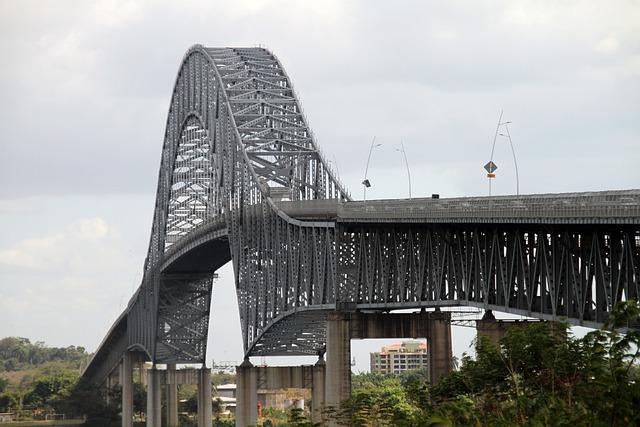
Introduction
In a significant turn of events underscoring the deepening geopolitical tensions between the United States and China, a recent port dispute has re-energized discussions surrounding the Panama Canal, a critical maritime artery for global trade. As negotiations falter and stakeholders clash over control and access to key shipping routes, the historical significance of the canal resurfaces amid the backdrop of a modern rivalry. With both superpowers vying for influence in the region, the implications of this dispute extend far beyond the shores of Panama, highlighting the strategic importance of the canal in the ever-evolving landscape of US-China relations. This article delves into the complexities of the current standoff, examining how the Panama Canal has once again become a focal point in the intricate dynamics of global power struggles.
Port Disruptions Amplify Geopolitical Tensions in the Panama Canal
Recent disputes over port operations have underscored the strategic importance of the Panama Canal amid escalating tensions between global superpowers. The canal has long been a vital conduit for maritime trade, connecting the Atlantic and Pacific Oceans, and its management complexities have drawn scrutiny from both the United States and China. In recent months, various conflicts have arisen over labor practices and shipping delays, causing significant ripple effects in international trade dynamics. As congestion builds, analysts warn that such disruptions could exacerbate existing geopolitical rivalries, leading to a re-evaluation of shipping routes and trade partnerships.
Key factors contributing to the heightened tensions include:
- Economic Dependencies: Many countries heavily rely on the canal for shipping goods, thus increasing vulnerability to disruptions.
- Investment Interests: China’s Belt and Road Initiative has deepened its involvement in Panama, intensifying competition with U.S. interests.
- Labor Strikes: Port workers’ strikes related to wage disputes have further created uncertainties in shipping schedules.
As these issues unfold, stakeholders are left to navigate a precarious landscape. The repercussions may not only impact shipping lines and port operators but could also shift alliances and influence regional stability. In this context, the Panama Canal finds itself at the crossroads of international commerce and geopolitical maneuvering.
| Key Players | Impact of Disruptions |
|---|---|
| United States | Focus on maintaining influence in Central America. |
| China | Seeking strategic footholds through investments. |
| Panamanian Government | Balancing economic growth and labor rights. |
Impacts on Global Trade Routes and Economic Implications for the US and China
The ongoing dispute at the Panama Canal has significant repercussions on global trade routes, particularly affecting the economies of the United States and China. With the canal being a pivotal transit point for maritime shipping, delays and increased tariffs could ripple through supply chains, leading to higher costs of imports and exports for both nations. Key factors include:
- Increased Transportation Costs: Shipping routes may lengthen, driving up fuel and operational expenses.
- Supply Chain Disruptions: Industries reliant on timely deliveries, including technology and consumer goods, face potential slowdowns.
- Impact on Trade Balances: The U.S. and China could see shifts in trade balances as they grapple with the rising costs.
Moreover, the economic implications extend to geopolitical strategies as both superpowers navigate the challenge. The following table summarizes the current state of trade flows through the Panama Canal, highlighting key commodities impacted by the dispute:
| Commodity | Trade Volume (in million tons) | Impact of Dispute |
|---|---|---|
| Corn | 4.5 | Potential delays in shipments could lead to increased prices in U.S. markets. |
| Electronics | 3.2 | Supply chain interruptions may result in product shortages and delays. |
| Crude Oil | 10.1 | Transport routes may shift, affecting global oil prices and import costs. |
Strategic Recommendations for Navigating the Evolving Maritime Landscape
As the geopolitical tensions between the United States and China continue to shape global trade dynamics, stakeholders must adopt a multifaceted strategy to effectively navigate the complexities of the maritime sector. To mitigate risks and enhance operational efficiency, it is crucial to:
- Invest in Infrastructure: Upgrading port facilities and enhancing supply chain capabilities can streamline operations, reduce bottlenecks, and improve resilience against geopolitical disruptions.
- Diversify Trade Routes: Exploring alternative shipping lanes and establishing partnerships with regional ports can minimize dependency on congested routes, such as the Panama Canal.
- Embrace Technological Innovation: Leveraging advancements in AI and blockchain can optimize logistics, enhance transparency, and facilitate quicker response to changing market conditions.
- Engage in Diplomatic Outreach: Building relationships with key stakeholders in both the U.S. and China can foster dialogue and potentially mitigate tensions that affect maritime operations.
In addition, stakeholders should consider implementing a robust risk management framework that includes:
| Risk Area | Mitigation Strategies |
|---|---|
| Supply Chain Disruptions | Develop contingency plans, secure multiple suppliers. |
| Regulatory Changes | Stay informed on trade policies, advocate for favorable regulations. |
| Cyber Threats | Invest in cybersecurity measures and staff training. |
By proactively addressing these areas, stakeholders can better position themselves in a rapidly shifting maritime landscape, ensuring they remain competitive and resilient amidst ongoing global uncertainties.
The Way Forward
In conclusion, the recent port dispute at the Panama Canal underscores the strategic importance of this vital waterway within the broader context of U.S.-China rivalry. As tensions escalate and both nations vie for influence in Latin America, the implications for global trade and geopolitical alliances could be profound. Stakeholders across the spectrum, from shipping companies to policymakers, will need to navigate these complexities carefully as they adapt to the changing dynamics of international relations. The saga of the Panama Canal serves as a stark reminder of how historical trade routes can quickly become focal points in modern geopolitical contests, highlighting the intertwined fates of nations in an increasingly multipolar world. As events unfold, the global community will be watching closely, with the potential for further escalations or negotiations shaping the future of trade and diplomacy in the region.