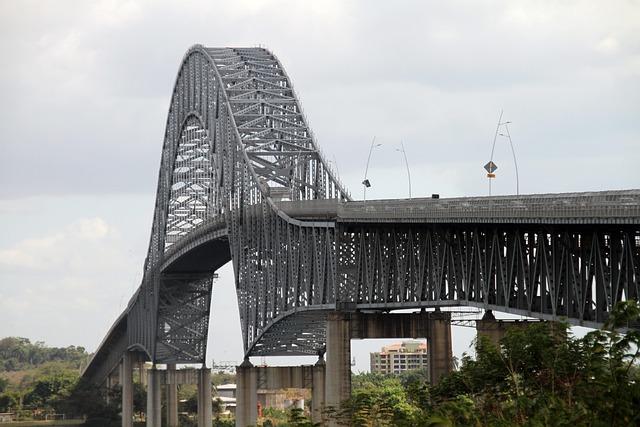
Panama Outlines Schedule for US$8.5bn Canal Expansion Plan
Panama City, Panama – In a significant move aimed at enhancing its strategic maritime infrastructure, the Panamanian government has unveiled a detailed schedule for its ambitious US$8.5 billion expansion plan for the Panama Canal. The project, which seeks to modernize and expand the canal’s capacity to accommodate larger vessels, is seen as a crucial step in bolstering the nation’s economy and reaffirming its position as a vital global shipping hub. With international trade dynamics shifting and increasing demand for container shipping, this plan is set to redefine the operational landscape of one of the world’s most important waterways. The announcement comes amidst rising competition from other global ports and underscores Panama’s commitment to maintaining its pivotal role in global commerce. As stakeholders prepare for the ambitious undertaking, the implications for trade, investment, and regional development are poised to be significant.
Panama Unveils Ambitious US$8.5 Billion Plan to Enhance Canal Efficiency
The government of Panama has unveiled a comprehensive plan valued at US$8.5 billion aimed at enhancing the efficiency and capacity of the Panama Canal. This initiative is pursued in response to an increasing demand for maritime transport and the need to streamline operations. The plan focuses on several key components, each designed to bolster the canal’s operational framework, including:
- Infrastructure Upgrades: Extensive renovations and expansions of key canal infrastructures, including locks and navigational aids.
- Technological Innovations: Implementation of state-of-the-art monitoring and communication systems for real-time operational management.
- Environmental Sustainability: Initiatives to protect surrounding ecosystems while improving efficiency, including water conservation measures.
The execution of the plan is set against a strategic timeline, with several phases outlined for implementation over the next decade. The government has earmarked funds to support immediate upgrades, with subsequent allocations tailored towards long-term enhancements. A breakdown of the phased approach is as follows:
| Phase | Target Year | Investment (US$ billion) |
|---|---|---|
| Phase 1: Initial Upgrades | 2024 | 2.5 |
| Phase 2: Technology Integration | 2026 | 3.0 |
| Phase 3: Sustainability Initiatives | 2028 | 3.0 |
Key Features and Expected Impacts of Panama’s Canal Expansion Project
The Panama Canal Expansion Project is poised to enhance the capacity and efficiency of one of the world’s most vital trade routes. Key features of this ambitious $8.5 billion initiative include:
- Wider Locks: The construction of a new set of locks will allow larger vessels, known as New Panamax or Neo-Panamax ships, to transit the canal.
- Increased Capacity: The expansion is expected to double the canal’s capacity, accommodating up to 14,000 twenty-foot equivalent units (TEUs).
- Modernized Infrastructure: Upgraded facilities and navigation systems will enhance safety and efficiency during transit.
- Environmental Considerations: Efforts include mitigating ecological impacts and improving water management within the canal zone.
This transformational project is anticipated to have significant impacts on global trade dynamics. With the ability to handle larger vessels, the canal’s expansion is expected to:
- Boost Trade Efficiency: Reduced shipping times due to fewer port calls and streamlined operations.
- Lower Freight Costs: Economies of scale from transporting larger cargo loads will likely drive down shipping costs.
- Attract New Shipping Lines: The enhanced capabilities are expected to encourage more shipping companies to utilize the canal.
- Stimulate Economic Growth: Increased traffic could lead to job creation and investment in related sectors, such as logistics and tourism.
Strategic Recommendations for Stakeholders in the Regional Maritime Industry
As stakeholders navigate the implications of Panama’s ambitious US$8.5 billion canal expansion plan, a collective strategic approach is essential for optimizing operational efficiency and capitalizing on emerging opportunities. Key recommendations include:
- Investment in Infrastructure: Stakeholders should prioritize investments in ancillary infrastructure, such as transportation and logistics facilities, to support increased maritime traffic.
- Collaboration with Port Authorities: Establishing partnerships with local port authorities will enhance resource allocation and promote sustainable practices.
- Training and Workforce Development: Engaging in workforce training programs can help meet the evolving skill requirements of the industry, ensuring a competent labor pool.
- Technology Adoption: Leveraging cutting-edge technologies such as AI and IoT will improve operational efficiency and reduce delays in shipping processes.
Furthermore, stakeholders should actively engage in policy dialogue to influence regulations that impact the maritime sector. By advocating for policies that promote transparency and international cooperation, the region can position itself as a competitive maritime hub. The following table summarizes potential areas of focus for stakeholder collaboration:
| Focus Area | Potential Impact |
|---|---|
| Environmental Sustainability | Mitigating ecological impact and ensuring compliance with international standards. |
| Supply Chain Optimization | Enhancing efficiency and reducing costs through integrated logistics solutions. |
| Regulatory Advocacy | Shaping favorable policies that enhance competitiveness in global markets. |
| Innovation and R&D | Driving technological advancements to maintain relevance in a rapidly evolving industry. |
To Conclude
In conclusion, Panama’s ambitious US$8.5 billion plan for the expansion and modernization of its canal infrastructure marks a significant milestone in the nation’s economic development strategy. With a carefully outlined schedule that aims to enhance operational efficiency and increase capacity, the initiative not only underscores Panama’s pivotal role in global trade but also reflects its commitment to maintaining the canal’s status as a vital maritime artery. As the project unfolds, stakeholders will be closely monitoring the impacts on both local communities and international commerce, paving the way for a new chapter in the storied history of the Panama Canal. The global shipping industry and investors alike will be keen to see how these developments shape the competitive landscape in the years to come.