
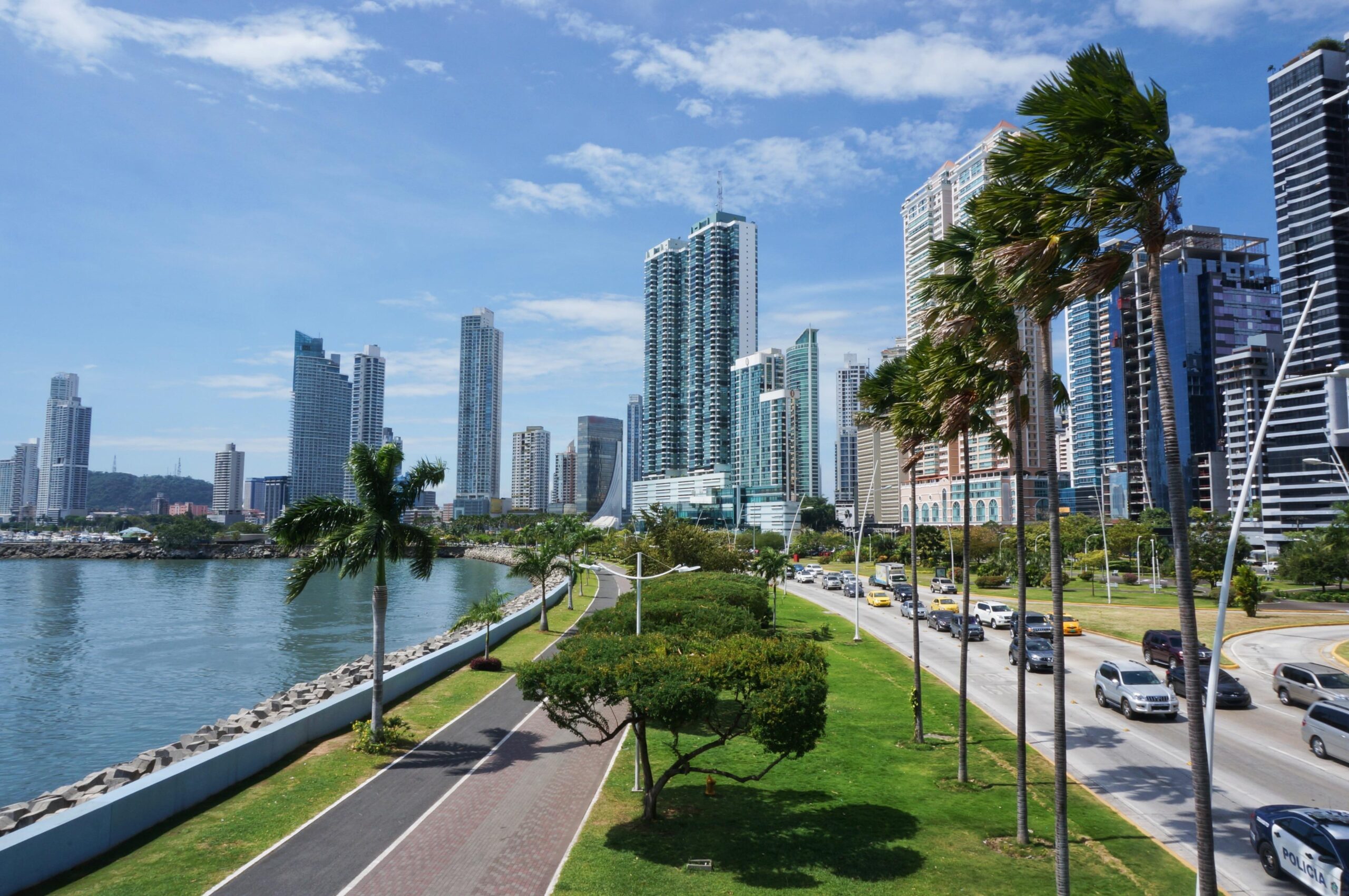
In recent weeks, Panama has found itself at the center of a geopolitical tug-of-war as the United States intensifies efforts to curb China’s expanding influence over the crucial Panama Canal. This vital waterway, which serves as a key conduit for global maritime trade, has become a focal point in the broader rivalry between the two superpowers. With Panama’s strategic location and its economic ties to both nations, the situation has heightened tensions within the isthmus, raising questions about sovereignty, security, and the future of international relations in the region. As the U.S. ramps up its diplomatic and economic initiatives, many Panamanians are left wondering how this struggle for influence will impact their daily lives and the prospects for the country’s continued development.
Panama’s Strategic Position in Global Geopolitics Amid Rising US-China Tensions
As global tensions between the United States and China escalate, Panama finds itself at a crucial crossroads, enhancing its role on the international stage. The country’s control over the Panama Canal-a vital maritime artery-positioned it as a focal point for U.S. strategic interests aiming to counteract China’s growing influence in Latin America. This increasingly competitive dynamic has prompted various initiatives, including the strengthening of military and economic ties between Panama and the United States, encouraging investment in infrastructure, and revamping security agreements. Key factors amplifying Panama’s geopolitical significance include:
- Geographical location: The canal connects the Atlantic and Pacific Oceans, serving as a shortcut for global trade.
- Economic reliance: The canal generates substantial revenue, with approximately 5% of global trade passing through it.
- Political alignments: Panama’s shifting diplomatic relationships may influence regional power structures.
In recent months, the U.S. has ramped up efforts to maintain the canal’s operational integrity, wary of China’s expanding reach through investments and partnerships. In response, Panama is leveraging its strategic importance to negotiate better terms of trade and security assistance from Washington. Furthermore, this geopolitical tug-of-war is reflected in various infrastructural projects aimed at enhancing the canal’s capacity. The table below illustrates recent investments and their implications:
| Investment Project | Estimated Cost (USD) | Expected Completion | Impact on Trade |
|---|---|---|---|
| Canal Expansion | $5.25 billion | 2025 | Increase in capacity by 30% |
| Port Upgrades | $2 billion | 2024 | Faster logistic times for container ships |
| Security Enhancements | $500 million | 2023 | Improved safety for shipping routes |
Economic Implications of US Interventions on Panama’s Trade and Infrastructure
The recent shift in U.S. foreign policy towards Panama, primarily aimed at countering China’s growing influence, holds significant economic ramifications for the nation. With the Panama Canal as a crucial asset, the U.S. has the potential to reshape trade routes and supply chain dynamics throughout the region. Key economic implications include:
- Increased Trade Opportunities: Enhanced U.S. investments in local infrastructure could strengthen maritime logistics and boost exports, positioning Panama as a central hub for international trade.
- Foreign Investment Changes: As the U.S. administration intensifies its focus on Panama, local businesses may attract attention from American investors, potentially leading to higher capital inflows.
- Currency Stability: A closer alignment with the U.S. could stabilize the Panamanian economy, which uses the U.S. dollar, fostering an environment conducive to financial growth.
However, U.S. interventions also pose risks, particularly regarding Panama’s sovereign control over its resources and strategic assets. As American interests begin to dominate, there may be adverse effects such as:
- Infrastructural Dependence: An overreliance on U.S. aid and investment may limit Panama’s autonomy in making strategic decisions about its infrastructure projects.
- Geopolitical Tensions: Panama could find itself caught in a tug-of-war between superpowers, leading to possible disruptions in trade and investment initiatives if relations with China sour.
- Domestic Economic Disparities: Disparities may widen if certain regions benefit disproportionately from U.S. investments, creating socio-economic challenges fueled by unequal growth.
| Aspect | Potential Impact |
|---|---|
| Increased Trade | Stronger global trade networks |
| Investment Flows | Attractive new opportunities for businesses |
| Control Over Assets | Risk of diminished national sovereignty |
| Socio-Economic Effects | Possibility of heightened inequalities |
Strengthening Sovereignty: Recommendations for Panama in Balancing Foreign Influences
As Panama navigates the complexities of shifting geopolitics, a proactive approach is essential to strengthen its sovereignty and minimize external influences. The nation should consider implementing measures that enhance local governance and foster economic resilience. Investing in education and technology can empower the younger population, equipping them with the skills needed for a modern economy. Additionally, promoting local businesses through incentives can help reduce dependency on foreign enterprises and encourage domestic growth. Public forums to engage citizens in policy discussions are also crucial, allowing Panamanians to voice their concerns and collaborate on national priorities.
Furthermore, Panama must leverage its strategic geographical position to cultivate balanced relationships with both the US and China, rather than aligning too closely with one at the expense of the other. Establishing bilateral trade agreements that benefit both parties while protecting local interests can mitigate undue foreign pressure. Another recommendation is to enhance diplomatic ties with regional partners to create a broader alliance that can collectively address potential threats. By prioritizing sovereignty and actively managing foreign influences, Panama can ensure a stable future for its citizens while maximizing its unique geopolitical advantages.
Final Thoughts
In conclusion, the geopolitical tensions surrounding Panama’s strategic canal have intensified as the United States moves to counteract China’s growing influence in the region. With both nations vying for greater control and partnership, the stakes are high for Panamanian sovereignty and economic stability. As the situation continues to evolve, the global community watches closely, recognizing that the future of the Panama Canal extends far beyond its borders, influencing international trade routes and power dynamics. Policymakers in Panama must navigate this precarious landscape, balancing relationships with both superpowers while safeguarding the interests of their own nation. As the U.S. and China deepen their rivalry, the implications for Panama-and the broader geopolitical landscape-are profound and far-reaching.











