Panama in China-US Strategic Competition: A New Battleground in the Asia-Pacific
As the geopolitical landscape of the Asia-Pacific region continues to shift amid rising tensions between the United States and China, Panama has emerged as an unexpected focal point in this strategic rivalry. Once primarily viewed as a key transit hub for global trade, the Central American nation is now being courted by both superpowers, each seeking to enhance its influence in a pivotal region. The significance of Panama is underscored by its critical geographic location and the strategic importance of the Panama Canal, a vital artery for maritime commerce that connects the Atlantic and Pacific Oceans. In this article, we delve into how Panama’s growing role in China-US strategic competition reflects broader regional dynamics and the implications for international relations in the Asia-Pacific. As both nations vie for partnerships and economic ties, the choices made by Panama could reshape the balance of power in an increasingly interconnected world.
Panama’s Strategic Geopolitical Position in the China-US Tug-of-War
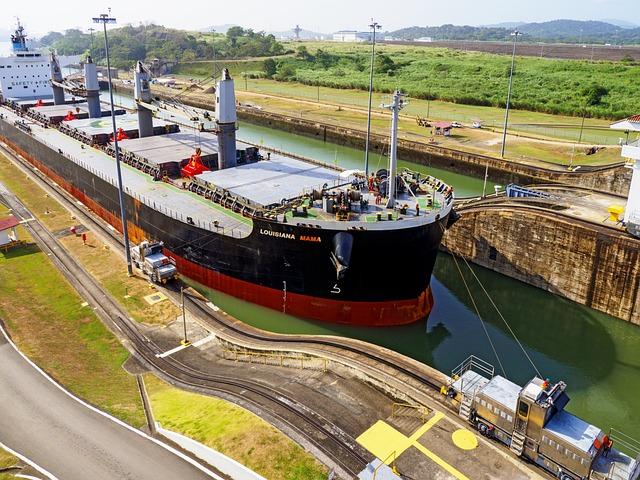
Pushed into the limelight by its geographical advantage, Panama stands at the epicenter of geopolitical maneuvering between China and the United States. This small Central American nation, known for the iconic Panama Canal, serves as a critical transit point for global trade routes. The canal’s expansion has increased its significance, enabling larger vessels to traverse the waterway, thereby enhancing Panama’s economic leverage. As both superpowers seek to influence the region, Panama is capitalizing on its position, attracting investments and infrastructure projects aimed at bolstering its economy while navigating the competing interests of Washington and Beijing.
Both China and the United States are vying for Panama’s loyalty, implementing diverse strategies to secure its favor. This tug-of-war manifests through various means, including:
- Investment in Infrastructure: China has been active in funding large-scale infrastructure projects, from highways to ports, enhancing trade connectivity.
- Diplomatic Engagement: The United States is working to fortify existing partnerships by increasing diplomatic presence and promising aid for development projects.
- Security Cooperation: Both nations are extending security assistance, with the U.S. emphasizing counter-narcotics support, while China offers technology and training.
As Panama deftly treads the line between these two powers, it is poised not only to harness immediate economic benefits but also to influence broader regional dynamics. The outcome of this strategic competition will likely impact global trade patterns and international alliances, as other nations in the region observe and respond to Panama’s balancing act.
Economic Implications of Panama’s Growing Ties with China
The strengthening of Panama’s relations with China marks a significant pivot in the Central American nation’s economic landscape. By establishing itself as a key partner in China’s Belt and Road Initiative, Panama stands to gain substantial economic benefits, including increased investment and infrastructure development. This partnership paves the way for numerous projects such as:
- Port Development: Enhanced facilities at the Panama Canal to accommodate larger vessels.
- Telecommunications: Upgrading Panama’s digital infrastructure through Chinese technology firms.
- Energy Projects: Investment in renewable energy resources that promise sustainable growth.
Additionally, the economic implications extend beyond immediate financial investments. With China emerging as Panama’s main trading partner, there is potential for diversified markets, which can lead to increased exports of Panamanian goods, particularly agricultural products. However, this relationship is not without risks. Concerns surrounding debt sustainability and dependency on Chinese finance could undermine Panama’s economic sovereignty. The potential for economic imbalance raises questions about how the benefits will be distributed among the Panamanian populace.
| Economic Areas | Benefits | Risks |
|---|---|---|
| Infrastructure | Improved transportation and logistics | Over-reliance on Chinese funding |
| Trade | Diversified export markets | Potential market fluctuations |
| Energy | Increased renewable energy capacity | Debt sustainability issues |
Recommendations for Balancing US Influence in Panama’s Future Development
To effectively balance US influence in Panama’s development amidst growing Chinese presence, it is essential to adopt a multifaceted approach that strengthens economic ties while promoting democratic values. Investing in Infrastructure is one key area where the US can make a significant impact. By funding and partnering on critical infrastructure projects, such as transportation and energy, the US can provide alternatives to Chinese investments that often come with strings attached. Strengthening Trade Relations is equally vital; negotiating favorable trade agreements not only boosts Panama’s economy but also solidifies the US’s role as a crucial partner in regional development.
Moreover, enhancing Cultural and Educational Exchanges can cultivate deeper understanding and loyalty among Panamanians towards American values and initiatives. Programs that focus on technology transfer and vocational training can empower Panama’s workforce, leading to sustainable growth that aligns with US interests. A robust Diplomatic Engagement strategy is necessary too, where the US emphasizes collaborative initiatives that respect Panama’s sovereignty. The potential establishment of a bilateral commission focused on innovative sectors such as technology, agriculture, and renewable energy can further solidify this partnership.
Insights and Conclusions
In conclusion, Panama’s emerging role within the context of US-China strategic competition underscores the shifting dynamics of geopolitics in the Asia-Pacific region. As both superpowers vie for influence, Panama’s strategic location and economic potential position it as a crucial player in this multifaceted rivalry. The ongoing developments in Panama not only highlight the broader implications of global power shifts but also serve as a reminder of the intricate relationships formed through trade, investment, and diplomacy. As stakeholders from both sides continue to engage with Panama, the implications of their actions will shape the future of the region and beyond. Observers will be keenly watching to see how these strategic interests unfold and how Panama navigates its path amid the competing aspirations of China and the United States.