
In a significant development that has raised concerns about national sovereignty, the Republic of Panama is witnessing the return of U.S. military troops to its territory, a move that evokes memories of a historical era marked by foreign intervention. As discussions around the implications of this military presence intensify, critics argue that the resurgence of U.S. forces undermines Panama’s autonomy and threatens to undermine years of progress in asserting its independence. From strategic military partnerships to the legacies of colonial influence, this article delves into the complexities of Panama’s shifting geopolitical landscape and the voices rising in opposition to what many perceive as a step back toward colonial oversight. As Panama grapples with its identity in a changing world, the implications of this military return are far-reaching, prompting a deeper examination of sovereignty, self-determination, and the role of external powers in a country eager to chart its own course.
US Military Presence in Panama: Erosion of Sovereignty and National Identity
The recent decision to reintroduce U.S. military forces in Panama has sparked a significant debate about the implications for the nation’s sovereignty and identity. Critics argue that this move not only undermines the hard-fought independence Panama achieved in the 20th century but also resurrects a colonial mentality that many had thought was a relic of the past. As the U.S. establishes a more robust military presence, concerns arise over the potential erosion of national governance, particularly in areas such as foreign policy and security operations, which many believe should remain under Panamanian control. The return of U.S. troops raises profound questions about who holds the power to shape the future of Panama and its people.
The impact of this military reintegration touches various aspects of daily life and national identity. Many Panamanians reminisce about the era of U.S. occupation, characterized by a struggle against foreign dominance. Now, with American troops on Panamanian soil once again, citizens face renewed anxieties about their cultural autonomy and the preservation of local traditions. The fear is not just about military presence, but the broader implications of cultural imperialism, which can lead to a dilution of national pride and self-determination. Recent surveys indicate a growing discontent among the populace regarding U.S. involvement, highlighting a critical tension between security partnerships and national sovereignty.
Historical Context and Contemporary Implications of US Troop Deployments in Panama
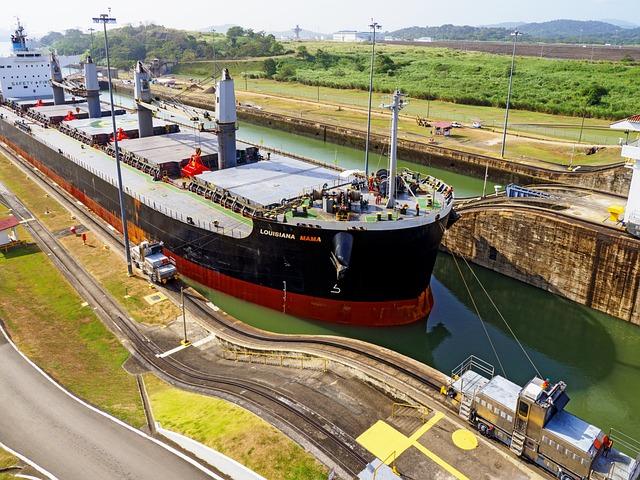
The deployment of US troops in Panama is not merely a modern-day military maneuver; it echoes a fraught historical relationship dating back to the early 20th century. Following the 1903 separation of Panama from Colombia, the United States swiftly asserted control over the Panama Canal, a strategic waterway pivotal for global trade and military movement. This control was entrenched through the 1904 Hay-Bunau-Varilla Treaty, which granted the US rights to intervene militarily in Panama. Despite the transfer of canal control back to Panama in 1999, shadows of colonialism linger as recent troop reinforcements symbolize a resurgence of US influence. The specter of past interventions raises the question: is Panama relinquishing its autonomy in favor of a military presence that could cultivate dependency rather than sovereignty?
Contemporary implications of these troop deployments extend beyond merely military logistics; they challenge the very fabric of Panamanian identity and sovereignty. The presence of US forces can be seen as a detrimental impact on national pride, igniting debates around self-determination. Panamá’s vibrant civil society is already mobilizing, voicing concerns over potential encroachments on human rights and local governance, highlighting a growing dichotomy between national interests and international agendas. The long-term ramifications could reshape power dynamics in the region, with fears that the nation risks becoming a geopolitical pawn rather than a sovereign entity. Activists warn that this militarization may impede economic independence and national decision-making, further entrenching Panama’s role in broader US foreign policy pursuits.
Strategies for Strengthening Panama’s Autonomy in the Face of External Influence
In light of increasing military presence and historical ties with the United States, Panama must adopt robust measures to reclaim its autonomy and define its international standing. Implementing policies that prioritize national interests over foreign agendas is crucial. A comprehensive approach could include:
- Strengthening domestic industries to reduce reliance on foreign economies.
- Enhancing diplomatic relations with non-aligned countries to expand Panama’s geopolitical options.
- Empowering local communities through grassroots initiatives that promote civic engagement and political awareness.
- Reforming educational systems to cultivate a sense of national identity and self-determination among citizens.
Additionally, Panama can leverage its unique geographic position as a hub for trade by creating multilateral agreements that favor its economic sovereignty. By engaging in regional cooperation, Panama could rally support from other nations facing similar challenges. A table showcasing potential partners and areas of collaboration can illustrate these strategies:
| Country | Area of Collaboration |
|---|---|
| Colombia | Trade agreements |
| Brazil | Infrastructure development |
| Mexico | Cultural exchange |
| Cuba | Healthcare initiatives |
In Conclusion
In conclusion, the decision to reintroduce U.S. troops in Panama underscores a complex interplay of geopolitical interests and national sovereignty. As the nation finds itself grappling with the implications of this military presence, questions arise about the balance between security and autonomy. The return of U.S. forces serves as a poignant reminder of the historical ties that continue to shape contemporary relations. As Panamanians navigate this new chapter, the discourse surrounding sovereignty, regional stability, and the legacy of past interventions remains critical. As citizens and policymakers reflect on the broader implications, the local and global ramifications of these developments call for vigilant scrutiny and robust debate. The journey back to the colony, albeit in a modern context, urges a collective re-examination of sovereignty in the face of evolving foreign influences.











