
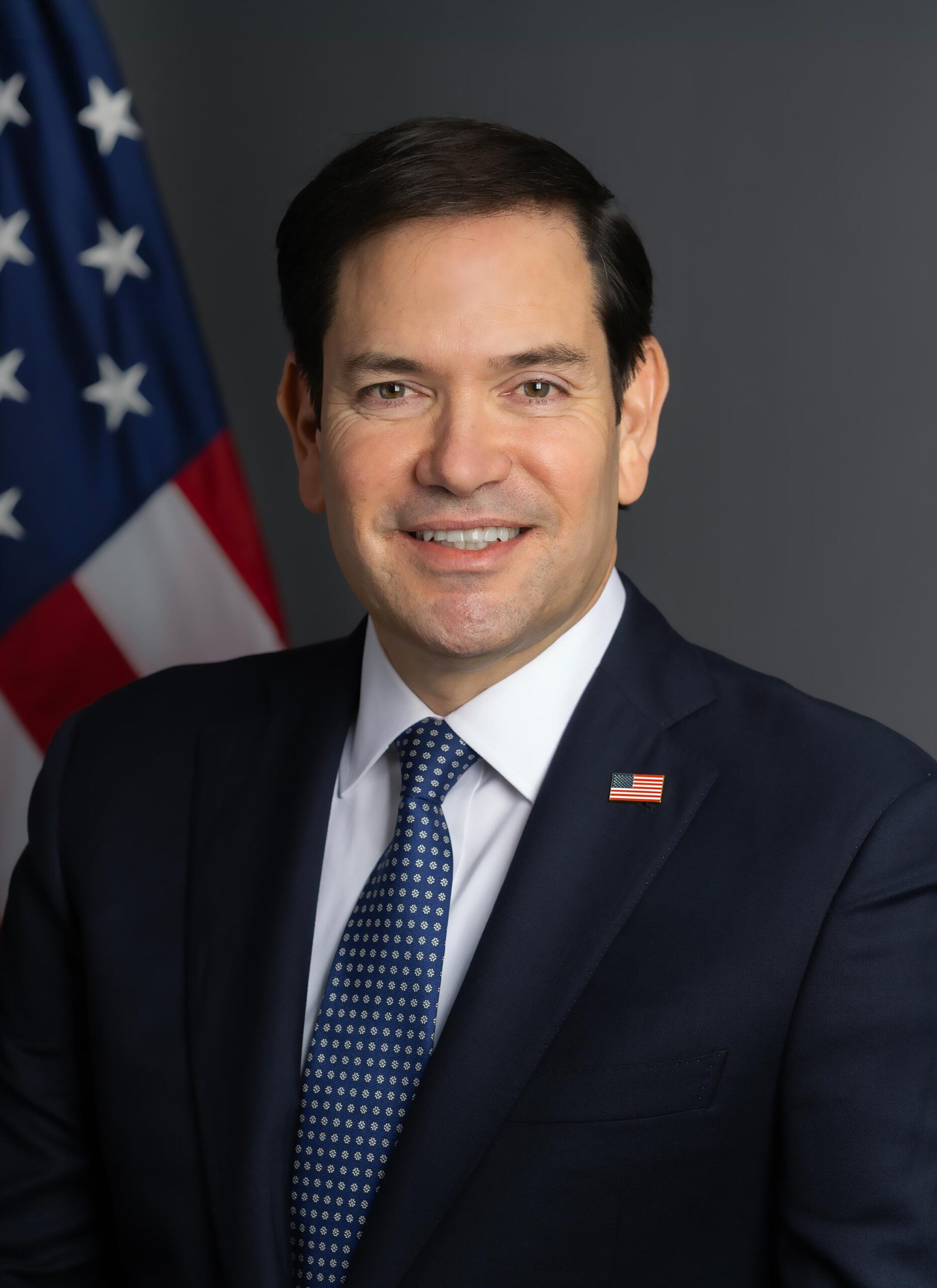
In a decisive move reflecting escalating geopolitical tensions in Central America, U.S. Senator Marco Rubio has urged the Panamanian government to curb China’s growing influence over the Panama Canal. Speaking during a recent congressional hearing, Rubio warned that continued ties with China could provoke a reevaluation of American relations with Panama, potentially leading to significant diplomatic and economic repercussions. The Panama Canal, a critical artery for global trade, has become a focal point of competition between the United States and China, with both nations vying for strategic leverage in the region. As Panama navigates its complex relationship with Beijing, the implications of this call to action underscore the broader dynamics of U.S.-China rivalry in Latin America.
Rubio Warns Panama of Consequences Over Growing Chinese Influence in Canal Operations
In a strong statement, U.S. Senator Marco Rubio has urged the Panamanian government to reconsider its growing economic ties with China, particularly regarding operations at the Panama Canal. Rubio warned that increased Chinese influence could jeopardize the strategic partnership between the U.S. and Panama. He underscored the potential risks to national security and regional stability, citing China’s expansionist ambitions and its historical pattern of leveraging economic dependencies to assert political control. The senator emphasized that if Panama continues down this path, it could provoke a decisive response from the United States.
Rubio’s comments come amid rising concerns over Chinese investments in critical infrastructure around the world. He outlined several key points that should alarm Panama:
- Strategic Vulnerability: The canal is vital for global trade and any external control could disrupt international shipping lanes.
- National Security Risks: Increased Chinese presence may pose potential espionage threats.
- Economic Dependence: Heavy reliance on Chinese investment could diminish Panama’s sovereignty.
In response, discussions have begun among lawmakers in Panama, weighing the economic benefits against the potential political fallout. As the U.S. reevaluates its commitments in the region, the leverage of aid and trade agreements could become instrumental in influencing Panama’s decisions regarding its foreign partnerships.
US Senator Outlines Strategic Recommendations for Panama to Strengthen Ties with America
In a recent address, US Senator Marco Rubio laid out a series of strategic recommendations aimed at bolstering Panama’s relationship with the United States, urging the Central American nation to reconsider its growing ties with China, particularly regarding the Panama Canal’s management. Rubio emphasized that the canal, a crucial global shipping route, should not fall into the hands of foreign adversaries. He expressed concern over China’s increasing presence in Latin America and delineated specific actions Panama could take to align more closely with US interests, stressing the importance of sovereignty and regional stability.
Rubio’s suggestions include:
- Enhancing Security Cooperation: Strengthening joint military exercises and intelligence sharing.
- Encouraging Economic Collaboration: Promoting US investments in infrastructure and technology sectors.
- Fostering Democratic Governance: Supporting initiatives that bolster democratic institutions and counter corruption.
- Improving Logistics and Trade: Working towards a bilateral trade agreement that reduces tariffs and simplifies trade routes.
At the heart of Rubio’s message is a stark warning: Panama must take proactive steps to mitigate China’s influence, or risk facing potential economic consequences from the US. As China continues to expand its reach in Latin America, Panama’s strategic choices will not only shape its future but also impact the geopolitical landscape of the region.
Implications of US Action on Panama’s Sovereignty and Future Economic Partnerships
The recent statements from U.S. Senator Marco Rubio regarding Panama’s relationship with China have ignited concerns over the potential repercussions for the Central American nation’s sovereignty. By urging Panama to diminish its ties with China-particularly concerning the strategically critical Panama Canal-Rubio’s remarks highlight the delicate balance Panama must maintain between powerful nations vying for influence. Should Panama neglect this advice, it risks not only U.S. retaliation but also alienation from vital economic partnerships that could hinder its growth and development.
In the face of escalating U.S.-China competition, Panama’s strategic decisions in foreign policy will have long-lasting implications for its economy. Potential consequences may include:
- Trade Agreements: The need to navigate U.S. trade agreements while balancing economic initiatives with China.
- Foreign Investment: Shifts in foreign direct investment depending on the perceived stability of Panama’s geopolitical stance.
- Security Assistance: Variations in military and security support based on alignment with U.S. interests.
Furthermore, the potential for technological collaborations and infrastructure investments may also be at risk, as U.S. companies might reconsider partnerships with Panama if tensions escalate. In an increasingly interconnected global economy, the outcome of this delicate diplomatic situation will impact not just Panama’s immediate future, but its long-term trajectory in the complex realm of international relations and economic development.
In Summary
In conclusion, Senator Marco Rubio’s directive to Panama underscores the growing concerns regarding China’s expanding influence in the strategically critical Panama Canal. By positioning the U.S. as a potential counterbalance to Beijing’s interest in the region, Rubio is advocating for a reevaluation of Panama’s partnerships and policies. As geopolitical tensions mount, it remains to be seen how Panama will navigate these pressures and what implications this might have for its sovereignty and international relations. With both economic interests and national security at play, the coming weeks may prove pivotal in shaping the future dynamics of U.S.-Panama relations in the context of global competition.











