
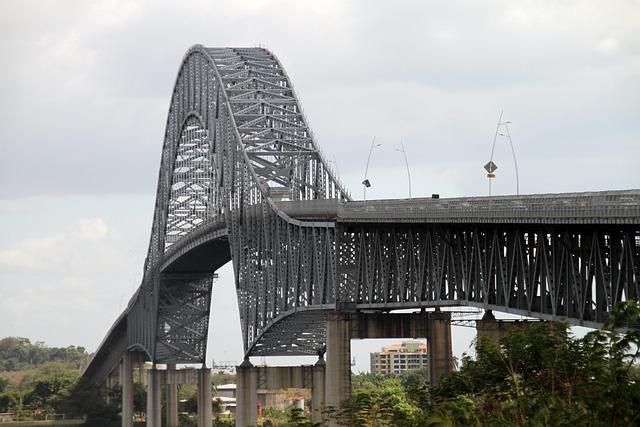
In a series of high-stakes diplomatic maneuvers, former President Donald Trump has reasserted the United States’ influence over Central America, navigating a turbulent landscape marked by political turmoil and socio-economic challenges. From the complex negotiations surrounding the Panama Canal to his interventionist stance on Honduras, Trump’s efforts highlight a broader strategy aimed at consolidating U.S. power in a region long viewed as a crucial sphere of American interest. As Central American countries grapple with issues ranging from migration to governance, Trump’s bold assertions not only reflect a recalibrated U.S. foreign policy but also raise questions about the lasting impact on local dynamics and the future of Washington’s relationships in the region. This article delves into the intricacies of Trump’s approach to Central America, examining its implications for both U.S. relations and the lives of the millions who inhabit this pivotal part of the world.
Trump’s Central America Strategy: Examining the Panama Canal Standoff’s Impact on U.S. Influence
The ongoing standoff over the Panama Canal has highlighted the strategic significance of Central America, positioning the U.S. as a pivotal player in regional politics. Trump’s administration has leveraged this confrontation to reassert Washington’s influence, often emphasizing the strategic importance of the canal in global trade and security. The U.S. has taken a more aggressive stance, demonstrated through enhanced military cooperation and economic sanctions aimed at countries perceived as threats to American interests, such as Venezuela. This posture has not only galvanized support from traditional allies but also raised concerns among Central American nations about the potential for increased interventionism.
As part of this strategy, Washington has focused on enhancing bilateral relations with key nations in the region, emphasizing significant areas such as:
- Economic Aid: Increased aid packages aimed at combating poverty and reducing migration.
- Security Assistance: Strengthening local law enforcement to tackle drug trafficking and organized crime.
- Diplomatic Engagement: Actively engaging with governments to foster stability and counter Chinese influence.
The immediate implications of these actions can be encapsulated in the following table that outlines the recent key initiatives undertaken by the Trump administration:
| Initiative | Description |
|---|---|
| Military Training Programs | Enhanced training for local security forces in Guatemala and Honduras. |
| Investment in Infrastructure | Funding for transportation projects to boost trade and connectivity. |
| Trade Agreements | Negotiating new trade deals to bolster economic ties with Central American countries. |
Revisiting U.S. Foreign Policy in Honduras: The Response to Regional Challenges
The recent developments in U.S. foreign policy toward Honduras illustrate a significant pivot towards assertiveness, particularly in light of escalating regional challenges. Under the Trump administration, Washington has sought to reinforce its influence in Central America, a region historically seen as crucial to U.S. geopolitical strategy. The government’s response has included a mixture of diplomatic pressure and economic assistance aimed at stabilizing Honduras, which is grappling with chronic political instability, corruption, and economic hardship. This multifaceted approach underscores the urgency of mitigating factors that drive migration to the U.S. while also countering the growing influence of rival powers in the region.
Key elements of this strategy include:
- Increased Military Aid: The U.S. has bolstered military support to Honduran security forces to combat drug trafficking and organized crime.
- Economic Initiatives: Investment in development programs aiming to create jobs and opportunities, particularly for youth, to curb migration.
- Diplomatic Engagement: Intensive discussions with regional leaders to encourage cooperation and strategic alignment on immigration and security issues.
To better understand the shifts in U.S. policy and their implications for the region, consider the following comparative overview:
| Policy Focus | Previous Approach | Current Strategy |
|---|---|---|
| Military Support | Limited engagements following fallout from past interventions | Increased funding and arms supplies to tackle narco-trafficking |
| Economic Engagement | Emphasis on aid without direct investment | Targeted initiatives for sustainable development |
| Diplomatic Relations | Passive engagement, often reactive | Proactive diplomacy focused on regional alliances |
Strengthening Ties and Strategies: Recommendations for a Sustainable U.S. Presence in Central America
As the U.S. seeks to enhance its influence in Central America, addressing the underlying social, political, and economic challenges in the region must be prioritized. Key strategies include:
- Economic Investment: Boosting private investments in sectors such as agriculture, infrastructure, and technology to create jobs and stimulate local economies.
- Strengthening Governance: Supporting democratic institutions and practices to promote transparency, reduce corruption, and enhance the rule of law.
- Regional Collaboration: Engaging in diplomatic efforts with Central American nations to address issues like migration, security, and drug trafficking through cooperative regional policies.
Moreover, bolstering partnerships with local organizations can facilitate grassroots development and empower communities. Establishing a dedicated task force focused on Central America could further streamline resources and initiatives, allowing for quicker responses to crises. A focused approach would also entail:
- Climate Resilience: Investing in climate adaptation projects, particularly in agriculture, to mitigate the effects of climate change.
- Cultural Exchange Programs: Promoting mutual understanding through educational and cultural programs that strengthen ties between U.S. citizens and Central Americans.
- Trade and Aid Policies: Reassessing trade agreements to ensure they benefit both U.S. interests and the economic sustainability of Central American nations.
The Way Forward
In conclusion, the evolving dynamics of U.S. foreign policy under the Trump administration underscore a renewed focus on Central America, particularly in light of the recent Panama Canal standoff and its implications for regional stability. The Biden administration’s continued commitment to addressing the root causes of migration highlights the delicate balance of influence in a region historically shaped by American intervention. As Washington reasserts its grip on Central America, both political leaders and ordinary citizens are left to navigate the complexities of these shifting alliances and the long-term consequences for democracy, development, and security in the Americas. The coming months will be critical in determining whether these strategies yield lasting change or merely reinforce existing tensions. As always, the eyes of the world will remain trained on Central America, a region at a crossroads.











