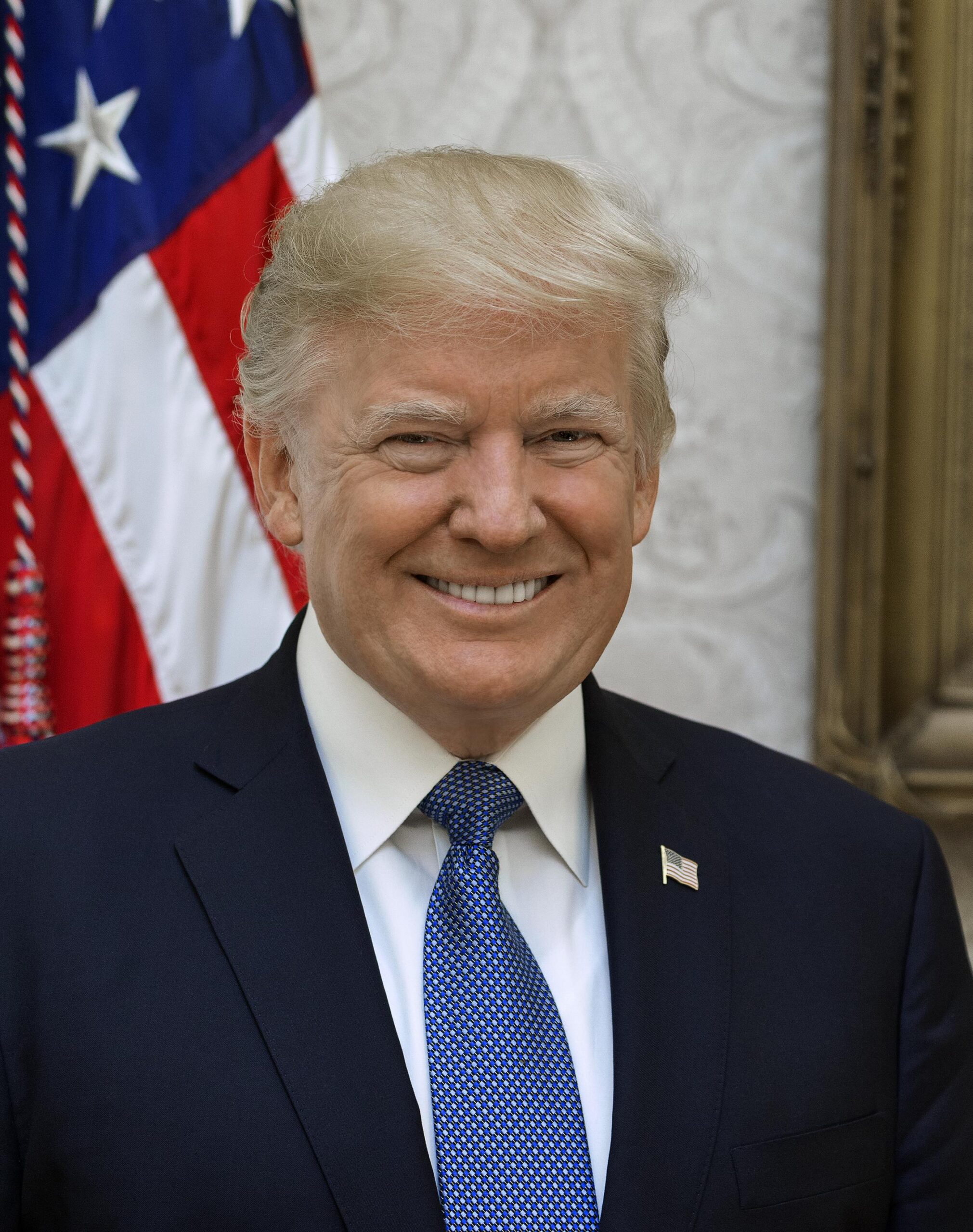
In a recent speech that has stirred controversy and revived historical tensions, former President Donald Trump made pointed remarks regarding the Panama Canal, threatening potential U.S. intervention in its governance. This provocative statement harkens back to a fraught chapter in U.S.-Latin American relations, where the canal, a crucial maritime passage, became a focal point of geopolitical power struggles and national sovereignty disputes. As discussions surrounding Trump’s comments unfold, they not only reflect his ongoing influence in American politics but also expose the enduring legacy of colonialism and intervention in the region. This article explores the implications of Trump’s rhetoric, revisiting the historical context of the canal’s construction and the complex relationship between the United States and Panama.
Trump’s Controversial Stance on the Panama Canal and Its Historical Implications
In a recent statement, former President Donald Trump sparked controversy by highlighting his stance on the Panama Canal, a vital waterway with a complex history that intertwines U.S. foreign policy and Latin American relations. His remarks seem to resurrect sentiments reminiscent of early 20th-century imperialism, suggesting a desire to revisit control over the canal, which was handed over to Panama in 1999 after decades of U.S. administration. This rhetoric not only raises eyebrows but also echoes the power dynamics that have historically favored U.S. interests at the expense of national sovereignty in Central America.
The implications of Trump’s comments extend beyond mere political rhetoric, tapping into a well of resentment and nationalism that could destabilize U.S.-Panama relations. Critics argue that such a position promotes a troubling narrative that undermines the sovereignty of nations in the region. The following points illustrate the tension between Trump’s statements and historical attitudes towards the canal:
- Historical Context: The U.S. controlled the canal from 1904 to 1999, an era marked by military intervention and exploitation.
- National Sovereignty: Panama’s regained control was a significant victory for local autonomy, symbolizing an end to neocolonial practices.
- Regional Relations: Echoes of imperialism can strain ties not only with Panama but with neighboring countries sensitive to U.S. actions.
| Event | Year | Significance |
|---|---|---|
| Construction of the Canal Begins | 1904 | U.S. involvement signifies economic and military intent in the region. |
| Torrijos-Carter Treaties | 1977 | Agreement for the gradual transfer of control to Panama. |
| Handing Over of Canal | 1999 | Restoration of Panama’s sovereignty over the canal. |
As Trump’s narrative gains traction among his supporters, historians warn that failing to acknowledge this complicated legacy risks repeating the same mistakes of the past. The canal, while a marvel of engineering, stands as a symbol of the enduring struggle between foreign influence and domestic governance in Panama. A contemporary understanding demands careful consideration of the historical context behind the rhetoric, reminding all stakeholders that the past continues to influence present discussions.
Revisiting Colonial Legacy: The Panama Canal’s Role in U.S. Foreign Policy
In recent discourse surrounding U.S. foreign policy, the Panama Canal has resurfaced as a symbol of colonial legacy, reflecting the often fraught history of American interventionism in Latin America. The canal, constructed in the early 20th century, stands as a monument to the U.S. ambition and strategic maneuvering, which was often justified under the guise of promoting economic progress and stability. Trump’s remarks about reclaiming control over the canal not only echo past imperialistic sentiments but also highlight the fragility of sovereignty and the long-lasting effects of colonial power dynamics. This reaction points to a larger narrative where the U.S. continues to grappling with its historic role in Central America, attempting to redefine relationships that are still weighed down by the vestiges of conquest and exploitation.
The implications of revisiting the Panama Canal in contemporary politics cannot be overstated. Histories of expropriation and dominance continue to resonate in the region, as the canal remains a critical artery for global trade. Critics argue that any calls for reclaiming influence over the waterway risk inflaming tensions and undermining diplomatic relations established over decades. As Latin American nations assert their autonomy, it is crucial to recognize how modern rhetoric may inadvertently invoke a sense of neocolonialism. This context compels a reevaluation of U.S. actions and intentions, asking whether they stem from a desire for cooperative partnerships or an ulterior motive rooted in past heritages of control.
Strategic Recommendations for Navigating U.S.-Panama Relations Amid Rising Tensions
To successfully navigate the current tumultuous landscape of U.S.-Panama relations, it is essential to adopt a proactive approach that prioritizes diplomacy and mutual understanding. Engagement through dialogue is vital; both nations should enhance their communication channels to clarify intentions and mitigate misunderstandings. The U.S. could initiate bilateral talks focusing on shared economic interests, environmental collaboration, and security concerns, establishing a platform for addressing grievances and recognizing each nation’s sovereignty. Strengthening cultural exchange programs can also bolster people-to-people ties, fostering goodwill and dispelling misconceptions about each other’s agendas.
In addition, the U.S. should consider implementing strategic economic incentives that underscore its commitment to Panama’s development. By prioritizing investments in infrastructure, healthcare, and education, the U.S. can reinforce its role as a partner rather than an adversary. The following table illustrates potential areas for investment and cooperation:
| Area of Cooperation | Potential Impact |
|---|---|
| Infrastructure Development | Enhances trade efficiency and connectivity |
| Environmental Protection | Supports sustainable practices and biodiversity |
| Healthcare Initiatives | Improves public health outcomes and services |
| Education Programs | Fosters long-term human capital development |
By fostering these initiatives, both the U.S. and Panama can work towards a relationship anchored in mutual respect and shared goals, ultimately defusing rising tensions and paving the way for a constructive partnership.
Concluding Remarks
In conclusion, Donald Trump’s recent comments regarding the Panama Canal have sparked significant concern and prompted a reexamination of a complex historical relationship between the United States and Panama. This rhetoric not only evokes memories of colonial dominance and territorial disputes but also raises questions about contemporary U.S. foreign policy and its implications for Latin America. As experts and historians weigh in, it becomes clear that such statements can reignite tensions and foster instability in a region still grappling with the legacies of its past. As the conversation continues, it is crucial for policymakers to approach these issues with sensitivity and an understanding of the historical context that shapes the dynamics of power and sovereignty in the Americas. The renewed focus on the Panama Canal serves as a reminder that history is never far behind, and the lessons of the past should inform our actions today.