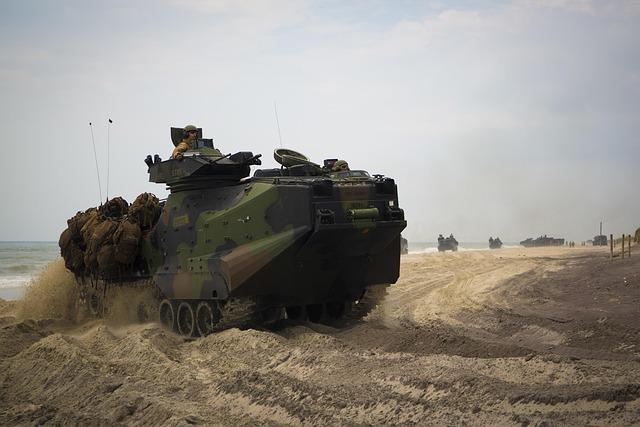
U.S. Marines Partner with Panamanian Security Forces for Joint Jungle Training
In a significant move to bolster regional security and enhance operational capabilities, U.S. Marines have joined forces with Panamanian security institutions for a comprehensive jungle training exercise. This collaboration, detailed in a recent report by SOUTHCOM (U.S. Southern Command), underscores the commitment of both nations to strengthening their partnership amidst evolving security challenges in Central America. Over the coming weeks, Marines will engage in rigorous training alongside Panamanian counterparts, focusing on tactical operations, survival skills, and inter-agency cooperation within the dense jungles that characterize the region. This initiative not only seeks to improve military readiness but also aims to foster deeper ties between the U.S. and Panama, reinforcing shared objectives in promoting stability and security in the Americas.
U.S. Marines Collaborate with Panamanian Forces in Enhanced Jungle Training Operations
The recent collaboration between U.S. Marines and Panamanian security forces marks a significant advancement in joint military capabilities, specifically within challenging jungle environments. This series of enhanced training operations focuses on improving tactical skills, fostering interoperability, and bolstering regional security. Both parties engaged in rigorous drills that ensured participants are adept in navigating complex terrains and executing various jungle warfare tactics. The collaborative efforts emphasized key areas such as:
- Jungle Navigation: Techniques for effective movement through dense forest.
- Survival Skills: Skills for sustaining personnel in harsh conditions.
- Tactical Communication: Strategies to maintain operational coordination.
Throughout the training sessions, personnel focused on real-world scenarios that reflect the challenges faced in jungle warfare. By sharing knowledge and developing tactical proficiency, the Marines and Panamanian forces aim to enhance their readiness to respond to future security threats. Moreover, the initiative underscores the importance of multinational cooperation in overcoming shared challenges in the region. This training not only strengthens military bonds but also enhances the capability for humanitarian assistance and disaster response across Central America, as detailed below:
| Training Aspect | Objective |
|---|---|
| Communication Drills | Enhance coordination between forces |
| Combat Medicine | Improve response to injuries |
| Logistical Operations | Streamline resource management |
Strengthening Regional Security: The Strategic Importance of Joint Military Exercises
The collaboration between U.S. Marines and Panamanian security institutions exemplifies the significance of joint military exercises in fostering regional stability. Such training initiatives are essential not merely for enhancing operational readiness, but also for bolstering partnerships that are crucial in addressing transnational threats. Through hands-on jungle training, personnel learn vital skills such as navigation, survival tactics, and counter-narcotics strategies, which are particularly relevant in the challenging terrains of Central America. This cooperative effort is a testament to the commitment both nations share in ensuring a secure and resilient environment against evolving security challenges.
These joint exercises not only benefit the military capabilities of both nations but also strengthen diplomatic ties. By emphasizing interoperability and communication, the U.S. Marines and Panamanian forces enhance their ability to respond collaboratively to crises. Key outcomes of the training include:
- Enhanced Tactical Coordination: Improved effectiveness during joint operations.
- Shared Intelligence: Better information-sharing practices to counter threats.
- Cultural Exchange: Strengthening mutual understanding among troops.
Ultimately, such initiatives lay the groundwork for long-term security partnerships that can adapt to the dynamic landscape of threats in the region. By fostering a sense of unity and cooperation, the joint exercises pave the way for a more stable and secure Latin America.
Building Capacity: Recommendations for Future Cooperation between U.S. and Panamanian Security Institutions
Strengthening collaboration between U.S. and Panamanian security institutions is crucial for addressing regional challenges. Here are several strategic recommendations to enhance future cooperation:
- Joint Training Exercises: Expand on combined training initiatives that focus on counterterrorism, humanitarian assistance, and disaster response scenarios.
- Intelligence Sharing: Establish secure platforms for real-time intelligence-sharing to improve situational awareness and response capabilities.
- Capacity Building Programs: Implement mentorship programs for Panamanian security personnel led by experienced U.S. forces to promote skill development.
- Community Engagement: Foster community outreach efforts that help build trust and cooperation between security forces and local communities.
- Logistical Support: Enhance the capacity for logistical operations, ensuring both nations can effectively respond to crises in the region.
Moreover, facilitating regular workshops and conferences can further cement relationships and share best practices. Key focus areas may include:
| Focus Area | Proposed Activity |
|---|---|
| Cybersecurity | Joint cybersecurity drills and information exchange sessions. |
| Environmental Security | Collaborate on initiatives to combat illegal deforestation and wildlife trafficking. |
| Humanitarian Assistance | Co-host medical and disaster relief training for rapid response capabilities. |
Wrapping Up
In conclusion, the collaboration between U.S. Marines and Panamanian security forces marks a significant step towards enhancing regional stability and joint operational readiness. This combined jungle training not only fosters mutual understanding and interoperability between the two nations but also underscores a commitment to combating transnational threats in Central America. As both forces engage in rigorous exercises in the challenging environments of Panama’s jungles, this partnership will likely pave the way for future cooperation, ensuring a safer and more secure region. The efforts highlighted in this initiative reflect a broader strategy of solidarity and support among allies, reinforcing the importance of international cooperation in addressing complex security challenges.