
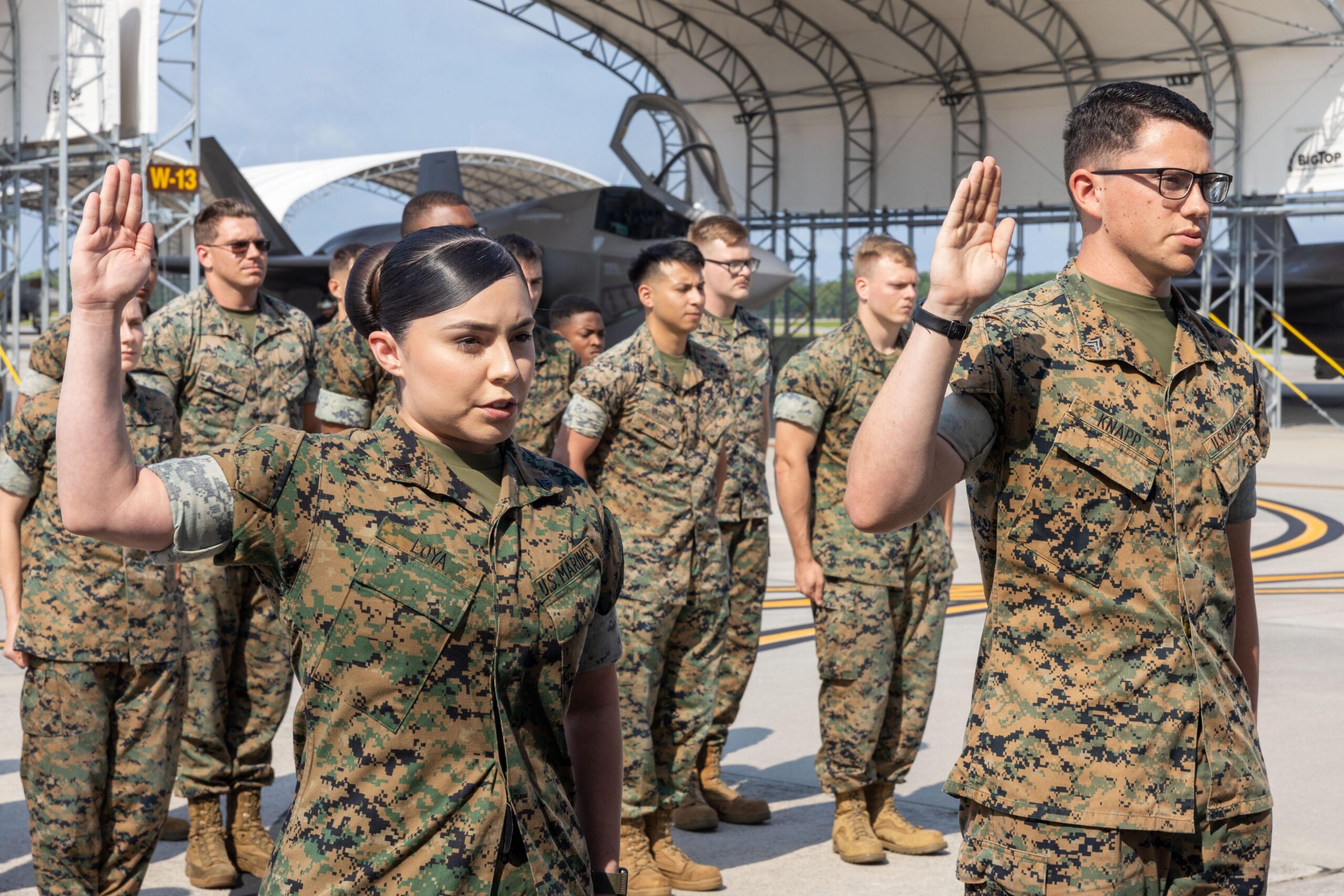
U.S. Marines Arrive in Panama Ahead of Central American Security Conference
In a strategic move underscoring the United States’ commitment to regional stability, a contingent of U.S. Marines has arrived in Panama ahead of the highly anticipated Central American Security Conference. This deployment aims to bolster collaborative efforts among Central American nations to address pressing security challenges, including drug trafficking and organized crime. As nations prepare to engage in discussions on cooperative security measures, the presence of U.S. forces highlights a focus on strengthening partnerships and enhancing regional capabilities. The conference, which gathers military leaders and security experts from across the region, is set to play a crucial role in shaping future defense strategies and fostering a united front against emerging threats.
U.S. Marines Enhance Security Operations as Central American Leaders Gather in Panama
The recent arrival of U.S. Marines in Panama coincides with heightened security measures as Central American leaders convene for a significant security conference. The presence of these military forces aims to bolster local efforts in addressing pressing challenges such as organized crime and drug trafficking in the region. As discussions unfold amongst the representatives from various nations, the collaboration between military personnel and local law enforcement agencies stands to enhance strategic security operations and foster regional stability.
With the backdrop of escalating security concerns, the U.S. Marines are prepared to provide various forms of support. Their roles include:
- Logistical Assistance: Ensuring the seamless movement of delegates and resources.
- Training and Advisory: Offering guidance to local forces on best practices in security management.
- Crisis Response: Readying resources to swiftly address any potential security threats during the conference.
This initiative underscores the commitment of the U.S. to support Central American nations in building a safer and more secure environment, vital for fostering sustainable development and cooperation in the region.
Strategic Collaboration: The Role of U.S. Forces in Tackling Regional Threats
The arrival of U.S. Marines in Panama marks a pivotal moment in the ongoing efforts to enhance regional security across Central America. This deployment comes as part of a broader strategy to confront pressing threats such as drug trafficking, organized crime, and burgeoning terrorism networks threatening the stability of nations in the region. Through collaborative exercises and training initiatives, U.S. Forces aim to strengthen the capabilities of Central American partners, fostering a comprehensive security framework that is vital in tackling these multifaceted challenges. Key activities include:
- Joint Military Exercises: Conducting drills to improve interoperability and readiness among military partners.
- Intelligence Sharing: Enhancing collaborative efforts in intelligence operations to disrupt criminal networks.
- Community Engagement: Building local ties to facilitate trust and cooperation in security operations.
Through this strategic collaboration, the U.S. and regional forces are not only combating immediate threats but are also setting the groundwork for long-term stability. A united front against these challenges is crucial, as the changing dynamics in Central America reflect a significant shift in the global security landscape. Recent discussions at the Central American Security Conference underscore several critical areas of focus:
| Focus Areas | Objectives |
|---|---|
| Counter-Narcotics Operations | Reduce drug trafficking routes and operations. |
| Cybersecurity Enhancements | Protect critical infrastructure from cyber threats. |
| Disaster Response Coordination | Prepare for and respond to natural disasters impacting security. |
Ensuring Success: Recommended Initiatives for Effective Security Conference Outcomes
To achieve meaningful outcomes from the Central American Security Conference, several initiatives should be prioritized. First and foremost, fostering robust communication channels among all participating nations is essential. Clear dialogue can help create a unified response to regional security challenges. Organizing workshops and breakout sessions can enhance collaboration on key issues such as drug trafficking, cyber threats, and disaster response. These interactive formats not only promote engagement but also allow for the sharing of best practices and innovative solutions that can be adopted by various nations. Furthermore, establishing a monitoring and evaluation system will enable participants to assess the effectiveness of their cooperative efforts over time.
Equally important is the inclusion of local perspectives in the discourse. Engaging community leaders and civil society organizations can provide valuable insights into the unique security concerns faced by populations in the region. By incorporating these voices, the conference can tailor initiatives that resonate with the realities on the ground. Additionally, a focus on training programs for law enforcement and military personnel is vital. This can be formalized through a collaborative training matrix as shown below, ensuring that resources and expertise are effectively shared across borders.
| Training Program | Target Audience | Duration |
|---|---|---|
| Cybersecurity Fundamentals | Law Enforcement | 1 Week |
| Disaster Response Strategies | Military Personnel | 2 Weeks |
| Community Policing Techniques | Local Officials | 3 Days |
Closing Remarks
In conclusion, the arrival of U.S. Marines in Panama marks a significant step in bolstering regional security ahead of the Central American Security Conference. This deployment underscores the United States’ commitment to strengthening partnerships and addressing mutual security challenges in Central America. As discussions unfold and cooperation deepens, the collaborative efforts of the U.S. military and regional partners will be pivotal in ensuring stability and fostering a safe environment for the local communities. As this story develops, we will continue to provide updates on the implications of these military movements and the outcomes of the conference.











