
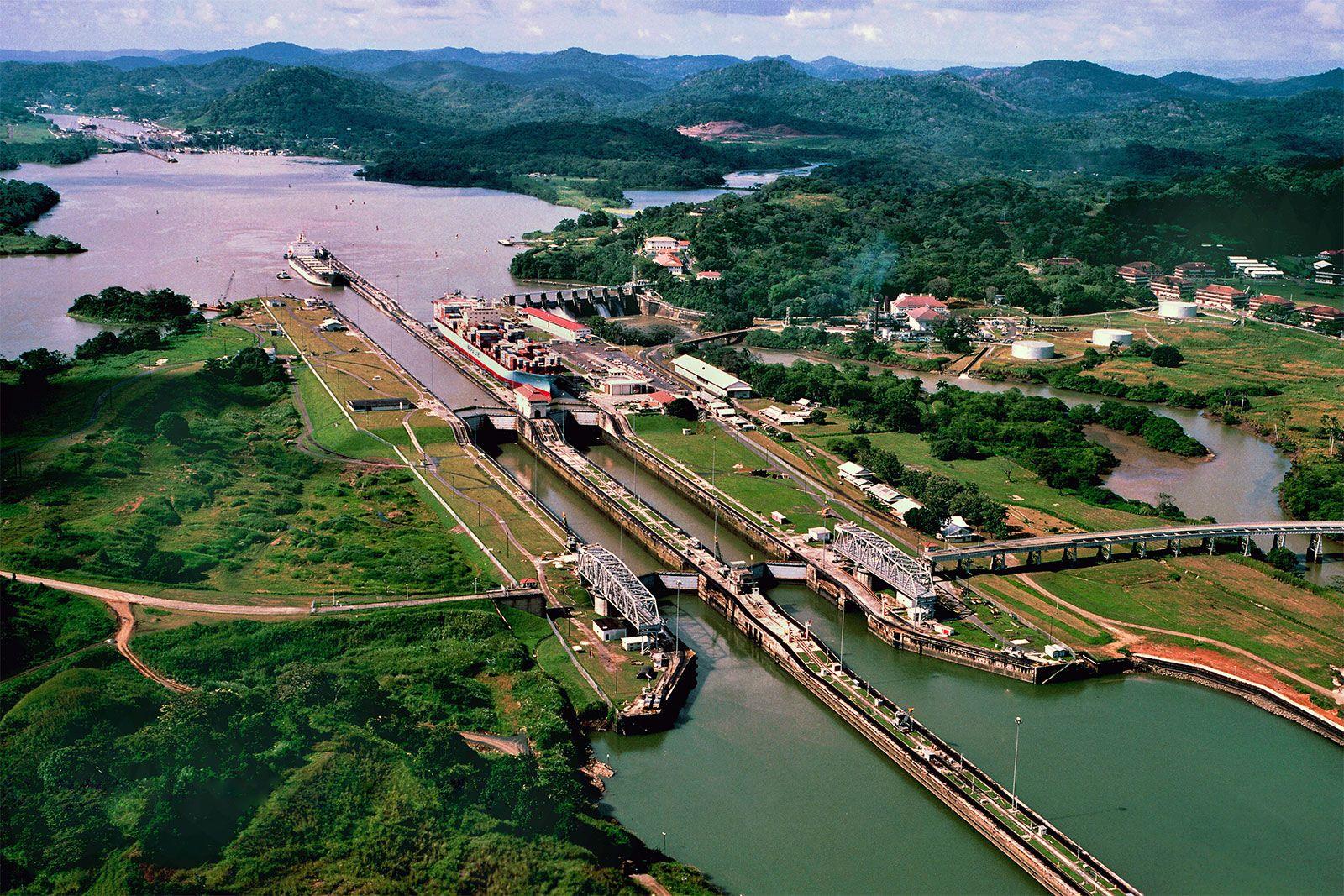
Title: Revisiting the Panama Canal Treaties: A Strategic Imperative for America
As geopolitical tensions simmer and global trade dynamics shift, the significance of historical agreements is often reassessed. One such pivotal moment in U.S. foreign policy came with the Panama Canal Treaties of 1977, which transferred control of the Panama Canal from the United States to Panama. Recently, The Center for Renewing America has called for a reevaluation of these treaties, arguing that the current global landscape necessitates a fresh look at American interests in Central America. With growing concerns over navigational security, regional stability, and the rise of alternative trade routes, this argument carries substantial weight. In this article, we will explore the implications of the Panama Canal Treaties, the rationale behind their reassessment, and what a potential revision could mean for America’s strategic posture in the Western Hemisphere.
Analyzing the Legacy of the Panama Canal Treaties in Contemporary Geopolitics
The Panama Canal Treaties, signed in 1977, marked a significant shift in U.S.-Panamanian relations, transferring control of the canal from the United States to Panama. This momentous decision was destined to shape geopolitical dynamics in Latin America. Today, the implications of these treaties can still be felt as nations grapple with issues of sovereignty, economic control, and military strategy. Post-treaty, Panama has emerged as a vital player in regional trade and infrastructure development, yet the U.S. remains concerned about the canal’s usage for strategic military movements and economic interests. The evolving landscape of power in Central America serves as a compelling backdrop against which the historical context of these treaties must be reassessed. Part of the ongoing dialogue involves considering how objectivity has been influenced by the treaties-particularly whether they have led to enhanced stability or, alternatively, increased regional pressures and vulnerabilities.
In assessing the legacy of these agreements, it is crucial to evaluate both the economic ramifications and the political relationships that have formed since their implementation. Below are key aspects of how the treaties influence current geopolitics:
| Key Aspect | Impact |
|---|---|
| Trade Routes | Enhanced trade efficiency between the Atlantic and Pacific, attracting global shipping. |
| Regional Influence | Shift of power dynamics, as emerging countries assert their roles in trade and diplomacy. |
| Security Concerns | U.S. vigilance on potential Chinese influence in the region, using the canal as a strategic leverage point. |
As nations assess their foreign policies and regional commitments, the treaties’ legacy serves as a crucial reference point in understanding the current and future geopolitical framework in Central America. Whether the treaties ultimately laid a foundation for lasting peace or seeds of conflict remains a topic ripe for discussion, analysis, and, indeed, further exploration as the region’s dynamics evolve.
Assessing the Economic Impact of Revising Canal Treaties on U.S. and Latin American Relations
The potential for revising canal treaties carries significant economic implications for both the United States and Latin American nations. As global trade flows increasingly rely on efficient maritime routes, the Panama Canal remains a critical artery for the movement of goods. Renewing negotiations over treaty terms could lead to various outcomes, including:
- Increased Trade Competitiveness: Improved canal terms may lead to reduced shipping costs and faster transit times, boosting trade efficiency.
- Infrastructure Investment: A revised agreement could facilitate needed investments in canal infrastructure, enhancing capacity and modernizing facilities.
- Economic Growth: Nations directly benefiting from improved canal operations could experience economic uplift, providing job opportunities and fostering entrepreneurship.
However, the economic ramifications extend beyond trade efficiency. The changing dynamics of U.S. and Latin American relations could result in both challenges and opportunities. For instance, greater collaboration may foster stronger bilateral ties, while contentious negotiations could amplify tensions. Key considerations include:
| Aspect | Potential Impact |
|---|---|
| Foreign Investment | Increased foreign direct investment could be attracted to infrastructure improvements. |
| Regional Stability | Stronger economic ties may promote stability and peace within the region. |
| Economic Dependence | Countries might become economically dependent on U.S. trade agreements. |
Strategic Recommendations for Modernizing the Panama Canal Framework to Enhance Regional Stability
To strengthen the strategic role of the Panama Canal in the increasingly complex geopolitical environment of the 21st century, a series of key recommendations can be considered for modernizing its framework. Enhancing operational efficiency and security protocols is paramount, ensuring that the canal continues to serve as a critical conduit for international maritime trade. Specifically, the adoption of advanced technologies, including AI-based traffic management systems and enhanced surveillance capabilities, can mitigate congestion and safeguard against potential threats. Additionally, establishing collaborative frameworks with regional partners can help to foster greater cooperation on environmental protections and maritime security, thereby contributing to regional stability.
Furthermore, a reassessment of the economic policies governing canal tolls and revenue-sharing mechanisms could bolster investment in infrastructure improvements and community development in surrounding areas. This shift may involve implementing a sliding scale for tolls based on vessel size and freight type, incentivizing larger and cleaner ships to transit through the canal while supporting sustainability goals. Engaging in multilateral dialogues with stakeholders, including shipping companies, Latin American nations, and international maritime organizations, will be crucial to ensure that these reforms align with contemporary economic realities and global supply chain dynamics.
To Wrap It Up
As discussions around the Panama Canal Treaties resurface, the implications of revisiting such agreements extend far beyond historical analysis. The Center for Renewing America emphasizes the importance of these treaties in the context of contemporary geopolitics and economic partnerships. With evolving global dynamics and renewed interest in infrastructure and trade, reevaluating the treaties may offer valuable insights into fostering cooperation, safeguarding American interests, and addressing emerging challenges in the region. As stakeholders weigh the potential benefits and risks, the conversation around the Panama Canal illustrates the enduring relevance of diplomatic agreements in shaping our interconnected world. The call for further examination of this pivotal chapter in U.S.-Panama relations invites policymakers and scholars alike to consider not just the past, but also the future pathways that can lead to mutual growth and stability.









