
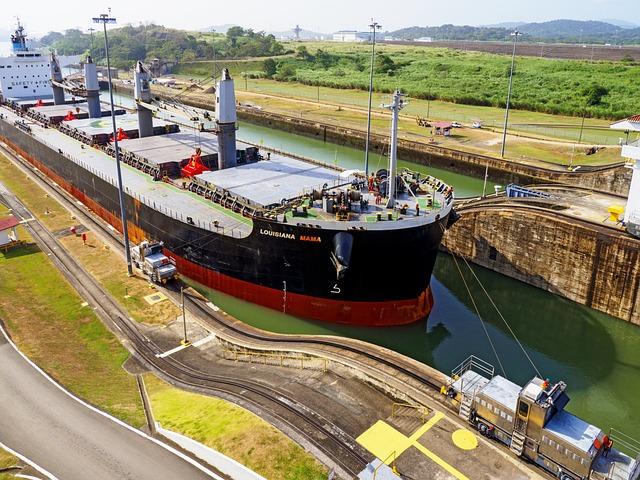
Panama-US Relations: A Complex Tapestry of History, Trade, and the Canal
In the realm of international relations, few partnerships are as intricate and historically significant as that between Panama and the United States. Anchored by the construction and subsequent operation of the Panama Canal, this bilateral relationship has evolved through periods of cooperation, tension, and strategic alignment. As global trade routes continue to shift and expand, the canal remains a vital artery for maritime commerce, underscoring the importance of Panama in the geopolitical landscape. This article delves into the multifaceted dimensions of Panama-US relations, exploring their historical roots, the enduring significance of the canal, and the implications for trade and economic collaboration in the 21st century. With a focus on key events and policies that have shaped this partnership, we examine how two nations, once bound by colonial legacies, continue to navigate their shared interests in an ever-changing world.
Panama and the United States: A Historic Partnership and Its Modern Implications
The partnership between Panama and the United States has evolved through significant historical milestones, marked prominently by the construction of the Panama Canal. Initially completed in 1914, the canal has served as a critical conduit for international maritime trade, enhancing the economic fortunes of both nations. Today, the canal facilitates over 14,000 transits annually, accounting for approximately 5% of global trade. This infrastructure not only sustains regional economies but also highlights the strategic military and economic interests shared by both nations. Over the years, the governance and operation of the canal have transitioned back to Panama, reflecting a shift towards sovereignty and self-determination that continues to shape bilateral relations.
In contemporary contexts, the relationship has expanded beyond the canal to encompass various domains, including trade, security, and sustainable development. The free trade agreement, enacted in 2012, exemplifies efforts to boost economic ties, yielding benefits such as increased exports and foreign investment. Key areas of collaboration are now focused on counter-narcotics, disaster response, and regional security. As both nations forge ahead, the partnership must adapt to evolving challenges, such as climate change and emerging threats in the geopolitical landscape, ensuring that it remains relevant and beneficial for future generations. The resilience of this alliance underscores the importance of bilateral cooperation amidst growing global complexities.
| Aspect | Details |
|---|---|
| Canal Transits | Over 14,000 per year |
| Global Trade Impact | About 5% of total trade |
| Trade Agreement | Established in 2012 |
Navigating the Waterways: The Strategic Importance of the Panama Canal in Bilateral Trade
The Panama Canal stands as a critical artery in global trade, facilitating the movement of goods between the Atlantic and Pacific Oceans. With over 12,000 vessels transiting each year, the canal reduces shipping distances significantly, making it an essential link for bilateral trade, particularly between the United States and Panama. This strategic waterway not only shortens travel times but also contributes to lower shipping costs, benefitting a multitude of industries, from agriculture to manufacturing. The economic impact is profound, with estimates suggesting that approximately $270 billion in trade passes through the canal annually, underscoring its importance in the supply chain.
Moreover, the Panama Canal fosters economic ties that extend beyond mere shipping routes. As the U.S. remains one of Panama’s largest trading partners, the canal’s efficiency enhances mutual gains for both nations. Key trade commodities include petroleum products, farm machinery, and consumer goods, which flow seamlessly through this maritime corridor. To visualize the trade dynamics, consider the following table illustrating the top exports from Panama to the U.S.:
| Commodity | Export Value (in millions) |
|---|---|
| Bananas | $866 |
| Coffee | $200 |
| Fish | $150 |
| Textiles | $100 |
Strengthening Ties: Policy Recommendations for Enhancing Panama-US Economic Cooperation
To bolster economic cooperation between Panama and the United States, policymakers should consider several strategic initiatives that foster mutual growth and benefit both nations. Enhancing trade agreements is vital, as this would not only streamline customs processes but also reduce tariffs on key Panamanian exports such as fruits and seafood. Additionally, investment in technology transfer can stimulate innovation in Panama’s rapidly developing sectors by welcoming American companies to share expertise, particularly in maritime logistics and renewable energy.
Furthermore, establishing joint ventures in infrastructure projects can leverage Panama’s geographic advantages, particularly around the Canal zone, to benefit both countries economically. It is equally important to emphasize the need for educational exchange programs that cultivate a skilled workforce in Panama, allowing Panamanian professionals to gain experience and education in U.S. institutions. These programs can facilitate cultural ties and create a stronger support network for future business collaborations.
To Wrap It Up
In conclusion, the intricate tapestry of Panama-U.S. relations, woven through decades of collaboration and tension, is exemplified by the pivotal Panama Canal and the dynamic trade partnerships that have developed since its handover in 1999. As both nations navigate the challenges and opportunities of the 21st century, the historical ties forged in the region continue to influence their diplomatic and economic landscapes. With shifts in global trade patterns and increased regional cooperation, the future of this bilateral relationship remains crucial not only for the citizens of both countries but also for the stability and economic growth of Central America as a whole. As we move forward, it will be important to monitor how these foundational elements evolve and shape the path ahead for Panama and the United States.











