
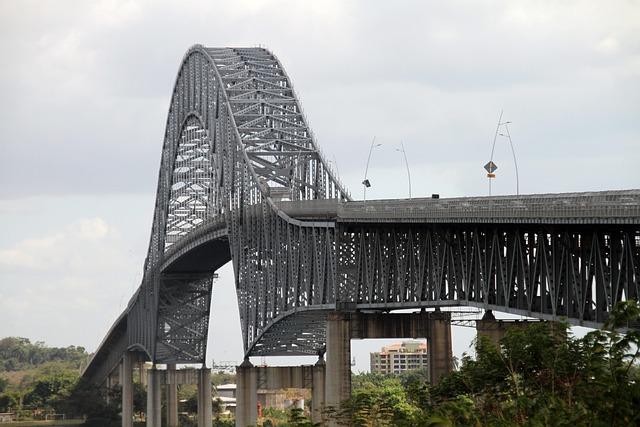
Adverse Consequences of US Threats to Retake the Panama Canal – Baker Institute
In recent weeks, geopolitical tensions have surged as rumors emerge regarding renewed U.S. military interest in the Panama Canal, a strategic waterway that has historically been a focal point of international trade and power struggles. The Baker Institute for Public Policy warns that any threats to retake control of the canal could provoke severe regional and global repercussions. This article delves into the potential adverse consequences of these provocative statements, examining the historical context, the current political climate in Latin America, and the implications for U.S. foreign policy. As discussions intensify, it is vital to consider how a move that may seem aimed at bolstering American dominance could destabilize a delicate balance in a region still grappling with the legacies of intervention and empire.
US Threats to Reclaim Control of the Panama Canal: Understanding the Geopolitical Ramifications
The recent threats by the United States to reclaim control of the Panama Canal have sent shockwaves through international relations, particularly in Latin America. The geopolitical implications of such actions could be profound, as they threaten to destabilize the delicate balance of power in the region. Key concerns include:
- Regional Tensions: Diplomatic relations between the U.S. and Panama, as well as neighboring countries, may deteriorate, resulting in increased anti-American sentiment.
- Economic Repercussions: A potential U.S. intervention could disrupt shipping routes, affecting global trade and leading to significant economic losses for countries reliant on the canal.
- China’s Influence: Such actions may allow China to expand its influence in Latin America by positioning itself as a counterbalance to U.S. policies.
Furthermore, the potential for renewed military presence in the region creates an environment ripe for conflict. The strategic importance of the Panama Canal cannot be understated, and revisiting historical control schemes could embolden various factions. A possible shift in U.S. foreign policy might trigger:
- Increased Military Support for Panamanian Forces: A move perceived as aggressive could push Panama to bolster its defenses with assistance from other nations.
- Regional Alliances: Countries may unite against perceived threats, forming coalitions that could complicate geopolitical dynamics.
- Increased Maritime Security Risks: The canal’s significance in global logistics could render it a target for piracy or sabotage during heightened tensions.
Economic Implications for Panama and the Broader Region: A Closer Look at Trade and Investment Risks
The geopolitical landscape surrounding Panama has become increasingly precarious in light of recent threats from the United States regarding the Panama Canal. As one of the most strategically significant waterways in the world, the canal is critical not only for Panama but also for global trade. The implications of US posturing extend far beyond diplomatic tensions; they pose considerable risks for trade and investment in the region. Businesses are already weighing their options, and potential investors may hesitate to commit resources in a climate of uncertainty, potentially leading to a reduction in foreign direct investment (FDI).
Moreover, the ripple effect of these threats could destabilize economic conditions across Central America and the Caribbean. Potential fallouts include decreased trade volume and disruptions in supply chains, which could amplify inflationary pressures already faced by the region. Key factors to consider include:
- Trade Tariffs: Heightened risks may lead to increased tariffs on goods transiting through the canal.
- Investor Confidence: Fluctuations in bilateral relations could deter both regional and global investors.
- Currency Volatility: Economic instability might result in rapid changes to the Panamanian balboa’s valuation.
| Risk Factor | Potential Consequences |
|---|---|
| Increased Tariffs | Higher costs for imports/exports |
| Decreased FDI | Slower economic growth |
| Currency Volatility | Uncertainty in market transactions |
Recommendations for U.S. Policy: Fostering Diplomatic Relations and Ensuring Strategic Stability in Central America
To mitigate the adverse consequences stemming from the rhetoric surrounding the Panama Canal, the U.S. must prioritize several diplomatic approaches. Engaging in multilateral dialogue can provide a platform for addressing grievances and collaborating on mutual interests with Central American nations. This can include:
- Strengthening regional partnerships through organizations like the Organization of American States (OAS) to promote shared objectives.
- Diplomatic visits by U.S. officials to emphasize commitment to cooperative measures rather than confrontational stances.
- Investment in regional development initiatives that align with U.S. strategic interests, demonstrating a commitment to prosperity rather than control.
Additionally, enhancing security cooperation can foster stability in the region. The U.S. should consider establishing a security framework that focuses on shared challenges such as drug trafficking and organized crime. Key components may include:
| Security Initiatives | Description |
|---|---|
| Joint Training Exercises | Collaborative military drills to improve interoperability and readiness. |
| Intelligence Sharing | Enhanced collaboration on combatting transnational crime. |
| Economic Support Programs | Funding and resources for local law enforcement capacity building. |
By employing these strategies, the U.S. can foster a more stable and cooperative environment in Central America, ultimately paving the way for long-term peace and prosperity in the region while mitigating the fallout from aggressive posturing regarding the Panama Canal.
In Retrospect
In conclusion, the implications of U.S. threats to retake the Panama Canal extend far beyond regional tensions. As outlined in the Baker Institute’s analysis, such rhetoric not only risks inflaming geopolitical strife but also threatens to destabilize the carefully balanced diplomatic relationships in Central America and beyond. The historical significance of the Canal, coupled with its economic importance to global trade, underscores the need for a more nuanced approach to U.S.-Panama relations. Policymakers must consider the potential consequences of their words and actions, recognizing that the legacy of the Canal is inextricably linked to the broader context of international cooperation and respect for sovereignty. As the world watches closely, it remains critical for the United States to engage in dialogue and diplomacy rather than resorting to threats that could provoke unrest and escalate conflicts in an already volatile region. With the future of the Canal at stake, the necessity for careful navigation of these waters has never been more apparent.









