
Panama: A Crossroads of Culture and Commerce – An In-Depth Look at its History, Geography, and Identity
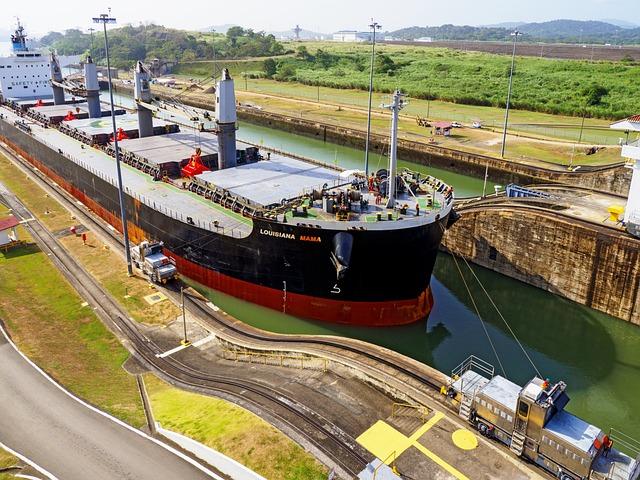
Nestled between the Pacific Ocean and the Caribbean Sea, Panama serves as a pivotal point not only for maritime navigation but also as a rich tapestry of history and culture. Renowned for the engineering marvel of the Panama Canal, which transformed global trade when it opened in 1914, this Central American country has a story that extends long before its modern accomplishments. In this article, we delve deep into the essence of Panama, exploring its historical milestones, geographic significance, and emblematic symbols, including its flag and capital city, while also examining the diverse population that calls this land home. From the ancient indigenous tribes to Spanish colonization, and the subsequent rise of a nation, Panama’s narrative is a compelling blend of resilience and innovation. Join us as we navigate the pivotal facts and facets that make Panama an intriguing subject of study in the contemporary world.
Exploring Panama’s Rich Historical Tapestry and Cultural Heritage
Panama’s historical narrative is a fascinating amalgamation of indigenous cultures, colonial conquests, and modern developments. The nation is home to several indigenous groups, including the Ngäbe-Buglé and Kuna, whose traditions and customs continue to shape the cultural landscape today. The arrival of the Spanish in the 16th century marked a transformative period, leading to the establishment of Panama City in 1519, one of the oldest continuously inhabited cities on the Pacific coast of the Americas. As a crucial transit point between the Atlantic and Pacific Oceans, Panama played a significant role in global trade, evidenced by the construction of the Panama Canal, completed in 1914, which remains a remarkable feat of engineering and a vital waterway for international shipping.
The cultural heritage of Panama is showcased through a rich tapestry of music, dance, and festivals that blend indigenous, African, and Spanish influences. Traditional celebrations like Carnival and the Feast of the Black Christ highlight the vibrant spirit of the Panamanian people, while traditional music genres such as cumbia and tamborito offer insights into the nation’s artistic expression. The culinary scene also reflects this diverse heritage, featuring local ingredients and dishes that are staples in Panamanian homes. Panama’s historical sites, including the Panama Viejo ruins and the Casco Viejo district, attract visitors eager to explore the echoes of the past within contemporary urban life.
Understanding Panama’s Strategic Geography Through Historical Maps
Historically, Panama’s geography has positioned it as a crucial connector between two oceans, making it a focal point for trade and transportation. Early maps reveal how cartographers recognized the importance of the Isthmus of Panama long before the construction of the Panama Canal. Notable historical documents, such as the 16th-century maps created during the Spanish colonial period, showcase a blend of artistry and utility, with navigational routes to exploit the rich resources of the Americas. This strategic significance not only attracted explorers, but also led to various colonial conflicts as nations aimed to control the vital passage between the Atlantic and Pacific.
Throughout the centuries, maps have illustrated Panama’s evolving role in global trade dynamics. In the 19th century, the rise of steamships catalyzed the demand for a reliable transit route, further highlighted in maps of the period that emphasized emerging railways and infrastructure projects. Today, modern cartography continues to depict the Panama Canal as a vital artery of international commerce. Its evolution is documented through a series of maps that capture engineering feats and the socio-economic implications of this maritime shortcut. As we analyze these historical and contemporary representations, it becomes evident that Panama’s location is not just a geographical curiosity; it is a pivotal element of global history.
Essential Insights into Panama’s National Symbols and Demographics
Panama’s rich cultural heritage is best represented through its national symbols, each reflecting the country’s diverse history and identity. Among these, the flag of Panama holds significant meaning, featuring two horizontal bands of white, red, and blue that symbolize the country’s political and ideological independence. In addition to the flag, other vital symbols include the Harpy Eagle-an impressive bird native to Central America-which represents strength and freedom. The national flower, the ‘Lady of the Night’ Orchid, is another emblem of beauty that flourishes in the lush landscapes of Panama.
Demographically, Panama presents a vibrant tapestry of communities, primarily consisting of mestizos (people of mixed indigenous and Spanish descent) who make up approximately 70% of the population. Indigenous groups, such as the Ngäbe, Buglé, and Emberá, add to the cultural mosaic, contributing their unique languages and traditions. The country’s population enjoys a relatively moderate growth rate, currently estimated at around 4.5 million individuals. Below is a brief overview of the demographic profile:
| Demographic Category | Percentage |
|---|---|
| Mestizos | 70% |
| Indigenous Peoples | 12% |
| Afro-Panamanians | 9% |
| Other Ethnic Groups | 9% |
In Summary
In summary, Panama stands as a beacon of cultural diversity and historical significance, bridging two continents and oceans. Its strategic location, highlighted by the iconic Panama Canal, has not only shaped its economic landscape but also its identity as a global transit hub. The nation’s rich tapestry of history, from indigenous civilizations to Spanish colonization, and its modern-day democratic governance, reflect the resilience and adaptability of its people. As we look towards the future, Panama continues to evolve, presenting opportunities and challenges alike in a rapidly changing world. For those keen on uncovering more about this vibrant country, the resources provided by Britannica offer a comprehensive exploration of its geography, population dynamics, and the symbolism embedded within its flag. Stay informed, as Panama’s journey is one to watch closely on both the regional and global stage.









