
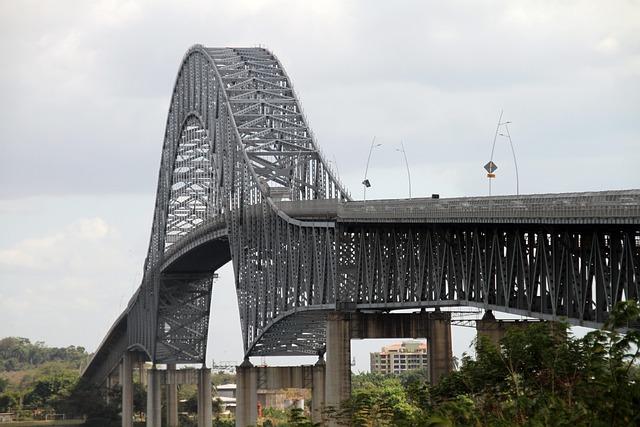
In a recent statement that underscores escalating geopolitical tensions in Latin America, U.S. political commentator Pete Hegseth has asserted that the United States and Panama will collaborate to regain control over the Panama Canal from increasing Chinese influence. The remarks, delivered during a media appearance, reflect broader concerns among U.S. officials regarding China’s growing presence in key strategic regions. As both nations navigate the intricacies of international relations, Hegseth’s comments illuminate the ongoing debate over sovereignty, economic partnerships, and the implications of foreign investment in critical infrastructure. This article explores Hegseth’s claims, the historical context of U.S.-Panama relations, and the potential ramifications of this stance on regional stability and global trade.
Hegseth Outlines Strategic Partnership to Counter Chinese Control in Panama Canal
In a recent statement, Hegseth emphasized the urgency of enhancing the United States’ strategic partnership with Panama to reclaim influence over the Panama Canal, which has been increasingly controlled by Chinese interests. He outlined a multi-faceted approach aimed at strengthening economic ties, military cooperation, and promoting mutual goals to mitigate China’s growing foothold in this vital maritime route. Hegseth underscored that the canal is not only a crucial artery for international trade but also an area of significant geopolitical significance. The U.S. aims to collaborate more closely with Panamanian authorities to ensure that management of the canal remains aligned with Western strategic interests.
Key components of this proposed partnership include:
- Increased Economic Assistance: Investing in infrastructure projects to bolster Panama’s economy.
- Joint Military Exercises: Enhancing security cooperation to safeguard the canal against external threats.
- Cultural Exchange Programs: Promoting mutual understanding and fostering goodwill between nations.
- Trade Agreements: Facilitating streamlined trade to bolster economic dependency on U.S.-led initiatives.
Hegseth also called attention to the broader implications of Chinese dominance in the region, highlighting the potential risk to U.S. national security. A proposed strategy is to create a coalition of like-minded countries to uphold the principles of free navigation and open markets. To illustrate this coalition’s potential framework, a brief overview of involved nations and commitments is seen in the table below:
| Country | Proposed Contribution |
|---|---|
| United States | Economic Investments |
| Panama | Security Implementation |
| Colombia | Regional Military Support |
| Mexico | Trade Facilitation |
Key Implications for US National Security and Regional Influence
The recent remarks by Hegseth regarding the United States and Panama’s intention to reclaim the Panama Canal from Chinese influence carry significant ramifications for US national security. The strategic importance of the canal, a critical maritime chokepoint, underscores its role in global trade and military logistics. By strengthening ties with Panama, the US aims to mitigate Chinese expansionism in Central America, thereby maintaining its influence in the region. This initiative reflects a broader strategy to counteract China’s Belt and Road Initiative, which has effectively entrenched Beijing’s presence in key infrastructure projects across Latin America.
Furthermore, the implications extend beyond mere territorial control. By fostering closer collaboration with Panama, the US can enhance intelligence sharing and defense cooperation, which are vital in today’s security landscape. The potential outcomes may include:
- Increased Naval Presence: Enhancing US naval capabilities in the Caribbean and Pacific.
- Strengthened Alliances: Building broader coalitions with regional partners to resist authoritarian influence.
- Economic Resilience: Promoting economic initiatives that reinforce US interests while curtailing reliance on Chinese investment.
This evolving dynamic illustrates a critical inflection point in US foreign policy, emphasizing the necessity to adapt to a rapidly changing geopolitical environment where soft and hard power must be balanced effectively.
Recommendations for Strengthening US-Panama Relations in Maritime Governance
To enhance cooperation in maritime governance, the United States and Panama should consider establishing a series of joint initiatives that focus on strengthening both nations’ maritime capabilities. These initiatives could include:
- Joint Training Programs: Conduct regular training exercises for both nations’ naval forces to improve operational coordination and readiness.
- Information Sharing Agreements: Create frameworks for sharing intelligence on maritime threats, including drug trafficking and piracy.
- Investment in Port Infrastructure: Collaborate on upgrading and securing vital ports to support economic growth and maritime security.
Additionally, fostering diplomatic engagement is crucial to building a robust maritime partnership. Key steps may involve:
- High-Level Discussions: Schedule regular summits focused specifically on maritime issues to address emerging challenges and align objectives.
- Cultural Exchange Programs: Promote exchanges that focus on maritime law and governance, enhancing understanding of both countries’ maritime strategies.
- Public Awareness Campaigns: Launch initiatives to educate the public on the importance of the canal region and its strategic role in global trade.
In Summary
In conclusion, the statement by Pete Hegseth highlights a growing concern over geopolitical influence in Latin America, particularly regarding the Panama Canal, a vital conduit for global trade. As the U.S. and Panama reaffirm their commitment to strengthen their partnership, the implications of countering Chinese influence in the region could reshape economic and diplomatic dynamics. This development underscores the increasing importance of strategic alliances in a multipolar world. As both nations navigate this complex landscape, the future of the Panama Canal and its role in international commerce remains a critical focal point for U.S.-Latin American relations. Continued observation of these unfolding events will be essential to understanding their wider impact on global trade and security.


