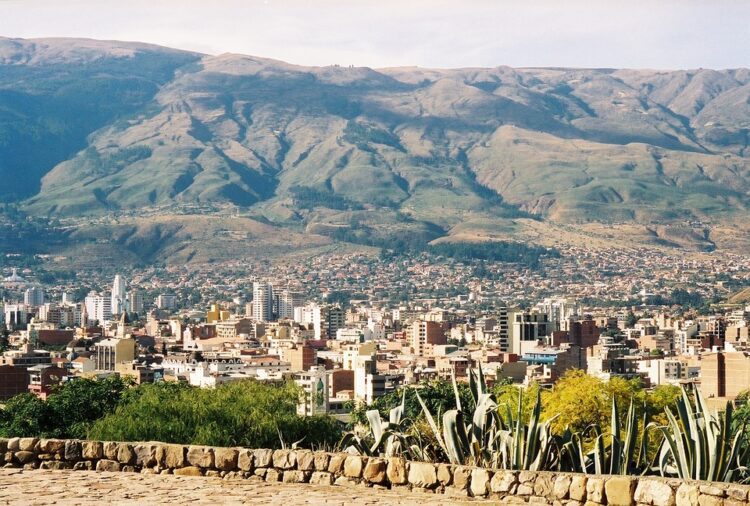
Pixabay/Public Domain
Our Methodology
For our list, we looked at two indexes: the GHS index of 2021 and the health pillar of the Legatum Prosperity index of 2023. The 2021 Global Health Security (GHS) Index assesses 195 countries’ preparedness for epidemics and pandemics across six categories. The global average score is 38.9, indicating weak international readiness despite COVID-19 efforts. Similarly, The Health pillar of the 2023 Legatum Prosperity Index assesses health outcomes, systems, risk factors, and mortality rates, highlighting the importance of physical and mental health and access to effective healthcare services for individual and national prosperity. Hence, we averaged the scores of GHS, and the health pillar’s from Legatum index and the final rankings in our list were adjusted according to the post-normalization average rankings we obtained from our two sources. We call these Insider-Monkey Scores.
“At Insider Monkey we are obsessed with the stocks that hedge funds pile into. The reason is simple: our research has shown that we can outperform the market by imitating the top stock picks of the best hedge funds. Our quarterly newsletter’s strategy selects 14 small-cap and large-cap stocks every quarter and has returned 275% since May 2014, beating its benchmark by 150 percentage points (see more details here).”
Here is our list of the 15 unhealthiest countries in Latin America.
15. Brazil
Insider Monkey Score: 13.5
The life expectancy at birth in Brazil is around 76 years, which is five years lower than the OECD average of 81 years. Women in Brazil have a life expectancy of 80 years, while men have a life expectancy of 72 years. In 2023, Brazil allocated 10.7% of its GDP to healthcare, approximately $161 billion. This is a high rate compared to Latin America but still a lot of work needs to be done. Per capita spending was about $1,258.
14. Nicaragua
Insider Monkey Score: 13.5
The life expectancy in Nicaragua, as of 2023, is 74.8 years, which is lower than the average for Latin America. This reflects the broader health challenges faced by the country, including high rates of non-communicable diseases (NCDs) such as obesity and diabetes. For instance, 32.1% of adult women and 20.6% of adult men are living with obesity, and diabetes affects 12.5% of adult women and 10.5% of adult men, according to data from the Global Nutrition Report.
13. Mexico
Insider Monkey Score: 12.5
The life expectancy in Mexico is approximately 75 years, which is six years lower than the OECD average of 81 years. Women in Mexico tend to live longer than men, with a life expectancy of 78 years compared to 72 years for men. However, Mexican women spend more years in poor health conditions compared to men, with an estimated 11.8 years spent with some disease or disability.
In 2022, Mexico’s health spending per capita was $1,181, less than half of Chile’s and below the OECD’s recommended 6% of GDP, with Mexico spending 5.5%. Medication was the largest household health expense at 43%, followed by hospital services at 15%. The Mexican health system faces challenges like obesity, diabetes, and health inequity, with 14% of the population lacking financial protection. Nearly 70% were covered by public health insurance in 2020, and the System of Social Protection in Health (SPSS) provides care for those not covered by Social Security.
12. Paraguay
Insider Monkey Score: 11.5
The prevalence of obesity is a huge concern in Paraguay, with a national obesity rate of 15.1% and even higher rates in certain areas, such as Limpio, where it reaches 26.5%. In 2021, Paraguay’s health spending reached 8% of GDP, the highest in a decade, but dropped to $0 in 2022. Public health expenditure was 4.12% of GDP in 2020, with out-of-pocket spending at 38.37%. The healthcare system faces challenges such as access gaps, discrimination, and shortages. Rising healthcare costs and a growing middle class have increased demand for affordable health insurance. By 2024, average spending per capita in Paraguay’s health insurance market is expected to be $50.86, with the market volume projected to reach $412.10 million by 2028.
11. Dominican Republic
Insider Monkey Score: 9.5
As of 2024, the life expectancy at birth in the Dominican Republic is estimated to be 72.6 years for the total population, with 71 years for males and 74.4 years for females. This is lower than the average life expectancy for the Americas. In 2021, 23.9% of the population lived in poverty, and 3.1% lived in extreme poverty, indicating a slight increase due to the COVID-19 pandemic.
10. Ecuador
Insider Monkey Score: 9.5
Ecuador stands tenth among the unhealthiest countries in Latin America. Since 2021, Ecuador’s health spending has ranged from 6–8% of GDP, with public spending at 4.97% of GDP in 2020 and out-of-pocket costs at 33.83% of total health expenditure. Ecuador’s publicly funded healthcare system provides free care to all residents, but access remains limited, especially in rural areas and among indigenous populations. Ecuador spends significantly less on healthcare per capita than the U.S., with fewer hospital beds and doctors. Health spending is projected to increase by $3.2 billion between 2024 and 2029, reaching $13.85 billion in 2029.
9. Belize
Insider Monkey Score: 8
The life expectancy in Belize was 74.9 years as of 2021, which is lower than the average for the Region of the Americas. In 2021, Belize’s healthcare spending was 5% of GDP, consistent since 2014. Per capita health expenditure rose to $310 from $173 in 2002. Out-of-pocket spending reached $28 million, 5% of total health expenditure, continuing its rise since 2010. Government health spending has also increased, covering 71.8% of total health spending in 2020, reducing the financial burden on individuals.
8. Suriname
Insider Monkey Score: 8
The prevalence of obesity is notably high in Suriname, with 36.7% of adult women and 21.5% of adult men being classified as obese. Diabetes is also prevalent, which affects 15.4% of adult women and 12.5% of adult men, contributing to the country’s health burden. The life expectancy in Suriname is 72.8 years as of 2023, which is lower than the average for the Region of the Americas but has improved by 7.3 years since 2000. In 2021, Suriname’s health spending was about 5% of GDP, reflecting a general increase since 2002. In 2020, public health spending was 4.38% of GDP, with out-of-pocket costs making up 20.52% of total health spending.
7. Guyana
Insider Monkey Score: 7
Guyana stands seventh among the unhealthiest countries in Latin America. The Indo-Guyanese and Afro-Guyanese populations, which form the majority, experience high rates of hypertension and diabetes, particularly among those over 50 years old. In 2021, Guyana’s health spending was 5% of GDP, down from 6% in 2020, with public health spending at 4.02% of GDP. In 2024, Guyana allocated $620.86 million to health, aiming to improve standards and resources. The World Bank prioritized health in its 2023-2026 engagement with Guyana, focusing on public health preparedness.
6. Venezuela
Insider Monkey Score: 6.5
The Venezuelan healthcare system has faced a collapse due to ongoing political and economic crises which has led to a resurgence of communicable diseases that were previously under control, such as measles, malaria, and diphtheria. In 2021, Venezuela’s healthcare spending was 4% of GDP, down from 7% earlier in the decade, below the WHO’s 5% recommendation. Public health spending was 1.68% of GDP, with out-of-pocket costs rising to 28% of total health spending. The healthcare system struggles with shortages of surgical supplies, food insecurity, and water shortages, worsening conditions for patients, particularly children under two.
5. El Salvador
Insider Monkey Score: 6.5
Conditions such as diabetes, hypertension, and chronic kidney disease are the most common in El Salvador. For instance, there are approximately 487,875 cases of diabetes mellitus, 1,446,381 cases of hypertension, and 459,114 cases of chronic kidney disease nationwide. In 2021, El Salvador’s health spending was 10% of GDP, well above the regional average of 3.8%. In 2022, the health budget was $1.09 billion, mainly funded by the government, with contributions from foreign loans and donations. The government also relied on international aid and loans to manage the pandemic.
4. Honduras
Insider Monkey Score: 5
Honduras is a low-middle-income country with over 60% of its population living in poverty. The country experiences a double burden of malnutrition, with 23% of children under five experiencing stunting due to chronic malnutrition, while 51% of women of reproductive age are overweight or obese, according to USAID data. There are only 3.9 physicians per 10,000 individuals in the country, far below the World Health Organization’s recommended 25 per 10,000. As of May 31, 2024, Honduras’s health expenditure was 9.2% of GDP, up from 9.1% in 2021, the highest since 2010, which marks a two-percentage-point increase since 2017 when it was nearly 7%.
3. Guatemala
Insider Monkey Score: 4
Life expectancy in Guatemala is relatively low compared to other Latin American countries. As of 2024, the life expectancy at birth is estimated at 73.5 years, with males having a life expectancy of 71.5 years and females 75.6 years. A significant portion of the population lacks access to basic health and nutrition services, with more than six million people, or about 35% of the population, affected, per figures from USAID. In 2023, Guatemala’s Ministry of Health allocated $6.4 million to UNICEF for health and nutrition programs. In 2021, household out-of-pocket health spending reached $3.66 billion, with per capita health expenditure rising to $341 from $107 in 2002.
2. Bolivia
Insider Monkey Score: 4
Malnutrition is a significant issue in Bolivia, with 7% of children under five and 23% of the population suffering from malnutrition. Additionally, less than 10% of rural Bolivians have access to improved sanitation facilities. Bolivia ranks poorly in reproductive health, fulfilling only 58% of what is expected based on its income. The country has a high fertility rate of approximately three children per woman, sustained by limited access to family planning services. Contraceptive use is low, with only 35% of married women using modern methods, according to PRB.org.
1. Haiti
Insider Monkey Score: 1
Haiti tops the list for being the unhealthiest country in Latin America. Haiti faces numerous health challenges, including low access to primary and preventive healthcare, high infant and maternal mortality rates, and a lack of vaccination coverage. Only 68% of children under 24 months have received vaccines for diseases like diphtheria, tetanus, and pertussis, according to the World Bank. The average life expectancy in Haiti is approximately 50 years, which is significantly lower than the regional average. In 2023, Haiti’s health spending is $1.07 billion, or $93.87 per capita, making up 7% of GDP. This is relatively low compared to other low-income countries, where average spending is around $13 per person. More than half of Haiti’s health budget is spent on curative rather than preventive care. Health spending as a percentage of GDP has decreased from 4% in 2019 to 3% in 2021, though international aid and private funds can raise this percentage.
READ NEXT: $30 Trillion Opportunity: 15 Best Humanoid Robot Stocks to Buy According to Morgan Stanley and Jim Cramer Says NVIDIA ‘Has Become A Wasteland’.
Disclosure. None: The 15 Unhealthiest Countries in Latin America is originally published on Insider Monkey.
Source link : http://www.bing.com/news/apiclick.aspx?ref=FexRss&aid=&tid=66f6f62f670d48ada605b72d00fb1ab5&url=https%3A%2F%2Fwww.insidermonkey.com%2Fblog%2F15-unhealthiest-countries-in-latin-america-1337221%2F&c=16164018117606225211&mkt=en-us
Author :
Publish date : 2024-09-27 07:06:00
Copyright for syndicated content belongs to the linked Source.