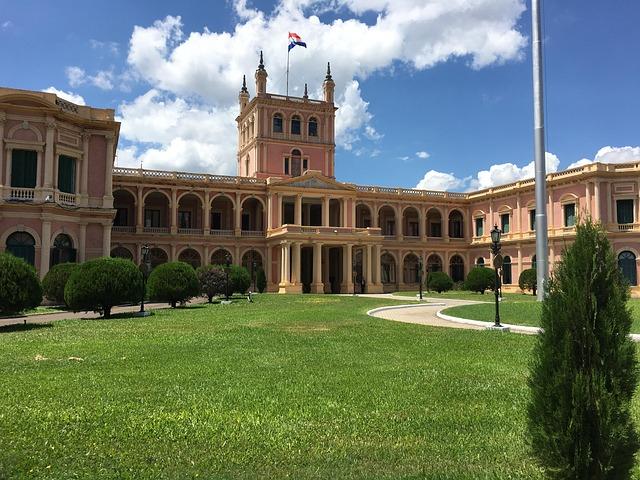
How Paraguay Became a Bastion of Conservatism in Latin America
In a region often characterized by political upheaval and shifting ideologies, Paraguay stands out as a notable stronghold of conservatism in Latin America. Over the past few decades, this landlocked nation has emerged as a surprising champion of traditional values, defying the leftward trends observed in many of its neighboring countries. From the rise of conservative political parties to the influence of religious institutions, various factors have converged to solidify Paraguay’s reputation as a bulwark against more progressive movements. As the country navigates the complexities of modern governance, it raises critical questions about identity, power, and the future of political thought in a continent marked by ongoing transformation. This article delves into the historical, cultural, and social dynamics that have shaped Paraguay’s conservative landscape, revealing the intricate tapestry of influences that have positioned it as a unique player in the Latin American political arena.
Paraguay’s Unique Political Landscape: The Rise of Conservatism Amidst Shifting Ideologies
In recent years, Paraguay has experienced a remarkable shift towards conservatism, positioning itself as a stronghold of traditional values amidst a backdrop of evolving political ideologies in Latin America. This transformation is largely attributed to a combination of socio-economic factors and grassroots movements that have invigorated conservative sentiment among the electorate. Key elements contributing to this phenomenon include:
- Economic Stability: Paraguay’s relatively stable economy has shifted the focus towards concerns about fiscal responsibility and growth, drawing voters to conservative parties that promise pragmatism over idealism.
- Public Security: With rising crime rates, the populace has gravitated towards conservative candidates who advocate for tougher law enforcement policies.
- Loss of Trust in Progressive Policies: Many Paraguayans have grown disillusioned with progressive governments, leading them to favor candidates that pledge to uphold traditional values.
Additionally, the rise of social media has played a crucial role in disseminating conservative ideas, particularly among younger demographics who are increasingly vocal about their beliefs. This digital mobilization has allowed conservative movements to thrive by reaching diverse audiences, enhancing civic engagement and political participation. The consolidated influence of conservative parties is reflected in recent electoral outcomes, as indicated in the following table that highlights shifts in parliamentary representation:
| Year | Conservative Representation (%) | Progressive Representation (%) |
|---|---|---|
| 2013 | 35 | 40 |
| 2018 | 45 | 30 |
| 2023 | 55 | 25 |
Cultural and Economic Factors Driving Conservative Values in Paraguay
In Paraguay, the interplay of cultural and economic factors has crafted an environment where conservative values flourish. A deep-rooted *Catholic tradition* permeates the country’s fabric, influencing social norms and political perspectives. This cultural backdrop fosters community solidarity and a preference for *traditional family structures*, often translated into policy support for conservative political parties. The enduring legacy of the *Triple Alliance War* has also shaped national identity, fostering a resilience steeped in conservative ideology, distrust of external influences, and prioritization of national sovereignty.
On the economic front, Paraguay’s landscape is largely defined by a significant agrarian sector, which employs a large portion of the population and anchors itself in *traditional methods of land cultivation*. The economic viability of this sector sustains conservative values through labor dynamics that favor familial ties and local practices over progressive reforms. As a result, many view strides toward modernity with skepticism, leading to a *politically cautious* populace that prefers stability over transformation. This combination of *cultural heritage* and *economic realities* underpins a strong preference for conservative governance, reflecting a broader trend in Latin America where economic challenges often reinforce traditionalist values.
Strategies for Promoting Democratic Engagement and Inclusivity in a Conservative Context
In a conservative landscape like Paraguay, fostering democratic engagement and inclusivity requires innovative approaches that resonate with the cultural and political values of its citizens. One effective strategy is community mobilization, where grassroots organizations can serve as catalysts for civic participation. By empowering local leaders and utilizing their understanding of community dynamics, these groups can facilitate dialogues that address pressing social issues, encouraging citizens to voice their opinions and engage in the political process. These dialogues can be coupled with educational initiatives aimed at increasing awareness of democratic rights and responsibilities, making engagement more accessible to all layers of society.
Another important element is the establishment of collaborative platforms that bring together diverse community stakeholders, including local businesses, educational institutions, and civil society organizations. These platforms can help to create a sense of shared purpose and collective responsibility for democratic governance. Furthermore, they can facilitate outreach programs that specifically target marginalized communities, ensuring their perspectives and needs are prioritized. It is critical that these strategies also incorporate technology and social media as tools for outreach and communication, leveraging their widespread use among younger generations to bolster participation. By aligning democratic values with the existing conservative framework, these strategies hold the potential to deepen civic engagement and promote a more inclusive political environment.
In Summary
In conclusion, Paraguay’s evolution into a bastion of conservatism in Latin America is underscored by a complex interplay of historical legacies, social dynamics, and political choices. As the country navigates the challenges of modernization and global influence, its commitment to traditional values and governance reflects a broader trend within the region, where conservative movements have gained traction amidst economic uncertainties and political polarization. Observers will be keen to watch how Paraguay balances its deep-rooted conservatism with the demands of a rapidly changing world, as this unique position not only shapes its national identity but also influences the broader landscape of Latin American politics. As the nation prepares for future elections and policy debates, the implications of its conservative stance will undoubtedly resonate beyond its borders, prompting a reevaluation of progressive ideals and governmental approaches throughout the region.