
Title: Navigating the Shadows: The Paraguay-Paraná Waterway Cocaine Superhighway
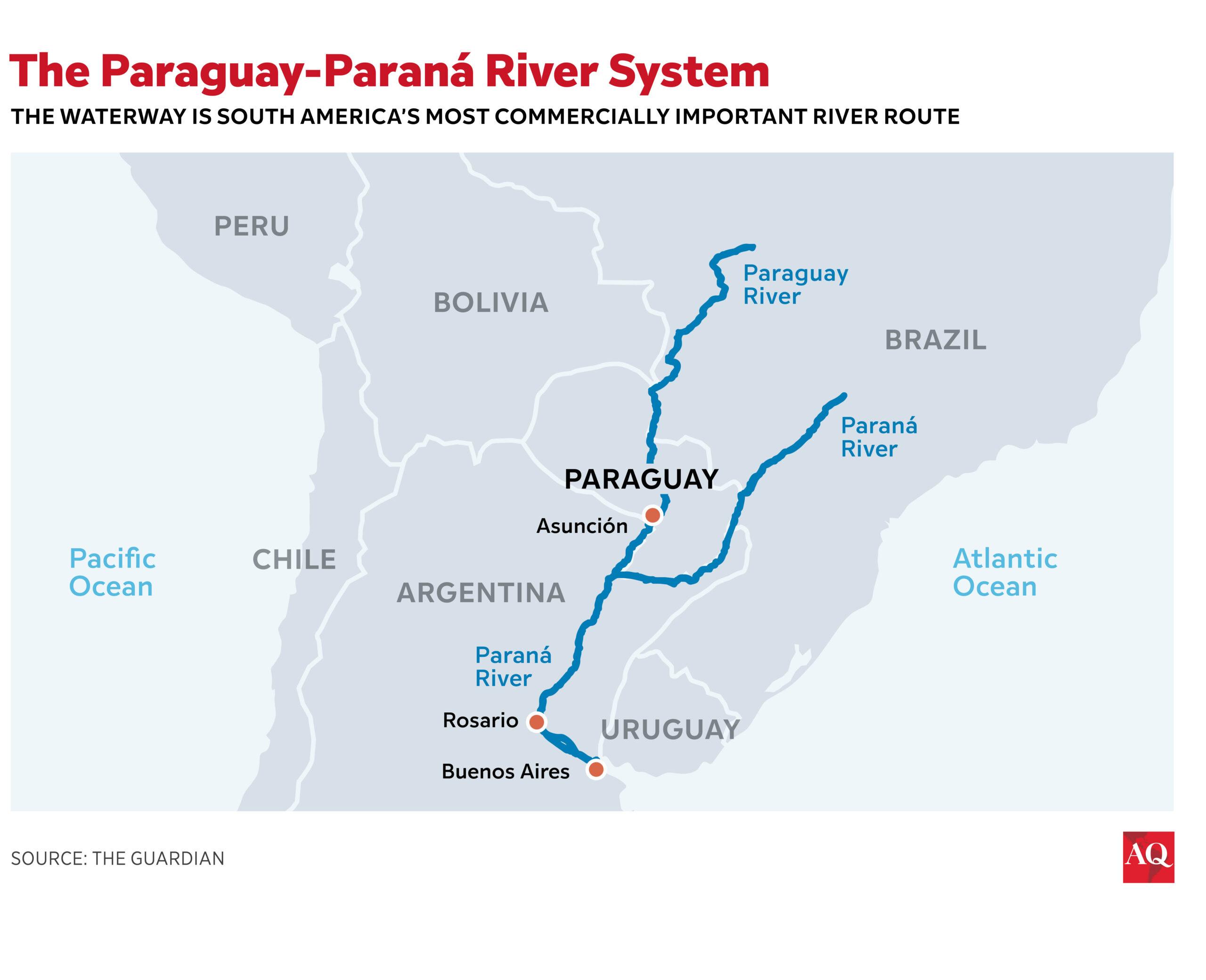
In the heart of South America, a series of interconnected rivers known as the Paraguay-Paraná Waterway has evolved into a crucial artery for trade and commerce. However, beneath its surface lies a more sinister reality: the emergence of a cocaine trafficking superhighway that is reshaping the dynamics of drug smuggling in the region. From the lush forests of Bolivia to the bustling ports of Argentina and Paraguay, the waterways now serve as a conduit for narco-traffickers seeking to navigate law enforcement and transport illicit goods with alarming efficiency. This article delves into the complex web of challenges posed by drug cartels utilizing this often-overlooked river system, highlighting the implications for regional security, governance, and the local communities caught in the crossfire. As authorities grapple with escalating violence and corruption, understanding the intricate operations along the Paraguay-Paraná Waterway has never been more crucial.
The Rise of the Paraguay-Paraná Waterway as a Cocaine Trafficking Route
The Paraguay-Paraná Waterway, an intricate network of rivers that flows through Brazil, Paraguay, and Argentina, has evolved into a strategic conduit for cocaine trafficking in South America. This location, with its vast waterways and hidden tributaries, offers traffickers the ability to move large quantities of illegal drugs with relative ease and diminished risk of detection. The waterway’s accessibility facilitates a seamless supply chain, allowing for the rapid transport of narcotics from production zones in Bolivia and Peru straight to the lucrative markets of Brazil and Argentina. Recent intelligence suggests that cartels are increasingly leveraging this route, leading to concerns over rising violence and corruption in the border regions.
The implications of this burgeoning trade are significant, affecting not only local economies but also international security. Authorities are now grappling with the challenge of enforcing maritime laws in labyrinthine waterways where law enforcement is stretched thin. Strategies to combat this phenomenon involve increased patrolling and cooperation between countries that share these water routes. Some of the key aspects influencing this rise in drug trafficking include:
- Geographic Advantage: The waterway’s extensive reach provides a natural cover for smugglers.
- Weak Border Enforcement: Limited resources allow traffickers to exploit enforcement gaps.
- Corruption: Local officials may turn a blind eye to the activities due to bribery and systemic corruption.
- Adaptive Trafficking Methods: Use of speedboats and barges to circumvent traditional land routes.
Economic Impacts and Environmental Concerns of Cocaine Smuggling Along the Waterway
The cocaine smuggling route along the Paraguay-Paraná Waterway presents significant economic ramifications for the countries it traverses. While this illicit trade may provide a short-term influx of cash for local economies, the long-term effects are detrimental. Communities may experience increased violence and corruption as drug cartels vie for control over lucrative shipping routes. Moreover, the reliance on drug trade can overshadow legitimate businesses, stifling economic growth and development. Key economic impacts include:
- Job displacement: Legal employment opportunities diminish as illegal activities dominate the local economy.
- Corruption and bribery: Public officials often succumb to the lure of drug money, undermining governance.
- Impact on tourism: Safety concerns deter visitors, affecting legitimate businesses that rely on tourism.
Environmental concerns add yet another layer of complexity. The waterways, which are essential for biodiversity and local livelihoods, face severe pollution due to drug production and transportation practices. The application of toxic chemicals in coca cultivation and the disposal of waste from smuggling operations poison surrounding ecosystems and water sources. Furthermore, deforestation in areas used for coca farming leads to loss of wildlife habitat and contributes to climate change. Key environmental impacts to consider include:
- Water pollution: Contaminants from drug production threaten aquatic life.
- Deforestation: Coca plantations replace vital forests, disrupting carbon sequestration.
- Loss of biodiversity: Species face extinction due to habitat destruction linked to the drug trade.
Strategies for Strengthening Border Security and Combating Drug Trade in Latin America
To effectively combat the rampant drug trade along the Paraguay-Paraná waterway, a multi-faceted approach is essential. Governments must enhance their collaboration and intelligence-sharing through international partnerships, particularly among affected countries like Paraguay, Argentina, and Brazil. This could involve establishing joint task forces focused on drug interdiction, intelligence analysis, and surveillance operations. Key strategies may include:
- Increased maritime patrols along vulnerable sections of the waterway.
- Utilization of advanced technology, such as drones and radar systems, to monitor illegal activity.
- Public-private partnerships to secure critical transportation infrastructure against drug trafficking organizations.
Additionally, addressing socio-economic factors that contribute to drug cultivation and trafficking can further diminish the influence of cartels in the region. Investing in rural development programs and vocational training can provide alternatives to impoverished communities. Furthermore, amplifying community-focused law enforcement and educational initiatives can foster resilience against the allure of narcotics. The following measures could significantly bolster these efforts:
- Promotion of sustainable agriculture to replace coca cultivation.
- Establishment of community policing initiatives that empower local residents against crime.
- Training programs aimed at law enforcement to build community trust and deter local complicity with drug operations.
| Strategy | Impact Level |
|---|---|
| Joint International Task Forces | High |
| Community Policing | Medium |
| Sustainable Agriculture Promotion | High |
| Advanced Surveillance Technology | Medium |
Concluding Remarks
In conclusion, the Paraguay-Paraná Waterway has emerged as a critical artery in the ongoing battle against drug trafficking in South America. As authorities grapple with the sophisticated networks that exploit this vital transport route, the implications extend far beyond regional borders. The intertwining of economic interests and rampant corruption poses significant challenges for law enforcement agencies and regional governments alike. While the waterway facilitates legitimate commerce and development, it simultaneously serves as a conduit for illicit trade, raising urgent questions about security, governance, and international cooperation. As the situation continues to evolve, it is clear that collaborative efforts are essential to disrupt the cocaine superhighway and curtail its far-reaching impact on society. The fight against drug trafficking in this region is not just a local concern but a pivotal global issue that demands immediate and sustained action.











