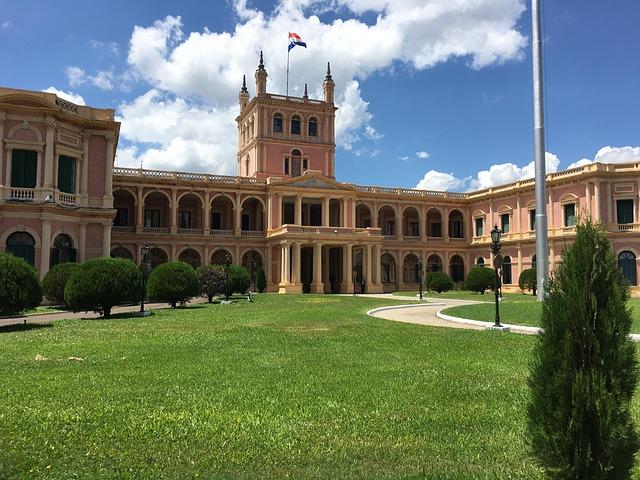
Paraguay Strengthens Security Ties with US as Lawmakers Approve Defense Agreement
In a significant move reflecting deepening military cooperation, Paraguayan lawmakers have approved a controversial defense agreement that permits a greater presence of United States military forces within the country. This decision comes amid rising concerns about regional security challenges, including organized crime and drug trafficking, which have prompted Paraguay to seek enhanced support from its northern ally. While proponents argue that the agreement will bolster national defense capabilities, critics worry about potential sovereignty implications and the long-term ramifications of increased foreign military presence. As both nations prepare to forge ahead with this partnership, the agreement marks a pivotal moment in Paraguay’s military and diplomatic landscape, eliciting varied reactions from the public and international observers alike.
Paraguay Strengthens Defense Ties with the US Amid Regional Security Concerns
In a significant move underscoring its commitment to regional security, Paraguay’s legislature has approved a new defense agreement with the United States. This pact is perceived as a response to increasing security challenges in South America, including drug trafficking and organized crime. The agreement facilitates a greater U.S. military presence in Paraguay, which officials believe will bolster the country’s efforts to combat these pressing issues and enhance military cooperation. Key aspects of the agreement include:
- Joint Training Exercises: Enhanced military drills to improve interoperability between Paraguayan and U.S. forces.
- Counter-Narcotics Operations: Increased support for operations targeting drug trafficking networks.
- Technology Sharing: Access to advanced technology and intelligence that will strengthen Paraguay’s defense capabilities.
This bolstered partnership arrives amid concerns about instability in neighboring countries, drawing attention to Paraguay’s strategic role in the region. Lawmakers expressed optimism that the agreement will not only improve national security but also attract investment and resources to further develop Paraguay’s military infrastructure. In light of the decision, it is imperative for both nations to ensure the partnership respects Paraguay’s sovereignty while effectively addressing shared threats.
Implications of Increased US Military Presence for Paraguay and Neighboring Nations
The approval of the defense agreement enabling a greater U.S. military presence in Paraguay has sparked a flurry of reactions from both domestic and regional actors. For Paraguay, this agreement might enhance security capabilities and foster military modernization, yet it raises concerns about sovereignty and the potential for increased foreign influence. Critics argue that the long-term implications may include a dependency on U.S. support, which could undermine Paraguay’s autonomous decision-making in security matters. Additionally, local communities may perceive the heightened military presence as a deviation from Paraguay’s traditionally neutral stance in international conflicts.
Beyond Paraguay, neighboring nations are compelled to reassess their strategic positions in light of this development. The increase of U.S. military assets in the region could provoke various reactions, leading to:
- Regional Tensions: Countries like Brazil and Argentina might view this presence as a threat, prompting them to increase their military readiness.
- Shifts in Alliances: Nations could recalibrate their defense partnerships, either fortifying ties with the U.S. or seeking alternative alliances.
- Increased Military Cooperation: Latin American nations may engage in joint exercises and initiatives to counter perceived threats from U.S. encroachment.
Given these dynamics, it is clear that both Paraguay and its neighbors stand at a crossroads, where the repercussions of enhanced military cooperation are likely to ripple through diplomatic, economic, and security frameworks across the continent.
Recommendations for Balancing National Sovereignty with Enhanced Defense Cooperation
As Paraguay moves forward with a defense agreement that allows for a greater U.S. military presence, it is crucial for lawmakers and policymakers to adopt strategies that ensure national sovereignty is maintained while fostering enhanced defense cooperation. This can be achieved through the implementation of transparent frameworks that involve local stakeholders in decision-making processes. Key recommendations include:
- Regular Consultations: Establish ongoing dialogues between government officials, military representatives, and civil society to ensure that national interests are prioritized.
- Clear Legal Frameworks: Develop agreements that define the role, limitations, and responsibilities of foreign military personnel within Paraguay.
- Accountability Mechanisms: Implement oversight functions to monitor U.S. military activities and ensure adherence to Paraguayan laws.
Moreover, fostering a culture of collaboration while safeguarding national integrity requires a thoughtful approach towards defense collaborations. Strategies should include:
- Joint Training Programs: Conduct joint exercises that not only enhance military capabilities but also promote cultural exchange and mutual respect.
- Informed Public Engagement: Initiate nation-wide discussions and informational campaigns to keep the public informed about agreements and their implications for national security.
- Emphasizing Regional Stability: Stress the importance of regional partnerships and collective security measures that align with Paraguay’s strategic interests.
Closing Remarks
In conclusion, the recent approval of a defense agreement by Paraguay’s lawmakers marks a significant shift in the nation’s military collaboration with the United States. This decision comes amid increasing regional security concerns and signals a potential strengthening of ties between the two nations. As the U.S. prepares to bolster its military presence in Paraguay, the implications of this agreement will likely extend beyond military cooperation, influencing diplomatic relations and regional dynamics. As developments unfold, the focus will be on how this partnership shapes the future of security in Paraguay and the broader South American context. The world will be watching closely as these strategic changes take shape.