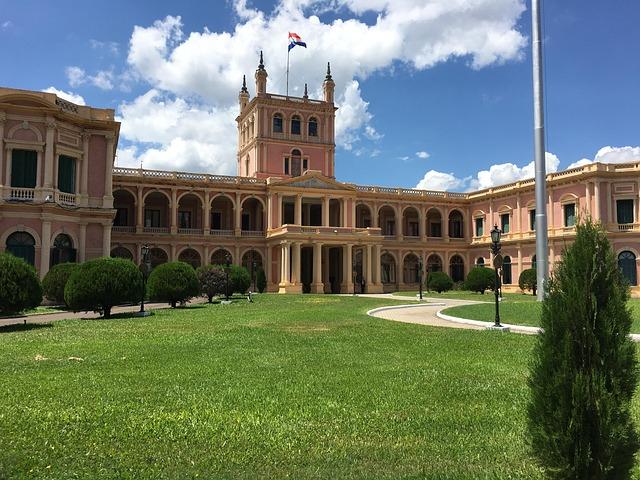
In a significant diplomatic alignment, Paraguay has thrown its support behind the United States’ initiative to designate Brazil’s criminal factions, the Primeiro Comando da Capital (PCC) and Comando Vermelho (CV), as terrorist organizations. This move underscores the growing concern over organized crime in the region and showcases Paraguay’s commitment to bolstering international cooperation in the fight against cross-border criminal enterprises. As the U.S. seeks to tackle escalating violence and drug trafficking linked to these groups, Paraguay’s backing highlights the urgent need for a unified response amid rising security challenges in South America. The endorsement could have far-reaching implications not only for regional stability but also for the diplomatic ties between these nations as they confront common threats.
Paraguay’s Strategic Support for U.S. Terror Designation of Brazil’s PCC and CV
As the United States escalates its efforts to counter transnational criminal organizations, Paraguay has publicly endorsed Washington’s decision to designate Brazil’s Primeiro Comando da Capital (PCC) and Comando Vermelho (CV) as terrorist groups. This significant alignment underscores Paraguay’s commitment to regional security and its proactive stance against organized crime that has increasingly spilled across borders. By supporting this U.S. move, Paraguay aims to strengthen cooperation in intelligence-sharing and counter-narcotics operations, fostering a unified approach to dismantling these violent entities that harm the collective stability of South America.
Paraguay’s strategic support manifests through several key initiatives aimed at enhancing regional cooperation. These include:
- Enhanced Border Security: Increase patrols and surveillance measures at critical crossing points to combat trafficking.
- Joint Operations: Facilitate joint military and police operations with Brazilian and U.S. forces to disrupt PCC and CV activities.
- Legal Frameworks: Work on the integration of anti-terrorism laws to align with international standards and enable more stringent action against these groups.
Moreover, Paraguay is set to collaborate with neighboring nations to formulate a comprehensive strategy that addresses the socioeconomic factors contributing to gang recruitment. This multifaceted approach emphasizes not only military and law enforcement efforts but also community engagement and development initiatives that aim to reduce the appeal of organized crime for vulnerable populations. Through these concerted efforts, Paraguay seeks to play a pivotal role in promoting stability and security in the region.
Implications for Regional Security and International Cooperation
The recent decision by Paraguay to support the United States in labeling Brazil’s criminal organizations, the Primeiro Comando da Capital (PCC) and the Comando Vermelho (CV), as terrorist groups has significant ramifications for the stability and security of the region. This alignment underscores a growing sense of urgency among South American nations to confront transnational crime, which has frequently destabilized local governments and economies. By taking a firm stance, Paraguay hopes to address the evolving threat posed by these organizations that have expanded their influence across borders, including drug trafficking and organized violence.
Such developments will likely catalyze enhanced cooperation between regional actors and international partners. In particular, this initiative may lead to initiatives that include:
- Joint Operations: Increased collaboration among law enforcement agencies to dismantle these criminal networks.
- Information Sharing: Establishment of comprehensive intelligence-sharing frameworks to monitor and counteract the activities of the PCC and CV.
- Economic Assistance: Support from the U.S. and allies to strengthen local governments, thereby enabling them to combat security threats more effectively.
| Organization | Country of Origin | Year Established |
|---|---|---|
| PCC | Brazil | 1993 |
| CV | Brazil | 1979 |
Recommendations for Strengthening Counterterrorism Efforts in South America
To enhance counterterrorism efforts in South America, a multi-faceted approach must be adopted, emphasizing regional cooperation and intelligence sharing. Key recommendations include:
- Strengthening Regional Partnerships: Countries should enhance collaborative operations through platforms like UNASUR to coordinate responses to terrorist threats.
- Intelligence Sharing: Establish a centralized database for intelligence on suspected terrorist activities, facilitating a swift response.
- Training and Capacity Building: Invest in joint training programs for law enforcement and military personnel to better understand and tackle organized crime and terrorism.
- Community Engagement: Implement community outreach initiatives to address radicalization, focusing on vulnerable groups to prevent recruitment.
Additionally, it is essential to tackle the financial networks that support these groups. Governments should consider establishing comprehensive systems to monitor and disrupt illicit financial activities. A consolidated approach could involve:
| Action | Description |
|---|---|
| Financial Tracking | Implement measures to monitor fundraising activities of terrorist organizations. |
| Legislative Enhancements | Adopt robust anti-money laundering laws to impede funding sources. |
| International Cooperation | Engage with global financial institutions to ensure compliance with anti-terrorism financing regulations. |
In Conclusion
In conclusion, Paraguay’s endorsement of the United States’ initiative to classify Brazil’s Primeiro Comando da Capital (PCC) and Comando Vermelho (CV) as terrorist organizations reflects a significant alignment in regional security strategies. This move not only underscores the growing concern over transnational crime and violence in South America but also highlights the necessity for collaborative efforts among neighboring countries to combat organized crime. As the situation continues to evolve, the implications of this designation remain critical not only for Brazil and Paraguay but for the wider region as it grapples with the challenges posed by powerful criminal factions. Policymakers and analysts alike will be closely monitoring the developments, as this designation could redefine counter-terrorism and law enforcement strategies in the region.