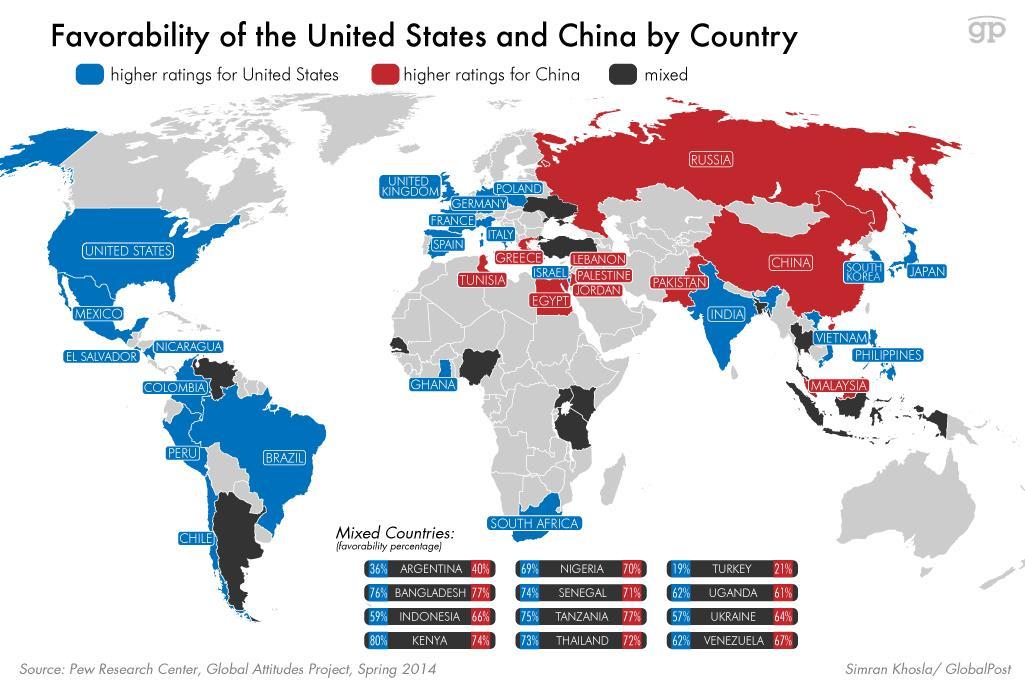
In recent months, the Paraguay-Paraná River system, a vital trade artery in South America, has emerged as a new front in the escalating competition between the United States and China for regional influence. Stretching over 3,400 kilometers and traversing through several key nations, this river system is not only crucial for transportation and economic development but also holds significant strategic importance in the geopolitical chess game played by these two global powers. As both nations vie to cement their partnerships with countries like Paraguay and Argentina, the implications of their rivalry extend beyond mere trade, with potential repercussions for environmental policies, infrastructure investments, and regional stability. This article delves into the dynamics of U.S.-China competition in this critical waterway, exploring how their conflicting strategies could reshape the landscape of South American geopolitics in the years to come.
U.S. Strategies to Counter China’s Influence in South America’s Vital Waterways
The U.S. has embarked on a multi-faceted approach to combat China’s growing influence in South America, particularly around the vital Paraguay-Paraná River system. By enhancing diplomatic ties and leveraging economic partnerships, the U.S. aims to solidify its presence in the region. Key initiatives include:
- Investing in Local Infrastructure: The U.S. seeks to support sustainable development projects, focusing on improving transportation and trade routes that enhance regional connectivity.
- Strengthening Trade Agreements: Updating and expanding trade pacts with South American nations to ensure fair competition and reduce dependence on Chinese investments.
- Promoting Environmental Cooperation: Engaging with regional partners on initiatives that address ecological sustainability and protect the river system from misuse and over-exploitation.
Moreover, the U.S. has initiated joint military exercises with South American countries to foster security cooperation on river navigation and combat the illicit trafficking that often plagues these waterways. These collaborations are designed to underscore a commitment to uphold sovereignty while countering external pressures. A recent table detailing the U.S.’s strategic partnerships includes:
| Partner Country | Key Initiative | Launch Date |
|---|---|---|
| Argentina | Infrastructure Development | June 2023 |
| Paraguay | Trade Agreement | August 2023 |
| Brazil | Environmental Cooperation | September 2023 |
China’s Infrastructure Investments: Opportunities and Challenges for Regional Sustainability
As competition intensifies between the United States and China for strategic influence in Latin America, the Paraguay-Paraná River System emerges as a crucial battleground. Central to China’s approach is its ambitious plan for infrastructure investments throughout the region, particularly in South America. These undertakings promise to enhance transportation networks, boost regional trade, and stimulate local economies. However, they also present significant challenges, such as the potential for unsustainable environmental impacts and socio-economic disparities that could exacerbate existing inequalities. Stakeholders are now tasked with balancing economic growth with the critical need for ecological preservation.
To foster regional sustainability, careful consideration must be given to the mechanisms of these investments. Key factors influencing the impact of infrastructure projects include:
- Environmental Assessment: Ensuring thorough evaluations of ecological impacts prior to project commencement.
- Community Engagement: Involving local populations in decision-making processes to align projects with their needs and concerns.
- Long-term Planning: Developing strategies that prioritize sustainable development and climate resilience.
| Investment Aspect | Challenge | Opportunity |
|---|---|---|
| Infrastructure Development | Environmental degradation | Enhanced trade routes |
| Energy Projects | Displacement of communities | Access to renewable resources |
| Economic Investment | Debt sustainability | Job creation |
Collaborative Solutions for Governance of the Paraguay-Paraná River System
As geopolitical tensions escalate between the U.S. and China, both nations are increasingly vying for influence over the governance of the Paraguay-Paraná River System-a vital waterway in South America that plays a crucial role in sustaining regional economies and ecosystems. In recent months, collaborative solutions have emerged as potential pathways to mitigate these power struggles and ensure equitable resource management. Experts advocate for regional cooperation, emphasizing the need for shared governance frameworks that promote inclusivity among the countries that rely heavily on the river system, namely Argentina, Paraguay, and Brazil.
Strategies for fostering collaboration include the establishment of transnational agreements that prioritize sustainable development and local community involvement. Efforts to enhance transparency, such as creating joint monitoring bodies, can empower stakeholders to address issues like pollution, deforestation, and overfishing. Key initiatives may involve:
- Establishing a regional task force for environmental management
- Implementing joint infrastructure projects that benefit all nations
- Encouraging investment in renewable energy solutions that leverage river resources
By creating a cooperative framework, countries can not only safeguard the river system for future generations but also navigate the complexities of international influence, turning a potential battleground into a collaborative frontier for mutual benefit.
Closing Remarks
In conclusion, the ongoing contest for influence over the Paraguay-Paraná river system underscores the broader geopolitical dynamics at play between the United States and China in Latin America. As both nations seek to expand their reach through strategic investments and partnerships, the implications for regional politics and economics are profound. The river system, vital for trade and transportation, is becoming a pivotal battleground in this struggle for dominance. As the situation evolves, stakeholders in the region will need to navigate the intricacies of foreign involvement while prioritizing their national interests and fostering sustainable development. The outcome of this rivalry may not only shape the future of the Paraguay-Paraná basin but also redefine the landscape of international relations in the Americas. As we watch these developments unfold, the importance of collaboration and dialogue remains paramount for ensuring that the benefits of this critical waterway are shared equitably among all nations involved.