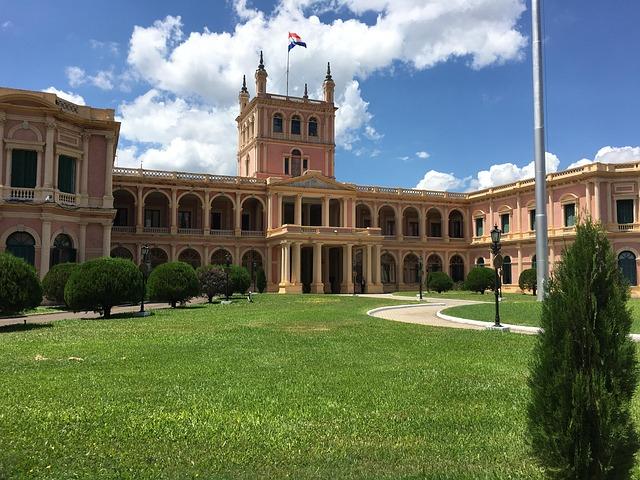
Paraguay’s Boom Has Yet to Fully Deliver: A Closer Look at Economic Promises and Realities
In recent years, Paraguay has emerged as an unexpected economic success story in South America, boasting impressive growth rates that have drawn the attention of investors and economists alike. With a wealth of natural resources, a burgeoning agricultural sector, and strategic international partnerships, the nation has been touted as a model of resilience and potential. However, despite this economic boom, many Paraguayans remain skeptical about whether these gains have truly translated into widespread prosperity. As disparities persist and challenges loom, the question arises: can the promise of growth be realized for all citizens, or will it remain an elusive dream? In this article, we delve into the complexities of Paraguay’s economic landscape, exploring the factors that contribute to its growth while examining the ongoing struggles faced by its population.
Economic Growth and Social Challenges: The Disparity in Paraguay’s Development
The economic ascent that Paraguay has experienced in the past decades stands in stark contrast to the persistent social issues that continue to plague the nation. While the country has become one of the fastest-growing economies in the region, driven largely by agricultural exports and foreign investment, this growth has been uneven. Poverty rates remain significantly high, particularly in rural areas, where many communities are still reliant on subsistence farming. The infrastructure deficits and inadequate access to education and healthcare exacerbate these challenges, leaving large segments of the population on the sidelines of national development. A closer examination reveals that while GDP may be soaring, the benefits are not universally shared, with urban centers enjoying prosperity far removed from the struggles faced by the countryside.
Compounding these disparities are complex social factors that influence the quality of life for many Paraguayans. The growing wealth gap often leaves marginalized groups without the means to partake in the economic boom. Issues such as corruption, land ownership disputes, and lack of social mobility further entrench inequality. Despite government initiatives aimed at promoting social welfare and economic inclusivity, the effectiveness of these programs remains in question. As Paraguay grapples with these multifaceted challenges, it becomes crucial to prioritize policies that not only stimulate economic growth but also ensure equitable distribution of resources, thereby addressing the root causes of social disparity. A holistic approach may offer a path toward a more balanced and inclusive future for all Paraguayans.
Harnessing Agricultural Potential: Strategies for Inclusive Growth in Rural Areas
Paraguay, rich in agricultural resources, stands at a crossroads where strategic policy implementation can unlock its full potential. Encouraging inclusive growth in rural areas hinges on enhancing access to resources for smallholder farmers and promoting sustainable practices. Key initiatives could include:
- Strengthening cooperatives: Fostering collaboration among farmers can improve their bargaining power and access to markets.
- Investment in infrastructure: Developing access roads, storage facilities, and irrigation systems to streamline production and distribution.
- Education and training: Providing farmers with the knowledge they need to adopt modern agricultural techniques and technologies.
However, these strategies must be coupled with investment in research and development to drive innovation and resilience against climatic challenges. A concerted effort to establish fair trade practices and improve access to finance can empower rural communities. The following table outlines critical factors contributing to inclusive agricultural growth:
| Factor | Importance |
|---|---|
| Access to Markets | Enables farmers to sell directly to consumers, increasing profitability. |
| Sustainable Practices | Promotes long-term soil health and climate resilience. |
| Community Engagement | Ensures local needs are addressed through participatory approaches. |
Strengthening Governance: Recommendations for Sustainable Progress in Paraguay
To drive sustainable progress in Paraguay, strengthening governance is crucial. This involves adopting comprehensive reforms aimed at fostering transparency and accountability within public institutions. Key recommendations include:
- Enhancing Public Sector Transparency: Implement measures such as open data initiatives to facilitate citizen access to government information and budgeting processes.
- Strengthening Anti-Corruption Efforts: Establish independent oversight bodies equipped with the authority to investigate and prosecute corruption cases effectively.
- Fostering Civic Engagement: Encourage active participation from the populace in decision-making processes, particularly at local levels, to ensure diverse voices are heard.
Moreover, building collaborative frameworks between government, private sector, and civil society can boost institutional capacity. By doing so, Paraguay can create an environment conducive to sustainable economic growth and social development. Strategies should include:
- Public-Private Partnerships: Promote joint initiatives that leverage resources and expertise from both sectors to address critical infrastructure and social services.
- Education and Capacity-Building Programs: Invest in training programs aimed at enhancing the skills of government officials and community leaders, thereby improving service delivery.
- Regular Policy Reviews: Establish regular assessments of policies to adapt to evolving socio-economic conditions and maximize their effectiveness.
In Conclusion
As Paraguay continues to navigate the complexities of its economic growth, the promise of long-term prosperity remains just out of reach for many of its citizens. Despite notable advancements in agriculture, energy, and exports, the benefits of this boom have yet to be equitably distributed across the population. The challenges persist, from entrenched poverty to social inequality, underscoring the need for inclusive policies that address the disparities exacerbated by rapid development. As stakeholders in government, business, and civil society engage in ongoing discussions, the path forward will require a concerted effort to ensure that the burgeoning economic landscape translates into tangible benefits for all Paraguayans. The coming years will be crucial in determining whether Paraguay can transform its potential into reality, finally delivering on the promise of a brighter future for all its citizens.