
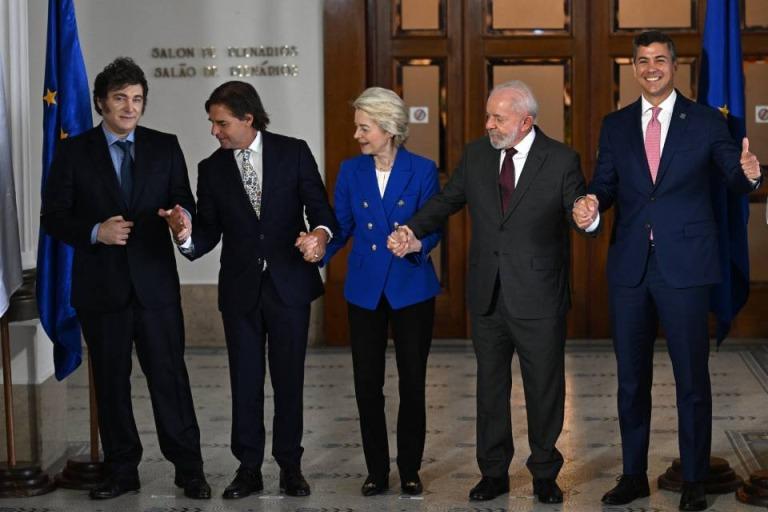
As South America becomes an increasingly pivotal battleground for global trade dynamics, Paraguay finds itself at the center of a controversial diplomatic maneuver that could reshape relations between China and the continent. With its strategic veto power in key regional organizations, Paraguay emerges as a significant player in negotiations that could redefine China’s trade ambitions in South America. Amid rising tensions and shifting alliances, the implications of Paraguay’s position extend beyond its borders, potentially affecting the landscape of trade partnerships, investment flows, and economic policies throughout the region. This article examines the intricate interplay of power and influence at play as Paraguay navigates its role, and how its decisions could fundamentally alter China’s footprint in South America.
Paraguay’s Strategic Position: Implications for China’s Trade Expansion in South America
Paraguay’s geographic and economic landscape positions it as a pivotal player in the dynamics of South American trade, particularly in relation to China’s ambitious expansion plans. Historically, the country has enjoyed a strategic agricultural advantage with products such as soybeans and beef, which have attracted foreign investment. Additionally, Paraguay’s membership in MERCOSUR, the South American trade bloc, allows it to serve as a conduit for Chinese goods and services, enabling easier access to neighboring markets throughout the continent. This potential for increased trade not only enhances Paraguay’s economic clout but also provides China with a significant foothold in the region, further aligning with its Belt and Road Initiative goals.
The implications of this strategic positioning are multifaceted. Firstly, increased bilateral cooperation can lead to enhanced infrastructure development, with Chinese investments potentially transforming Paraguay’s transport and logistics sectors. Secondly, Paraguay’s political landscape, marked by its unique veto power within MERCOSUR, gives it leverage in negotiations, particularly concerning trade agreements with China. This could allow Paraguay to set favorable terms that cater both to its own interests and to China’s broader economic aspirations. In summary, as China’s influence grows, Paraguay stands at a crossroads that could redefine trade relations across South America, positioning itself as a central player in this evolving economic narrative.
Assessing the Risks: How Paraguay’s Veto Could Challenge China’s Economic Ambitions
Paraguay’s recent decision to veto key agreements related to China’s Belt and Road Initiative has sent shockwaves through South America, casting a shadow over the region’s intricate trade dynamics. This move underscores Paraguay’s strategic position as a gatekeeper in a landscape increasingly dominated by Chinese economic influence. Among the implications of this unprecedented veto are:
- Stalled Infrastructure Projects: Potential delays in the execution of vital infrastructure initiatives aimed at boosting trade connectivity.
- Regional Alliances in Flux: A reconfiguration of alliances, as countries may reconsider their stances in light of Paraguay’s assertiveness.
- Impact on Investment Climate: Diminished confidence among Chinese investors looking to penetrate the Paraguayan market.
Furthermore, as Brazil and Argentina inch closer to embracing Chinese partnerships, Paraguay’s veto could serve as a critical counterbalance, challenging Beijing’s narrative of unassailable economic outreach. The essential stakes include:
| Key Factors | Potential Outcomes |
|---|---|
| Chinese Dependence | Increased pressure on other South American nations to reassess their economic ties. |
| Paraguayan Sovereignty | A shift toward self-determined economic policies that prioritize national interests. |
| Trade Relations | New trade agreements with non-Chinese partners may emerge in response to these tensions. |
Navigating Diplomatic Waters: Recommendations for China to Strengthen Ties with Paraguay
To strengthen its ties with Paraguay, China should consider a multifaceted approach that emphasizes economic cooperation, cultural exchange, and diplomatic engagement. Enhancing trade relations could be pivotal, especially in sectors where Paraguay holds a competitive advantage, such as agriculture and renewable energy. Targeted initiatives might include:
- Increasing imports from Paraguay: Focusing on soybeans, beef, and hydroelectric power.
- Investment in infrastructure: Collaborating on projects that enhance Paraguay’s logistics and transport capabilities.
- Joint ventures: Forming partnerships between Chinese and Paraguayan businesses to spur innovation and economic growth.
Moreover, cultural diplomacy can play a significant role in fostering goodwill and mutual understanding. Initiatives such as academic exchange programs, language courses, and cultural exhibitions would build bridges between the two nations. Additionally, engaging regional organizations like Mercosur can help China position itself favorably within South America’s broader economic framework. By actively participating in regional dialogues and respecting Paraguay’s sovereign aspirations, China can enhance its image as a respectful and cooperative global player.
The Way Forward
As Paraguay asserts its diplomatic influence through strategic veto power, the dynamics of trade between China and South America are poised for a significant transformation. The nation’s decision to align its policies with broader geopolitical interests not only underscores its pivotal role within the region but also highlights the intricate balance of power at play in international trade relations. With Paraguay positioned at the intersection of historical alliances and emerging economic partnerships, the implications of its choices will resonate beyond its borders, shaping the landscape of Sino-South American relations for years to come. As the world watches closely, the unfolding narrative promises to redefine trade routes, investment strategies, and power dynamics within the ever-evolving context of global commerce.











