
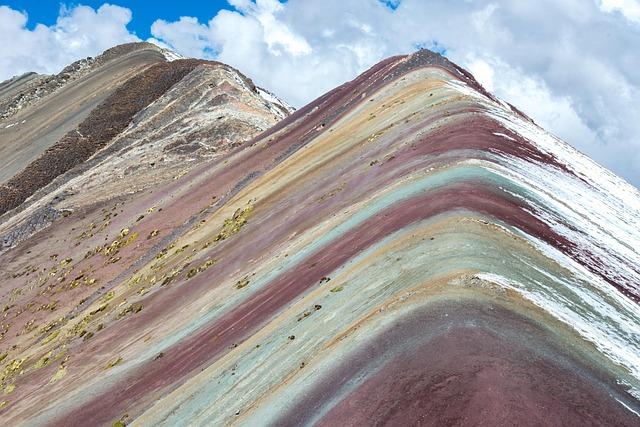
Unveiling the Andes: An In-Depth Look at Earth’s Majestic Mountain Range
The Andes Mountains, a formidable spine stretching over 4,300 miles along the western edge of South America, stand as one of the planet’s longest and most diverse mountain ranges. Renowned for their breathtaking landscapes, unique ecosystems, and rich cultural significance, the Andes are not just a natural marvel; they are also a focal point of geological activity, primarily shaped by the forces of tectonic plate movement. In this comprehensive article, we delve into the definition of the Andes, explore detailed maps to chart their course, examine the geological underpinnings at the plate boundary, and pinpoint their strategic location on the globe. Join us as we uncover the historical, environmental, and scientific narratives woven into the fabric of this iconic range that continues to captivate adventurers, researchers, and nature enthusiasts alike.
Understanding the Geographical Significance of the Andes Mountains
The Andes Mountains stand as a colossal natural barrier stretching over 4,300 miles along the western edge of South America, fundamentally influencing the continent’s geography and climate. This extensive mountain range not only hosts the highest peaks outside Asia, such as Aconcagua, but it also varies dramatically in its ecosystems, ranging from tropical rainforests on the eastern slopes to arid deserts in the rain shadow. Such geographical diversity nurtures a plethora of unique flora and fauna, making the Andes one of the most biodiverse regions on Earth. Furthermore, the mountains play a critical role in shaping local climate patterns, leading to significant agricultural implications for the surrounding regions.
When examining the plate tectonics of the Andes, it becomes evident that this monumental range is located at the convergence of the Nazca and South American tectonic plates. This ongoing collision gives rise to frequent seismic activity and volcanic formations, contributing to the region’s geologically active nature. Additionally, the Andes serve as a vital watershed, feeding major river systems such as the Amazon and the Paraná, which are crucial for both human settlement and ecological balance. Key geographical features of the Andes include:
- Aconcagua: The highest peak in the range and South America.
- Altiplano: A high plateau nestled between the eastern and western Andes.
- Atacama Desert: A stark desert located on the western slope, known as one of the driest places on Earth.
Insights into Plate Boundaries and Geological Activity in the Andes
The Andes Mountains, stretching over 7,000 kilometers along the western edge of South America, showcase the dynamic interactions between tectonic plates that define the region’s geological landscape. The primary boundary responsible for shaping this mighty range is the convergent boundary where the Nazca Plate dives beneath the South American Plate. This ongoing subduction process results in intense seismic activity, producing earthquakes and volcanic eruptions that significantly influence the Andean topography. The consequences of these tectonic interactions are profound, contributing to the elevation of peaks, the formation of deep valleys, and the rich mineral resources found across the mountainous terrain.
In addition to the geological marvels, this area serves as a natural laboratory for studying the effects of plate tectonics on biodiversity and climate. The altitudinal zonation, influenced by the mountains’ height and geographical location, creates distinct ecosystems. Among the key features influenced by the geological activity are:
- Active Volcanoes: Such as Cotopaxi and Pichincha.
- Earthquake Zones: Notably frequent in regions like Chile and Peru.
- Unique Flora and Fauna: Adapted to varying altitudes and climates.
| Geological Feature | Location | Significance |
|---|---|---|
| Mount Aconcagua | Argentina | Highest peak in South America |
| Atacama Desert | Chile | One of the driest places on Earth |
| Lake Titicaca | Bolivia/Peru | Highest navigable lake in the world |
Navigating the Heart of South America: A Guide to Exploring the Andes
The Andes, stretching over 7,000 km along the western edge of South America, are more than just a geographical feature; they are a tapestry of cultures, ecosystems, and adventures waiting to be explored. Travelers can traverse this majestic mountain range, discovering vibrant indigenous cultures, breathtaking landscapes, and thrilling outdoor activities. Key highlights to explore include:
- Machu Picchu – The iconic Incan citadel that draws thousands of visitors annually.
- Lake Titicaca – The highest navigable lake in the world, where you can immerse in local traditions.
- Torres del Paine National Park – A paradise for hikers, offering stunning glacial lakes and wildlife.
- Colca Canyon – One of the deepest canyons on Earth, ideal for spotting Andean condors.
Hiking opportunities abound, from the challenging Inca Trail to more family-friendly routes, ensuring every adventurer finds their path. For those interested in a deeper understanding of the region’s geology, the Andes are a product of active plate tectonics, formed by the subduction of the Nazca and South American plates. This dynamic interaction has created not only dramatic mountain peaks but also fertile valleys and diverse ecosystems. Here’s a brief overview of some vital facts:
| Feature | Description |
|---|---|
| Highest Peak | Aconcagua (6,961 m) |
| Countries | Argentina, Chile, Peru, Bolivia, Ecuador, Colombia, Venezuela |
| Longest Mountain Range | Yes, in the world |
The Conclusion
In conclusion, the Andes Mountains stand as a formidable testament to the dynamic nature of our planet, shaping not only the geography of South America but also influencing the culture, economy, and environment of the regions they span. As the longest continental mountain range in the world, their significance is multifaceted, straddling the boundaries between geological marvel and ecological resource. Understanding their definition, map location, and role within the context of plate tectonics allows us to appreciate the Andes in a broader framework. As researchers continue to study this majestic range, the Andes will undoubtedly remain a focal point for exploration and discovery, revealing more about Earth’s complex geological history and its ongoing transformation. For those looking to delve deeper into the intricate world of the Andes, Britannica serves as a reliable resource, offering comprehensive insights that elevate our understanding of this natural wonder.











