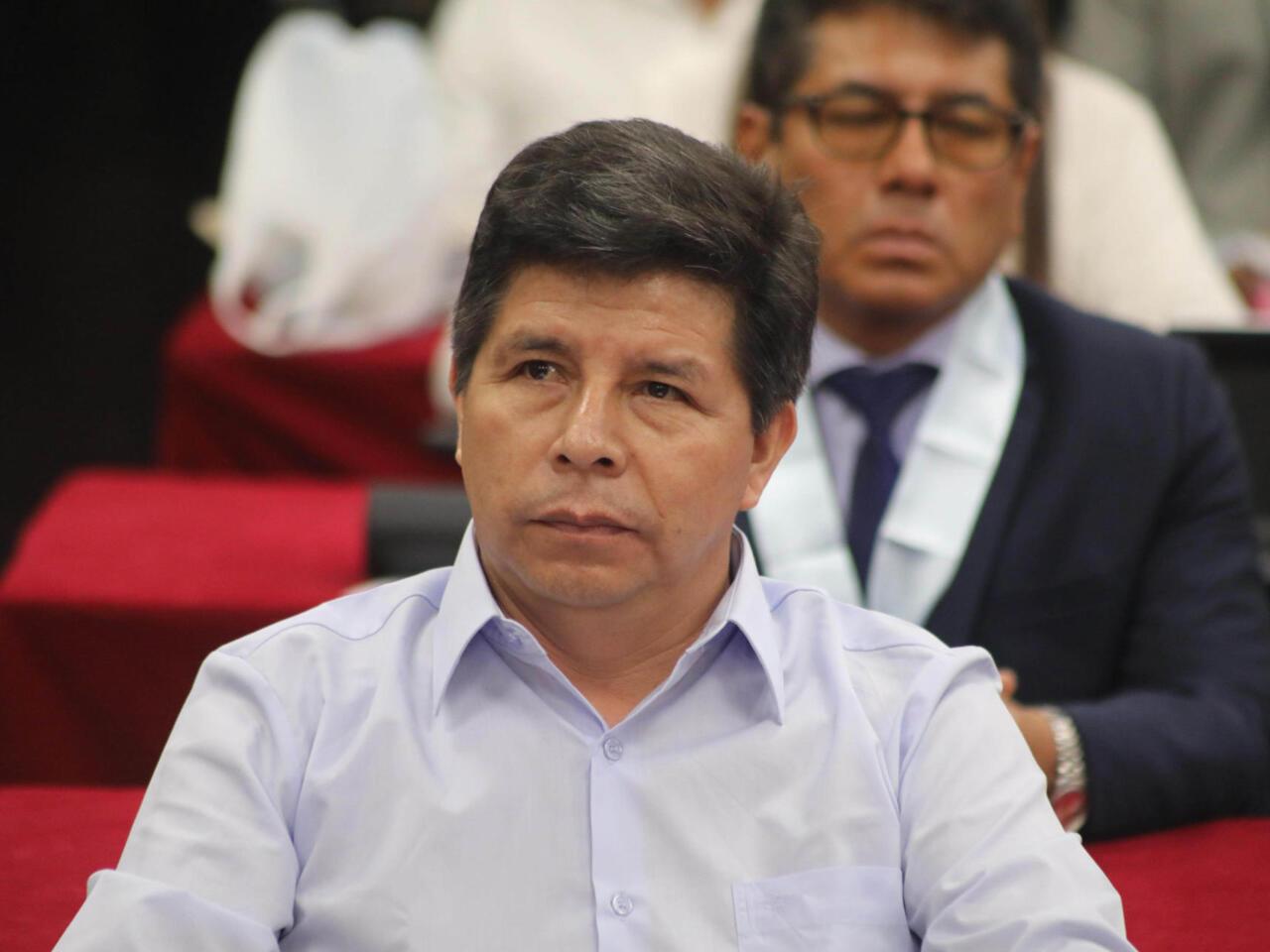
Pedro Castillo: A Journey Through Political Turmoil and Resilience in Peru
In the dynamic landscape of Latin American politics, few figures have captured global attention quite like Pedro Castillo, the former president of Peru. Rising from humble beginnings as a schoolteacher and union leader, Castillo’s meteoric ascent to the highest office in the nation in 2021 symbolized a wave of change sought by many Peruvians disillusioned with traditional political elites. However, his presidency was marred by controversy and significant challenges, including corruption allegations and political instability that ultimately led to his impeachment.
In this article, we delve into Castillo’s life, tracing his roots, examining his policies, and analyzing the broader implications of his presidency on Peru’s political climate. As the nation grapples with the fallout of his time in office, understanding Castillo’s legacy is crucial for grasping the intricate tapestry of contemporary Peruvian society and governance.
Pedro Castillo’s Journey from Rural Teacher to Presidency
Pedro Castillo’s ascent from a humble rural school teacher to the presidency of Peru is a remarkable story of resilience and ambition. Born in the impoverished Andean region of Cajamarca, he dedicated over two decades to educating children in remote villages, where he often advocated for better working conditions and rights for teachers. Driven by the struggles faced by his students and their families, he evolved from an educator into a political figure, ultimately leading him to run for president in 2021 as a representative of the left-wing party, Peru Libre. His grassroots campaign resonated with voters who felt marginalized, emphasizing themes of social justice, educational reform, and rural development.
Castillo’s presidency began amid significant challenges, reflecting the deep divisions within Peruvian society. His proposals included ambitious reforms aimed at reducing inequality and enhancing public services, prioritizing the needs of rural citizens who had long been overlooked. Yet, his administration faced formidable opposition from various political factions and ongoing protests demanding change. Key facets of his governance included:
- Educational Reform: A focus on increasing educational funding and accessibility.
- Agrarian Policies: Promoting agrarian reform to empower farmers.
- Public Healthcare Improvements: Expanding healthcare access in rural areas.
Analyzing the Challenges and Controversies of Castillo’s Administration
Pedro Castillo’s presidency has been marked by a series of challenges that have called into question his leadership and political acumen. His administration faced significant obstacles, including widespread protests, economic instability, and a fractured political landscape. Tensions escalated with various stakeholders, resulting in a tenuous relationship with Congress and frequent clashes over legislation. Key issues that emerged during his tenure include:
- Unemployment and Inflation: The economic fallout from the COVID-19 pandemic exacerbated existing problems, leading to higher rates of unemployment and rising inflation.
- Political Polarization: Castillo’s leftist policies polarized the electorate and deepened divisions within Parliament, making consensus difficult.
- Corruption Accusations: His government faced allegations of corruption, which undermined public trust and led to calls for investigations.
Controversies surrounding Castillo’s administration were fueled by his unconventional approach to governance, which often prioritized populist rhetoric over pragmatic policy-making. This approach not only alienated moderate voters but also weakened his political support within the ruling party. Key points of contention included:
| Controversy | Implications |
|---|---|
| Dismissal of Ministers | Frequent cabinet reshuffles created instability and raised concerns about the direction of government. |
| Education Policy | Reforms met with resistance from teachers’ unions and parents, leading to widespread strikes. |
| Foreign Relations | Strained ties with traditional allies due to perceived ideological shifts in policy. |
Future Directions: Recommendations for Political Stability and Economic Growth
To foster political stability and stimulate economic growth, a multi-faceted approach is essential. Engagement with diverse political factions is crucial to create a more inclusive governance structure that accommodates varying interests and perspectives. This can be achieved through the following strategies:
- Dialogue and Negotiation: Establish regular forums for constructive dialogue between government leaders and opposition parties.
- Decentralization: Empower local governments to make decisions, allowing for more tailored and effective responses to regional needs.
- Judicial Reform: Strengthen the independence of the judiciary to enhance the rule of law, ensuring fair treatment of all political actors.
Moreover, nurturing an environment conducive to economic development requires investments in key sectors. Policymakers should prioritize the following initiatives:
| Sector | Recommendation |
|---|---|
| Agriculture | Implement sustainable practices and modern technologies to boost productivity. |
| Tourism | Enhance infrastructure and marketing efforts to attract international visitors. |
| Technology | Invest in digital education and support startups to foster innovation. |
By adopting these recommendations, the nation can create a robust foundation for enduring political stability and sustainable economic progress, benefitting all sectors of society.
In Retrospect
In conclusion, Pedro Castillo’s journey from humble beginnings to the presidency of Peru is a testament to the complex interplay of social issues, political power, and public sentiment in contemporary Latin America. His tenure has been marked by significant challenges, including political polarization, economic strife, and deep-rooted corruption that have characterized the nation’s landscape for decades. As Castillo continues to navigate these turbulent waters, his presidency raises critical questions about governance, accountability, and the aspirations of a population eager for change. The upcoming months will be pivotal for Castillo as he seeks to solidify his administration’s legacy in a country yearning for stability and progress. As the situation evolves, all eyes will remain on Peru and its leader, whose decisions will surely impact the trajectory of the nation for years to come.