
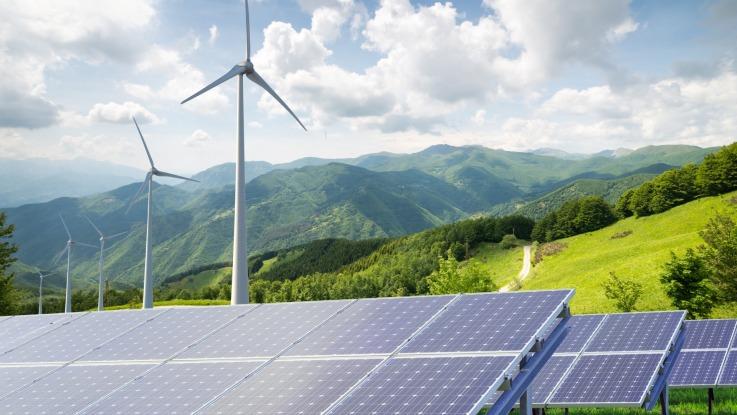
Renewable Energy in Latin America: Focus on Peru
As the global demand for clean and sustainable energy continues to surge, Latin America stands at the forefront of this transformative movement. Among the region’s torchbearers is Peru, a country poised to harness its rich natural resources to propel its renewable energy ambitions. With vast expanses of sun-drenched deserts and powerful river systems, Peru has made significant strides in diversifying its energy portfolio beyond traditional fossil fuels. This article, in collaboration with Norton Rose Fulbright, explores the current landscape of renewable energy in Peru, highlighting key projects, legislative frameworks, and the challenges and opportunities that lie ahead. As the country navigates its path towards a greener future, its experiences may serve as a model for other nations in Latin America and beyond.
Exploring Peru’s Renewable Energy Potential and Policy Landscape
Peru stands at a pivotal crossroads in harnessing its renewable energy potential, driven by an abundance of natural resources, a rapidly evolving energy policy framework, and a global shift toward sustainable energy sources. The nation boasts ample opportunities for solar, wind, hydro, and geothermal energy generation. Notably, the Andean region offers breathtaking landscapes that are ripe for hydropower projects, while the coastal areas see significant potential for wind energy production. Additionally, the high altitudes of the Andes provide ideal conditions for solar energy, making Peru a promising player in Latin America’s renewable energy landscape.
The Peruvian government is committed to promoting renewable energy through a series of strategic policies aimed at increasing reliance on clean energy sources. Key components of this evolving landscape include:
- Legislation and Incentives: The government has implemented feed-in tariffs, tax exemptions, and streamlined permitting processes to attract investments.
- Investment Opportunities: Foreign and domestic investors are encouraged to participate in renewable energy projects, particularly in solar and wind sectors.
- Public-Private Partnerships: Collaborations between the government and private entities are becoming increasingly common to accelerate infrastructure development.
| Type of Energy | Current Capacity (MW) | Potential Capacity (MW) |
|---|---|---|
| Hydropower | 3,000 | 20,000+ |
| Wind | 800 | 5,000+ |
| Solar | 200 | 12,000+ |
| Geothermal | 50 | 1,000+ |
Advancements in Solar and Wind Energy: Opportunities for Investment
Peru stands at the forefront of renewable energy development in Latin America, particularly in solar and wind sectors. With ample natural resources and increasing governmental support, the landscape for investment is ripe. The government’s commitment to generating 60% of its energy from renewable sources by 2025 has spurred interest among investors. Key opportunities include:
- Solar Farms: Vast desert regions provide ideal conditions for solar installations.
- Wind Power: The coastal regions offer consistent wind patterns, suitable for turbine deployment.
- Technology Transfer: Collaborations with international firms can enhance local capabilities.
Recent studies indicate that the investment landscape is becoming increasingly attractive due to lower operational costs and improved technology. The estimated growth in the sector fosters strategic partnerships aimed at capitalizing on government incentives. According to the latest data, investment in renewable energy in Peru is projected to reach $6 billion by 2025, as depicted in the table below:
| Year | Projected Investment (in billions) | Growth Rate (%) |
|---|---|---|
| 2023 | $3.5 | 25% |
| 2024 | $4.5 | 29% |
| 2025 | $6.0 | 33% |
Navigating Regulatory Challenges: Strategic Recommendations for Stakeholders
As the renewable energy sector in Peru continues to evolve, stakeholders must remain proactive in addressing regulatory challenges that could impede growth. Key strategies include fostering collaboration between public and private sectors, ensuring clarity in regulatory frameworks, and promoting transparency in decision-making processes. Engaging with local communities and aligning projects with national energy goals can also facilitate smoother approvals. Regular consultation with regulatory bodies is vital, as it empowers stakeholders to anticipate policy shifts and adapt their strategies accordingly.
Moreover, the adoption of innovative financing mechanisms, such as public-private partnerships (PPPs) and green bonds, can help mitigate investment risks associated with regulatory uncertainties. Stakeholders should consider the following recommendations to further navigate the complex landscape:
- Develop a comprehensive understanding of local regulations and compliance requirements.
- Invest in lobbying efforts to advocate for supportive policy frameworks.
- Build strong relationships with government officials and regulatory agencies.
- Leverage technology for efficient project management and reporting.
- Conduct regular risk assessments to stay ahead of potential regulatory changes.
| Challenge | Recommended Approach |
|---|---|
| Regulatory Compliance | Regularly update legal frameworks and engage expert consultants. |
| Community Opposition | Implement stakeholder engagement strategies and transparency initiatives. |
| Investment Risks | Utilize diversified funding sources and ensure clear risk mitigation plans. |
Closing Remarks
In conclusion, Peru stands at a pivotal moment in its renewable energy journey, harnessing its abundant natural resources to create a sustainable and resilient energy future. As highlighted in this analysis, the country’s commitment to clean energy not only addresses pressing environmental concerns but also propels economic growth and social development. With a combination of government initiatives, private investment, and international cooperation, Peru is poised to become a leader in the renewable energy sector in Latin America. As the world increasingly shifts towards sustainable practices, the lessons learned and successes achieved in Peru will serve as a blueprint for others in the region. The path forward, though fraught with challenges, holds tremendous promise for a sustainable energy landscape in Latin America.









