
Introduction
In a troubling development, Indigenous communities in Peru have raised alarms over the reported activities of Comando Vermelho, a notorious Brazilian criminal organization known for its deep-rooted involvement in drug trafficking and organized crime. Concerns are mounting as members of these communities describe a growing presence of the group in their regions, exacerbating fears of violence and instability. The intersection of Indigenous rights and security issues is now at the forefront of discussions, prompting a closer examination of how transnational crime is infiltrating remote areas of Peru and impacting the lives of vulnerable populations. As authorities grapple with these revelations, the implications for both governance and Indigenous autonomy are profound, underscoring the urgent need for a comprehensive response to this emerging threat.
Indigenous Communities Raise Alarm Over Comando Vermelho’s Presence in Peru
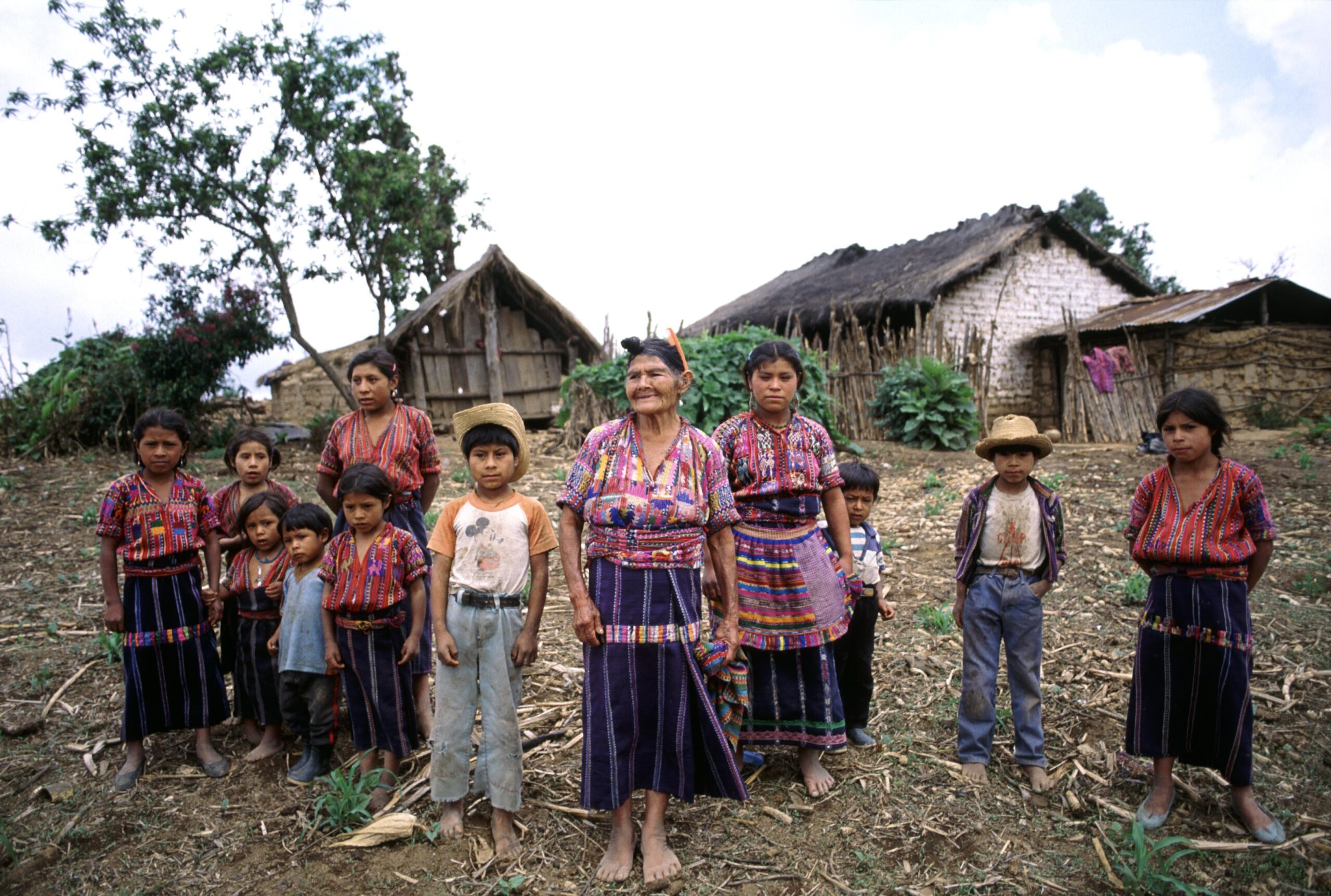
Indigenous communities in Peru have voiced significant concerns regarding the increasing presence of the Brazilian crime syndicate, Comando Vermelho. Local leaders report that the group is not only engaging in drug trafficking, but also exploiting natural resources within their territories. The encroachment of criminal activities has sparked fears of violence and environmental degradation, leading to urgent calls for government intervention to protect traditional lands. This situation places enormous pressure on already marginalized communities, as they grapple with the implications of this organized crime group’s expansion into their regions.
In response to these alarming developments, several Indigenous organizations have mobilized to raise awareness and seek support. They emphasize the need for robust strategies to combat the influence of Comando Vermelho and safeguard their rights and territories. The following points highlight the key issues raised during recent forums held by Indigenous leaders:
- Environmental Protection: Urging for stricter laws to prevent illegal mining and deforestation.
- Community Safety: Demanding government action to enhance security for vulnerable populations.
- Autonomy Rights: Advocating for recognition of land rights and self-determination.
Impacts on Local Security and Cultural Heritage Demand Urgent Attention
The infiltration of Comando Vermelho into indigenous territories in Peru poses significant risks to the local security landscape. With their notorious reputation for violence and drug trafficking, the group threatens to undermine the stability of communities that have long struggled against external pressures. Evidence suggests that their operations lead to increased violence and an atmosphere of fear among the indigenous populations, which have historically faced marginalization and exploitation. Local leaders now express urgent concerns over the escalated clashes with law enforcement and rival gangs that jeopardize their safety and well-being.
Moreover, the presence of organized crime groups like Comando Vermelho endangers the rich cultural heritage of these communities. As conflicts arise, there is a looming risk of irreversible damage to both tangible and intangible aspects of indigenous cultures. The demand for prompt intervention is underscored by the potential loss of traditional practices, languages, and the very identity that defines these indigenous groups. It is crucial for authorities to recognize and address these intertwined issues to foster a secure environment that allows for the preservation of cultural heritage in the face of growing threats.
Recommendations for Government Action and International Support to Protect Indigenous Rights
The alarming claims regarding the presence of Comando Vermelho in Peru emphasize an urgent need for concerted action to safeguard the rights and territories of Indigenous communities. Government initiatives should focus on establishing a robust legal framework that recognizes and enforces Indigenous land rights while integrating traditional ecological knowledge into national land management policies. Key measures could include:
- Strengthening Indigenous land tenure policies: Ensuring that Indigenous communities have secure rights to their ancestral lands.
- Enhancing law enforcement: Increasing resources to combat illegal activities that threaten Indigenous territories.
- Promoting community engagement: Involving Indigenous leaders in decision-making processes related to land use and resource extraction.
International support will also play a crucial role in this protective framework. Calls for collaboration among governments, NGOs, and international bodies must result in tangible assistance for affected communities. Efforts should include:
- Capacity building: Providing training and resources for Indigenous groups to advocate for their rights and manage their lands effectively.
- Funding and resource allocation: Facilitating direct funding to Indigenous-led initiatives aimed at sustainable development and environmental protection.
- Promotion of awareness and education: Campaigning globally to highlight the challenges faced by Indigenous communities in Peru and fostering a supportive international community.
Key Takeaways
In conclusion, the presence of Comando Vermelho in Peru, as reported by Indigenous communities, underscores the increasing complexities of security and governance in the region. This alarming development not only raises concerns about the safety and autonomy of vulnerable populations but also highlights the need for a coordinated response from both local authorities and national governments. As these communities continue to assert their experiences and demands for protection, the international community must remain vigilant and responsive to ensure that their rights and voices are preserved. The situation in Peru serves as a stark reminder of the ongoing challenges faced by Indigenous peoples globally, further emphasizing the necessity for comprehensive strategies that address both crime and the socioeconomic factors that allow such organizations to thrive.









