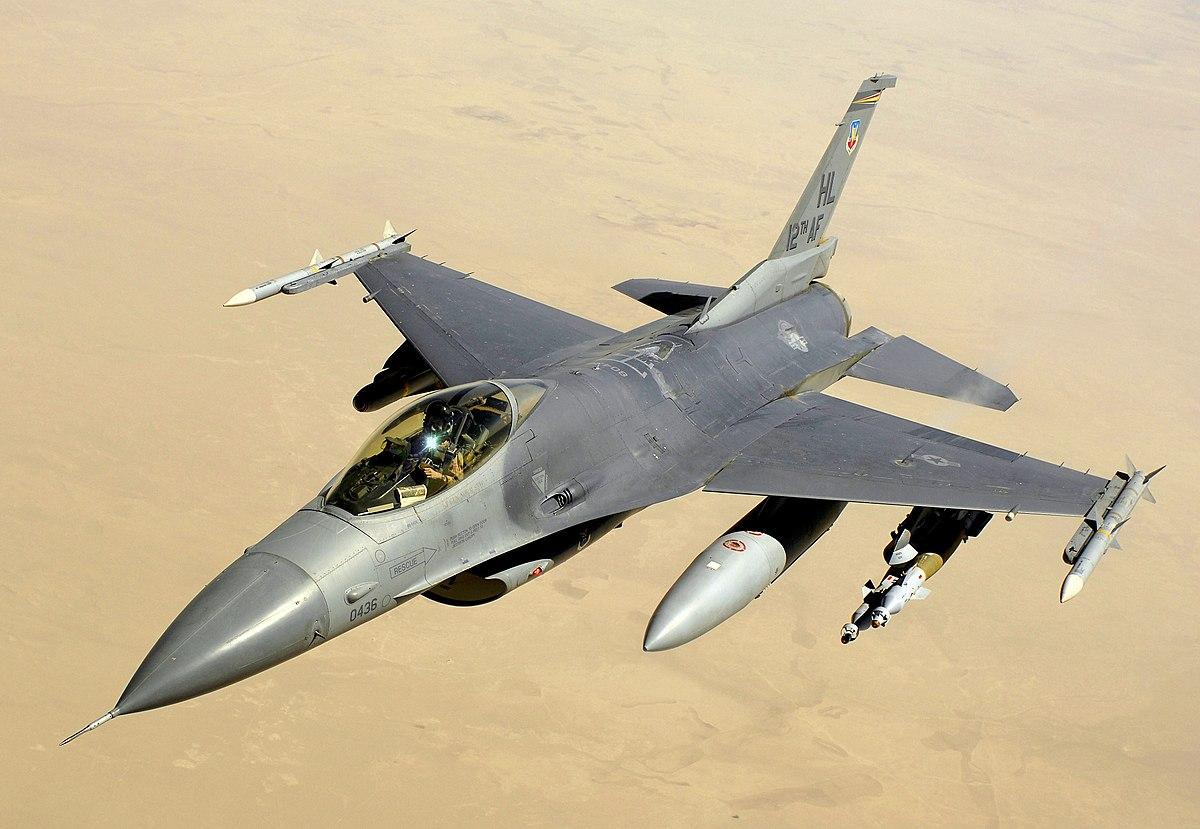
In a significant move aimed at bolstering regional security and military cooperation, the United States has officially approved the sale of F-16 Fighting Falcon aircraft to Peru for a staggering $3.4 billion. This decision, announced by the U.S. State Department, underscores the growing partnership between the two nations and reflects America’s commitment to enhancing the capabilities of its allies in South America. As Peru faces various security challenges, this acquisition is expected to modernize its air force and strengthen its defense posture. The deal, which includes advanced technology and support systems, not only marks a pivotal moment in U.S.-Peru relations but also highlights the strategic significance of military sales in promoting stability within the region.
US Increases Military Ties with Peru through Major F-16 Jet Sale
The recent approval of a substantial arms deal between the United States and Peru signifies a deepening of military collaboration aimed at bolstering regional security. The transaction, valued at $3.4 billion, involves the acquisition of 24 F-16 Fighting Falcons, highly sophisticated multirole fighters that enhance Peru’s capability to patrol its airspace and combat illicit activities. This strategic move comes at a time when both nations are emphasizing the importance of strong defense partnerships to address mutual threats and enhance operational readiness.
In addition to the aircraft themselves, the deal encompasses a wide range of associated support and technology upgrades, ensuring that the Peruvian Air Force can operate these jets effectively. Key components of the sale include:
- Maintenance and training programs for Peruvian pilots and support crews.
- Advanced avionics systems to improve combat effectiveness.
- Air-to-air and air-to-ground munitions to facilitate diverse mission profiles.
This agreement not only signifies a stepping stone in Peru’s defense capabilities but also highlights the United States’ commitment to enhancing security cooperation within South America. By fortifying military ties with allies such as Peru, the U.S. aims to establish a network of stable partnerships in a region increasingly challenged by transnational threats.
Strategic Implications of the F-16 Deal for Regional Security in South America
The recent approval of a $3.4 billion deal for F-16 Fighting Falcons to Peru signals a significant shift in the regional security dynamics of South America. As Peru enhances its air capability, neighboring countries may respond with military enhancements of their own, spurring an arms race that could destabilize the already delicate balance of power in the region. Moreover, this deal underscores the growing military cooperation between South America and the United States, reflecting a strategic partnership aimed at countering emerging threats such as drug trafficking and terrorism. Enhanced military capacity in Peru could serve as a deterrent against potential aggression and enhance its ability to engage in multinational security operations.
Economic factors also play a crucial role in this development. The infusion of advanced military technology not only strengthens Peru’s defense posture but can also stimulate local economies through defense-related contracts and employment opportunities. Additionally, regional alliances may evolve as countries reassess their military strategies in light of Peru’s new capabilities. Key implications to consider include:
- Increased Defense Spending: Neighboring nations may be compelled to boost their military budgets and procure advanced weaponry.
- Shift in Diplomatic Relations: Countries may strengthen alliances or form new coalitions in response to Peru’s enhanced air power.
- Focus on Technology Transfer: Peru may seek to develop internal capabilities by incorporating technology transfer agreements with the U.S.
| Country | Current Fighter Jet Inventory | Potential Response Actions |
|---|---|---|
| Colombia | 16 A-29 Super Tucano | Upgrade air fleet, explore foreign acquisitions |
| Chile | F-16 Fighting Falcons | Modernization programs for existing jets |
| Brazil | Gripen Fighters | Strengthening regional defense collaborations |
Expert Analysis on the Economic and Political Impact of Increased Defense Spending in Peru
The recent approval of a $3.4 billion arms sale involving F-16 Fighting Falcons signifies a pivotal shift in Peru’s defense strategy, with far-reaching consequences on both the economic and political landscape of the country. Increased defense spending is expected to bolster Peru’s military capabilities, particularly in addressing transnational threats such as drug trafficking and organized crime. This move may prompt neighboring nations to reassess their own military preparedness, leading to a regional arms race. Furthermore, the partnership with the United States can enhance diplomatic relations, potentially opening avenues for additional investments and support in other sectors.
However, the implications of elevated military expenditure cannot be overlooked, particularly regarding domestic priorities. Key concerns include:
- Potential diversion of funds from critical public services such as education and healthcare.
- Challenges in justifying the need for advanced military technology amidst pressing socio-economic issues.
- Public perception and political discourse surrounding the prioritization of defense over welfare initiatives.
In light of these factors, it is crucial for the Peruvian government to strike a balance between enhancing national security and addressing the pressing needs of its citizens. The effectiveness of increased defense investment will largely depend on transparent governance and strategic allocation of resources to ensure both security and social well-being.
Key Takeaways
In conclusion, the recent approval by the U.S. government for a $3.4 billion sale of F-16 Fighting Falcons to Peru underscores the ongoing commitment to strengthening military ties and enhancing regional security in South America. This deal not only marks a significant advancement in Peru’s defense capabilities but also reflects the broader geopolitical dynamics as nations invest in modernizing their armed forces. As both countries work to bolster their partnership, the implications of this sale will likely resonate beyond bilateral relations, influencing the strategic landscape of the region for years to come. The Defense Post will continue to monitor developments related to this significant military transaction and its impact on regional stability.