
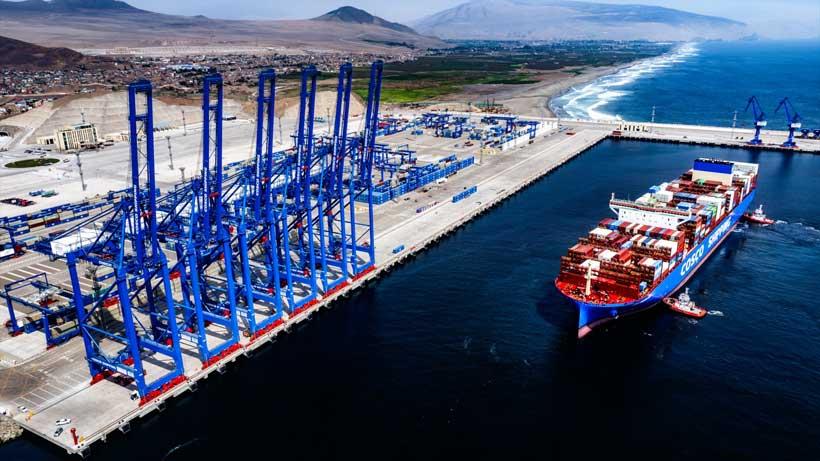
In a significant development for international trade, Peru has unveiled its newly constructed Chancay Port, heralding a new trade route that connects China directly with Latin America. This strategic port, situated just north of the capital city, Lima, promises to streamline the flow of goods between the two regions, enhancing economic ties and fostering growth in bilateral trade. With its state-of-the-art facilities and capacity to accommodate large vessels, the Chancay Port is poised to become a key hub in the global supply chain, offering an efficient alternative for companies looking to penetrate the Latin American market. As governments and businesses alike look to leverage this new infrastructure, the implications of this trade route extend beyond commerce, potentially reshaping regional dynamics and bolstering economic partnerships. This article explores the significance of Chancay Port’s inauguration and its anticipated impact on trade between China and Latin America.
Peru’s Chancay Port Revolutionizes Trade Dynamics between China and Latin America
The inauguration of Chancay Port marks a significant milestone in Peru’s economic landscape, heralding a new era of trade that strengthens ties between the Asia-Pacific region and Latin America. This strategically located port is set to facilitate the seamless flow of goods between China and various countries in Latin America, reshaping traditional logistics routes and positioning Peru as a key player in international trade. With a projected annual capacity surpassing 1.5 million containers, the port is anticipated to streamline supply chains, converting the often prolonged transit times into more efficient shipping solutions.
According to trade experts, the port’s advanced infrastructure will not only benefit the Peruvian economy but also enhance connectivity for neighboring countries such as Colombia, Brazil, and Chile. Key advantages of the Chancay Port include:
- Reduced shipping times leading to faster delivery of goods.
- Cost-effective logistics opening doors for smaller businesses.
- Direct access to Asian markets enhancing export opportunities.
The ripple effects of this project are expected to boost local industries, create jobs, and foster a collaborative trade environment that enhances competitiveness across the region. A table below summarizes the projected impact of Chancay Port on trade flow:
| Aspect | Impact |
|---|---|
| Container Capacity | 1.5 million annually |
| Projected Job Creation | Over 15,000 positions |
| Reduction in Shipping Time | Up to 30% |
Economic Implications for Regional Trade Partners and Future Prospects
The opening of Peru’s Chancay Port marks a transformative moment for regional trade dynamics between Latin America and Asia, particularly with China. This new trade route is poised to enhance economic interactions by providing efficient logistics solutions, thus reducing shipping times for goods. Chancay’s strategic location allows for a significant increase in the volume of trade, enabling countries like Peru, Colombia, and others in the region to export agricultural products and raw materials with greater ease. Consequently, stakeholders should anticipate an increase in foreign direct investments, fostering development across various sectors. As a result, the following implications emerge:
- Increased Trade Volume: Enhanced access to Asian markets may result in a substantial uptick in exports.
- Competitive Advantage: Chancay Port’s efficiency could give regional players an edge over competitors relying on traditional routes.
- Job Creation: New trade facilities and operations are likely to generate employment opportunities in logistics and trade-related sectors.
Looking ahead, the prospects for regional trade partners appear optimistic. By connecting Latin America with one of the world’s largest economies, Chancay Port will likely encourage collaboration among countries to optimize logistics and trade practices. In a rapidly evolving global market, nations will need to adapt to stay competitive. Key areas of focus may include:
- Innovation in Supply Chains: Streamlining processes to accommodate increased trade volumes.
- Infrastructure Investment: Upgrading transport infrastructure to support growing trade needs.
- Strengthening Trade Alliances: Forming partnerships to leverage the advantages offered by Chancay Port.
Navigating New Opportunities: Recommendations for Businesses to Leverage Trade Routes
As the newly opened Chancay Port is poised to significantly enhance trade between China and Latin America, businesses must seize the moment to capitalize on this strategic shift. By leveraging these evolving trade routes, companies can optimize logistics, reduce shipping times, and potentially lower costs. To maximize benefits from the new opportunities presented by Chancay Port, businesses should consider the following strategies:
- Conduct Market Research: Understanding market demands in China and Latin America can inform product targeting and distribution strategies.
- Strengthen Supply Chains: Evaluate and potentially redesign supply chain processes to accommodate quicker transit times and increased capacity.
- Build Partnerships: Collaborate with local stakeholders, including port authorities and logistics providers, to enhance operational efficiency.
- Invest in Technology: Adopt tracking and management systems to gain real-time insights into cargo movements along the new trade routes.
Additionally, a focus on sustainability and environmental responsibility can further enhance brand reputation amidst growing global scrutiny. Companies should evaluate their logistics operations through an ecological lens, ensuring compliance with regulations while minimizing carbon footprints. The table below highlights key considerations for businesses looking to align their strategies with sustainable practices:
| Strategy | Impact |
|---|---|
| Utilize Eco-Friendly Packaging | Reduces waste and communicates brand responsibility. |
| Optimize Transport Modes | Lowers emissions and improves fuel efficiency. |
| Implement Carbon Offset Programs | Mitigates environmental impact and promotes sustainability. |
In Retrospect
In conclusion, the inauguration of Chancay Port marks a significant milestone in enhancing trade connectivity between China and Latin America. This strategic infrastructure not only promises to accelerate the flow of goods and strengthen economic ties but also positions Peru as a pivotal player in regional and global trade networks. As businesses on both sides of the Pacific prepare to leverage this new route, the potential for increased investment and economic growth becomes evident. With China being one of Latin America’s largest trading partners, the implications of Chancay Port’s opening extend beyond borders, fostering a new chapter in international commerce. As we look ahead, the impact of this development will undoubtedly be felt across various sectors, reshaping trade dynamics in the years to come. For more updates on this unfolding story and its effects on regional economies, stay tuned to ColombiaOne.com.









